main

Algonquin College students restore Stittsville school time capsules

Museum studies students are working to preserve the artifacts and the memories inside
Photo: Duncan Roi
Museum studies instructor Desideria Desjardins takes Liam McCrorie and her class through proper cleaning and restoration techniques for the fragile papers.

In 1986, students at Stittsville Public School carefully sealed letters and mementoes in time capsules. Now, nearly four decades later, the contents are being examined, repaired and preserved by Algonquin College museum studies students.

The capsules were buried on school grounds to commemorate the passing of Halley’s Comet, with the plan that they would remain sealed until the comet returns in 2061. But last year, when construction began on the grounds of the former Stittsville Public School, now Frederick Banting Alternative High School, former students came together to recover the capsules.

They were unearthed and displayed at Frederick Banting Alternative High School, with former students and teachers in attendance. Inside were letters, documents, newspaper clippings, class photos, playing cards and other mementoes shedding light on what life was like in 1986’s Stittsville. There were even handwritten notes from students offering advice to future generations, such as “Don’t cut down all the trees” and “Love everyone, don’t fight.”

Instructor Desideria Desjardins works with a student to restore a paper.
Instructor Desideria Desjardins works with a student to restore a paper. Photo credit: Duncan Roi

Much of the contents, however, had deteriorated, with water damage and mould covering many of the items. Algonquin museum studies students are now carefully cleaning, repairing and preserving these mementoes, over a five-week period.

The preservation process is very thorough due to the fragile condition of some of the papers. Preservation steps include dry surface cleaning, washing, and mending rips and tears.

“Right now, they’re in a wide variety of conditions,” said museum studies student Liam McCrorie. “Mine is not too bad, but I have a friend whose paper is literally encrusted in mould.”

“So far, we’ve been trying to get away with just erasing and using dry treatments, like sponges, trying to get rid of the graphite or the lead that’s on there,” said McCrorie. “This week we’re doing the water treatments, so it’s like washing it all off.”

McCrorie said the project has been a great learning opportunity for him and his peers.

“I’ve worked in a museum before, and now this is giving me the knowledge that I didn’t have when I worked there…I think that this is very valuable.”

Instructor Desideria Desjardins said the project is giving her students both practical experience as well as the chance to work with local history.

“We’re doing work for organizations that normally don’t have conservators working for them, and they don’t have the labour to do these kinds of things,” said Desjardins. “It also gives the students a chance to work on actual artifacts, so they get a feel for what they’ll be doing in the future. And it helps preserve history that otherwise wouldn’t survive.”

Normally, museum studies students work on items from the college’s teaching collection, so this is a rare opportunity to handle artifacts from the community.

Museum studies student Kieran Bingham, who was restoring some magazine clippings from the capsule, said the artifacts have given him a sense of what people would have been wearing day-to-day and what they found interesting at the time.

He was also struck by the concept of the letters being preserved in the capsule.

“Just the idea that someone put this letter away, having handwritten it themselves, and I was the first one who got to open the actual letter itself and see it,” said Bingham. “It really made me reflect on how different the world was when this was put in the ground versus now.”
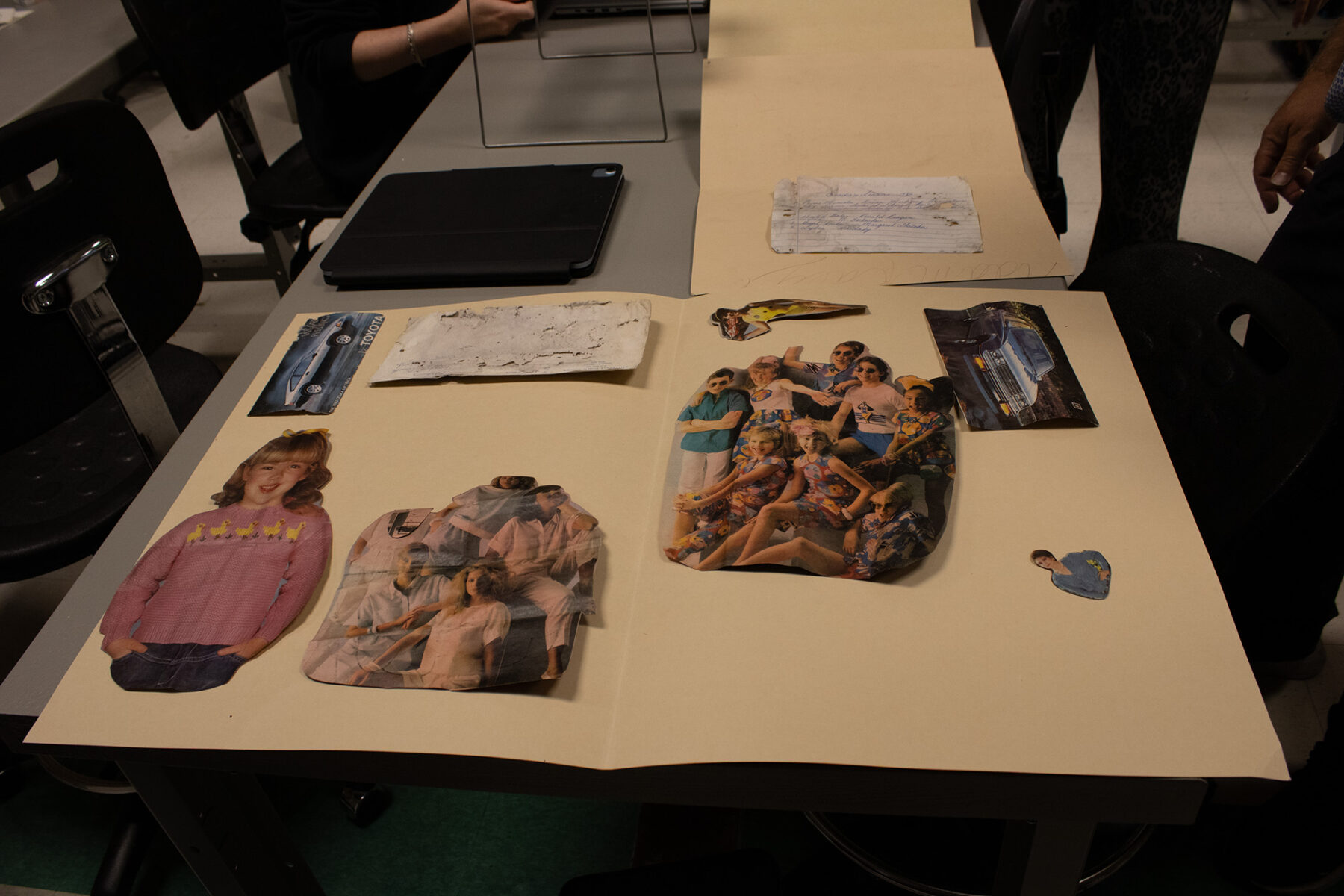
Magazine clippings from the time capsule.
Magazine clippings from the time capsule. Photo credit: Duncan Roi

Kathryn O’Malley, another student, described her personal connection to the project.

“I’ve been going to museums since I was six months old,” she said. “I am really loving a lot of the hands-on work that we are doing this semester.”

Among the recovered items are letters from local politicians, notes from former students and staff, and even a letter from former prime minister Brian Mulroney.

The final plan for the restored artifacts is still being determined, but they may eventually be reburied or put on display. Regardless of where they end up, they have offered a profound look into life in Stittsville in 1986 and a meaningful learning experience for museum studies students.


Students encouraged to download security app

The app is designed for student safety in mind as the new term gets rolling
Photo: Jackie Beeston
The front of Security Services near an entrance to A-building.

On Sept. 17, an email was sent to students encouraging them to download an app and to review the school’s security protocols.

The email was sent by the college’s communications department, which included a memo written by Jason Condon, manager of Security and Emergency Services.

The app is called AC Safety Mobile. Its goal is to deliver campus-specific notifications and it contains maps, class locations, security contact information and all emergency protocols.

It also contains the Walk Safe Services features, which students can use to be safely transported from one location to another.

AC Safety Mobile initially launched on Sept 10, 2019, and is available for free on IOS and Android devices. It has over 10,000 downloads on the Google Play Store.

Connor Sunderland, a museum studies student, said he hasn’t installed the app.

“Consider it as something I haven’t done yet,” he said. “I used to live on residence. If I was still there, I would have already downloaded it by now,”

Sunderland values the benefits that would come with having AC Safety Mobile installed

“This is a learning institution where we have a commitment to show up to our classes. They (Algonquin College) have to make a commitment to us to make sure everything runs well. If 99 per cent of the time you spend is on campus, having that extra layer of safety to reach out to if you have any issues is a lot easier,” Sunderland said.

How can the college notify students more effectively?

Peter Tom, a booking and accounting practices student, said students are more attracted to old-fashioned outreach methods. Tom said “posters in common areas, for sure… they grab attention.”

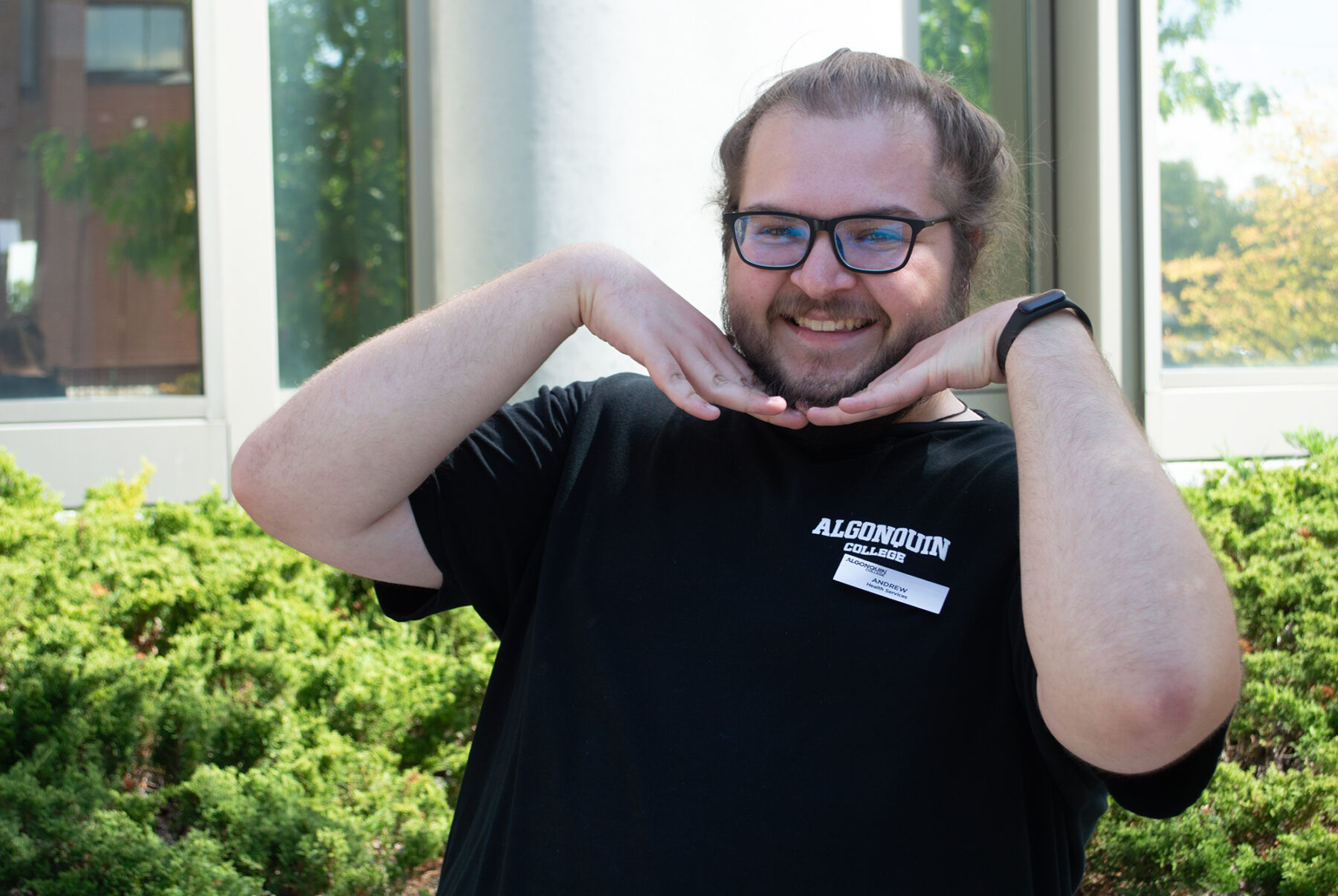
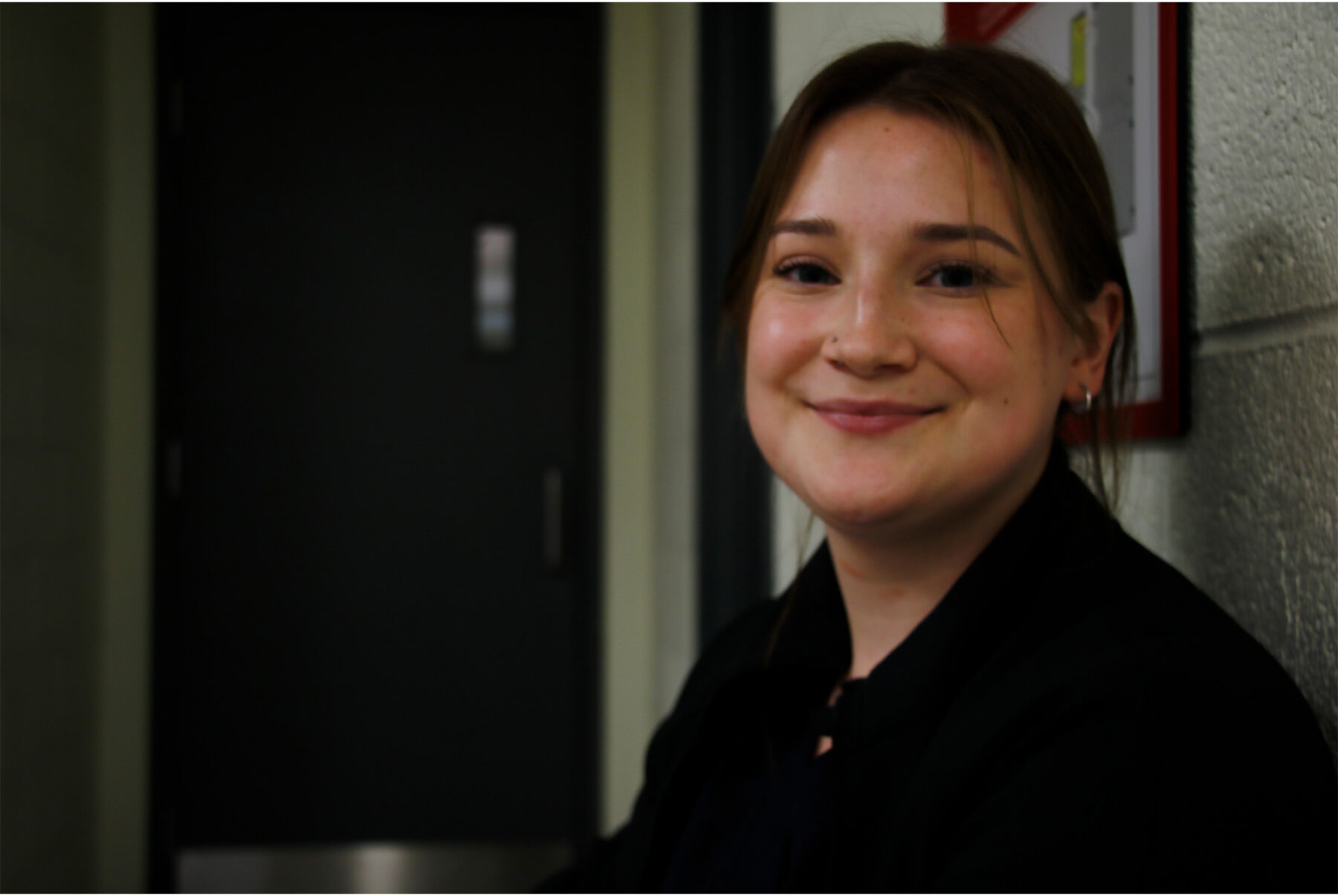
A photograph of Andrew Torsky, a health services receptionist, smiling with his hands near his face after being interviewed for this story
Andrew Torsky, a health services receptionist, smiling with his hands near his face after being interviewed for this story. Photo credit: Jackie Beeston

Andrew Torsky, a health services receptionist, said “orientation is a big part of it (awareness) when you’re dealing with a large enrolment population of first-year students.
“I think that the app should be mentioned in every first-year orientation, to be sure that students are aware of it. I think it’s up to the college to make the students aware of the resources that are available. But if students ultimately aren’t interested, it would be up to them to pursue it if they are,” Torsky said.

The security office and lost and found are located in A-building, room A1216. In case of any on-campus emergencies, dial 613-727-4723 ext. 5000. They can also be reached via email security@algonquincollege.com.

Students voice support, frustrations as OPSEU strike continues at Algonquin College

The strike, which began Sept. 11, is now in its third week
Photo: Ernest Ko
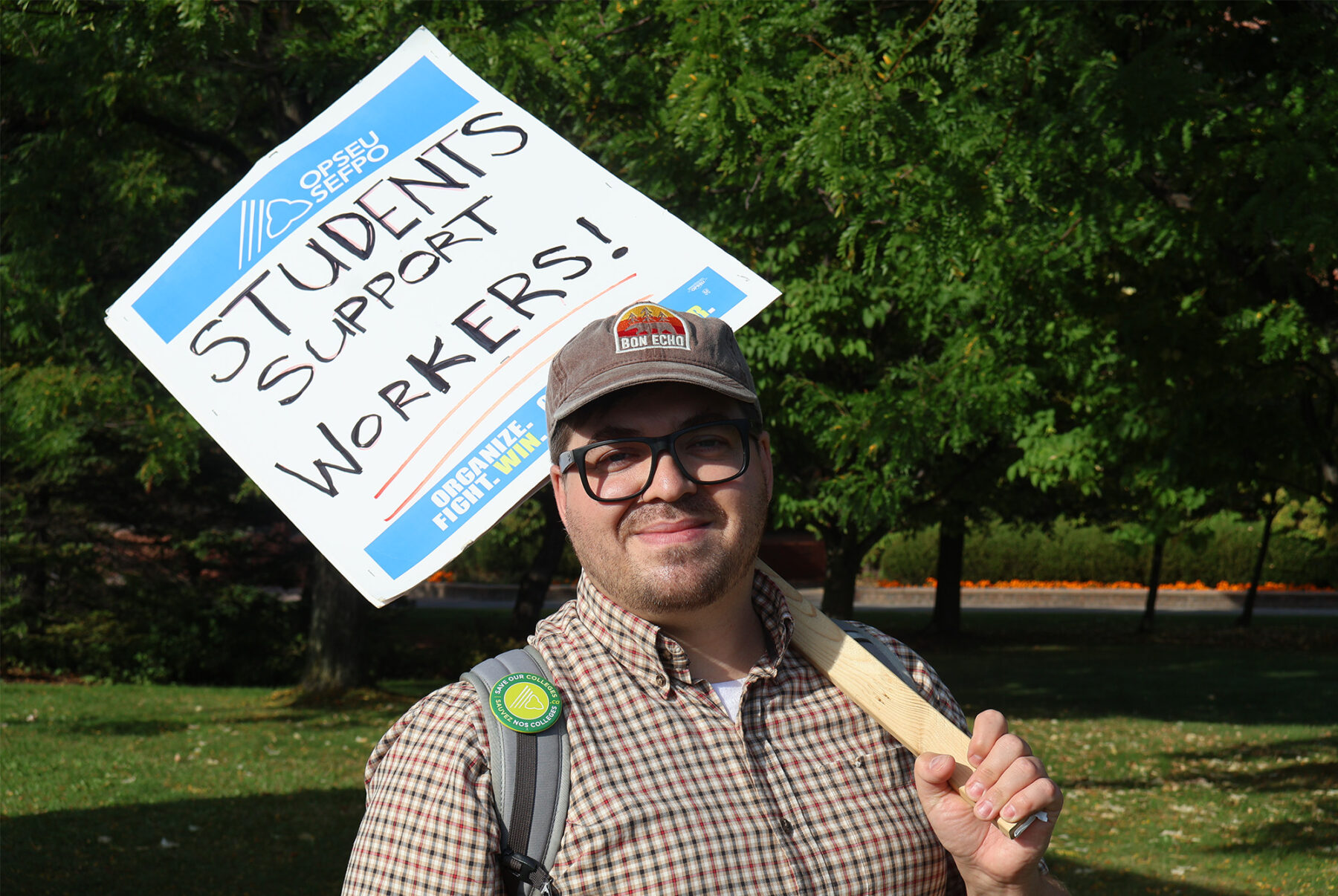
Ashton Starr holding up his picket sign, one he proudly wrote himself.

For the past two weeks, when Ashton Starr’s classes have finished before 5 p.m., he has walked out to the campus’ Woodroffe entrance, picked up a sign and joined the picket line.

“I made it myself,” he proudly says, pointing to his picket sign that reads “Student Labour Solidarity.” “Students Support Workers” is written on the other side.

“If I wanted to be punnier,” he says with a chuckle, “I would have written ‘Student Support Workers,’ because that’s the reason why I’m out here.”

A student in the one-year bookkeeping and accounting program, Starr says he plans on seeking employment in administrative work after graduating.

His goal is to work at a college like Algonquin, but he’s disheartened to hear about the recent job cuts across Ontario’s public colleges.

“It means I might not be able to get a job, because there might not be any,” he says.

Now entering its third week, college full-time support staff across Ontario, including at Algonquin College, continue to be on strike.

On Sept. 26, OPSEU and the government returned to the negotiating table “with the assistance of a Ministry-appointed mediator.” However, employees will remain on the picket lines until an agreement can be reached between the two parties.

Advocating for enhanced job security protection, more substantial benefits, a pause to college or campus closures or mergers and an embargo on staff reduction, OPSEU says it’s part of an effort to protect Ontario’s public post-secondary institutions.

Full-time support staff at Algonquin College walking through their picket line
Full-time support staff across Ontario's colleges, including at Algqonuin College, are on strike after failing to reach a new bargaining agreement on midnight Sept. 11. Photo credit: Ernest Ko

While Starr is not part of the union, he says he still feels deeply impacted by the situation.

“If support workers are being replaced, and (colleges) are understaffing workplaces, then when is it going to start happening to the workplaces I work in?”

Starr says support workers deserve to get their voices heard and are trying to raise awareness about their importance.

Indeed, students are becoming aware. After two weeks of reduced services, strain is evident throughout the campus.

Daimon Quaile is a student in the electrical engineering technician program. As someone who drives to school every day, Quaile says he is getting frustrated with driving past the picket lines.

“(Getting to school) can definitely be delayed,” he says. “I wish that they’d let a couple more cars go. Every time, it’s only one car per light.”

Mathis Pivetta, who’s in the computer system technician-networking program, leads the AC Kali Club, a club all about learning ethical hacking.

Members of the Kali Club posing for a picture
The Kali Club meets every Friday in Room T114, from 11:30 a.m. to 1:30 p.m. Photo credit: Facebook

With services left with a reduced staff for the past two weeks, “booking rooms and tables are severely impacted,” Pivetta says.

Pivetta says part of the Kali Club is also having “a platform with documentation, walkthroughs, tutorials and many other things called the Kali Wiki.”

Run by academic technologists in the T-building, the Kali Wiki was under migration to a new operating system when the strike began. Without them, a key component of their club is currently at a standstill.

Across multiple services around campus, part-time or casual employees are now left with duties normally completed by their full-time colleagues. From the authority to release documents, grant accommodations or approve certain requests, some services just can’t be completed right now.

To supplement non-full-time employees, managers, administration and academic chairs are now also assisting in providing college services, including at Financial Aid and N-building’s Production Services.

Faced with a more personal dilemma, Abby McQuirter, a student in the early childhood education program, says getting her OSAP assistance has been more difficult this semester.

“There were people there to help me, but they couldn’t provide the exact support I’m looking for,” McQuirter says.

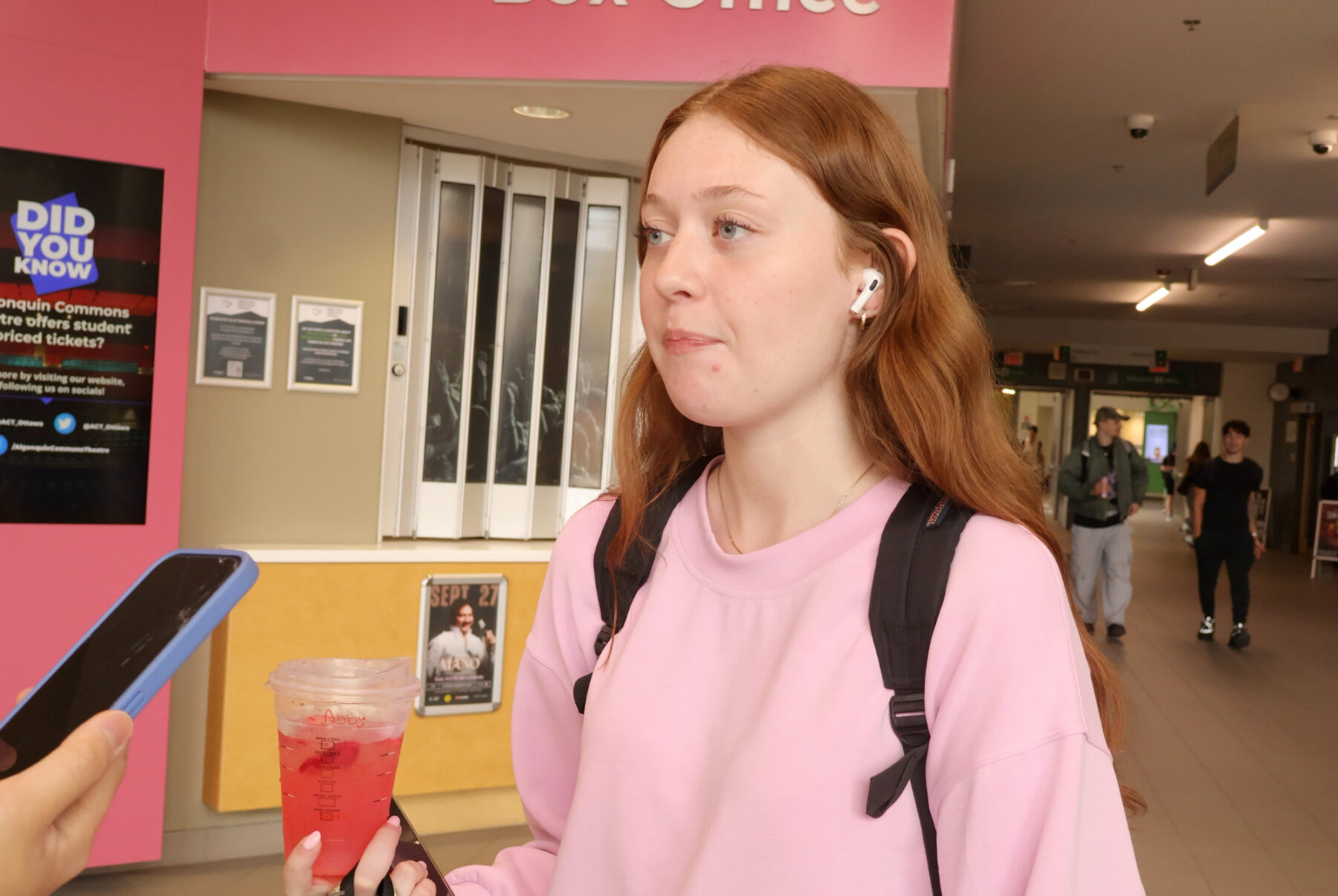
Abby McQuirter talking to the Algonquin Times in Algonquin College's E-building, in front of the Algonquin Commons Theatre box office.
Abby McQuirter, an early childhood education student, says the strike has impacted her OSAP application.

McQuirter is sympathetic to the part-time and casual employees, though. “It’s not really their specifications. They’re doing the best they can,” she says.

For Starr, he debated applying for accommodations from the Centre for Accessible Learning, “but I would have had to apply a long time ago, and I probably still would not have received a response.”

Speaking to his friends, he says some are still waiting for access to their Brightspace.

“They’re not getting that (support) because there’s both not enough staff and the staff there aren’t full-time,” Starr says. The growing backlog, he says, does not help either.

Despite their troubles, some students are still supportive of the strike, including McQuirter.

“Everyone has a right to protest,” she says.

Pivetta also continues to back the striking employees.

“Is it annoying? Yes. But I won’t complain, because they should be getting rewarded correctly,” Pivetta says.

However, Quaile says that the union should focus more on explaining to students why they are on strike and why students should care.

“I had to Google what it even was that they were striking for,” he says.

In blocking traffic into the college, “I think it’s partially to annoy people because that puts pressure on the college to take action, but I think people would be a lot more supportive if they knew what this was about and why what’s happening is unjust,” Quaile says.

“I’m not sure if they’re handing out pamphlets, but if they are, it hasn’t reached me yet.”

Still, knowing why the strike is happening, Quaile says he agrees with and supports the employees.

“It’s good that they’re able to do what they’re doing.”

Asinabka Film & Media Arts Festival marks 14th year celebrating Indigenous voices

The event honours Indigenous culture through film, art and authentic storytelling
Photo: Matthew Grieve
Christopher Wong and Howard Adler, co-directors and programmers of the Asinabka Film & Media Arts Festival, on Sept. 18.

“Asinabka,” an Algonquin word that refers to the region of Ottawa, is also the name of a four-day festival, showcasing and celebrating the Indigenous community. The Asinabka Film & Media Arts Festival highlights a wide range of topics, from cultures and languages to international issues. It provides a space for Indigenous people to express themselves through filmmaking and media arts.

The festival, which ran from Sept. 18 to Sept. 21, happened outside Club SAW at Arts Court and included a Saturday afternoon art showcase at Gallery 101. This year’s theme, inspired by The Addams Family, set the atmosphere for the filmmakers, artists and attendees.

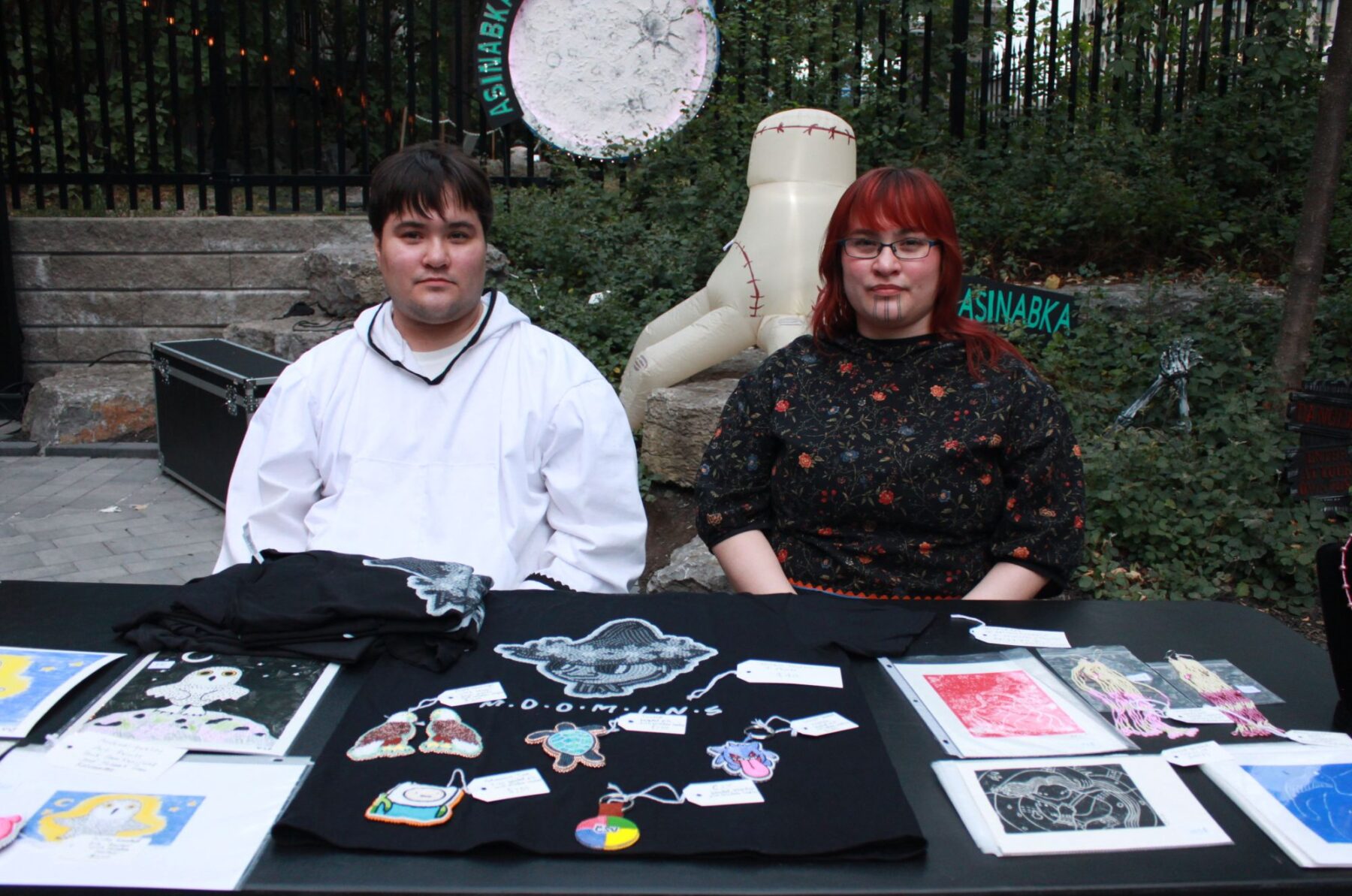
Isaac Patridge and Akinasi Patridge at the asinabka film & media arts festival, displaying their art for purchase on Sept.18
Isaac Patridge and Akinasi Patridge at the Asinabka Film & Media Arts Festival sell their art on Sept. 18. Photo credit: Matthew Grieve

Howard Adler, a long-time co-director/programmer for the Asinabka Film & Media Arts Festival, said the goal of the festival is to portray an authentic perspective.

“Authenticity is an important topic and is central to what our festival is about. We literally started Asinabka to have authentic perspectives from actual Indigenous peoples reflected in film and storytelling on screen,” said Adler. “There is a long history of Indigenous voices being excluded and our festival is about making space for us to focus and highlight our historically underrepresented voices.”

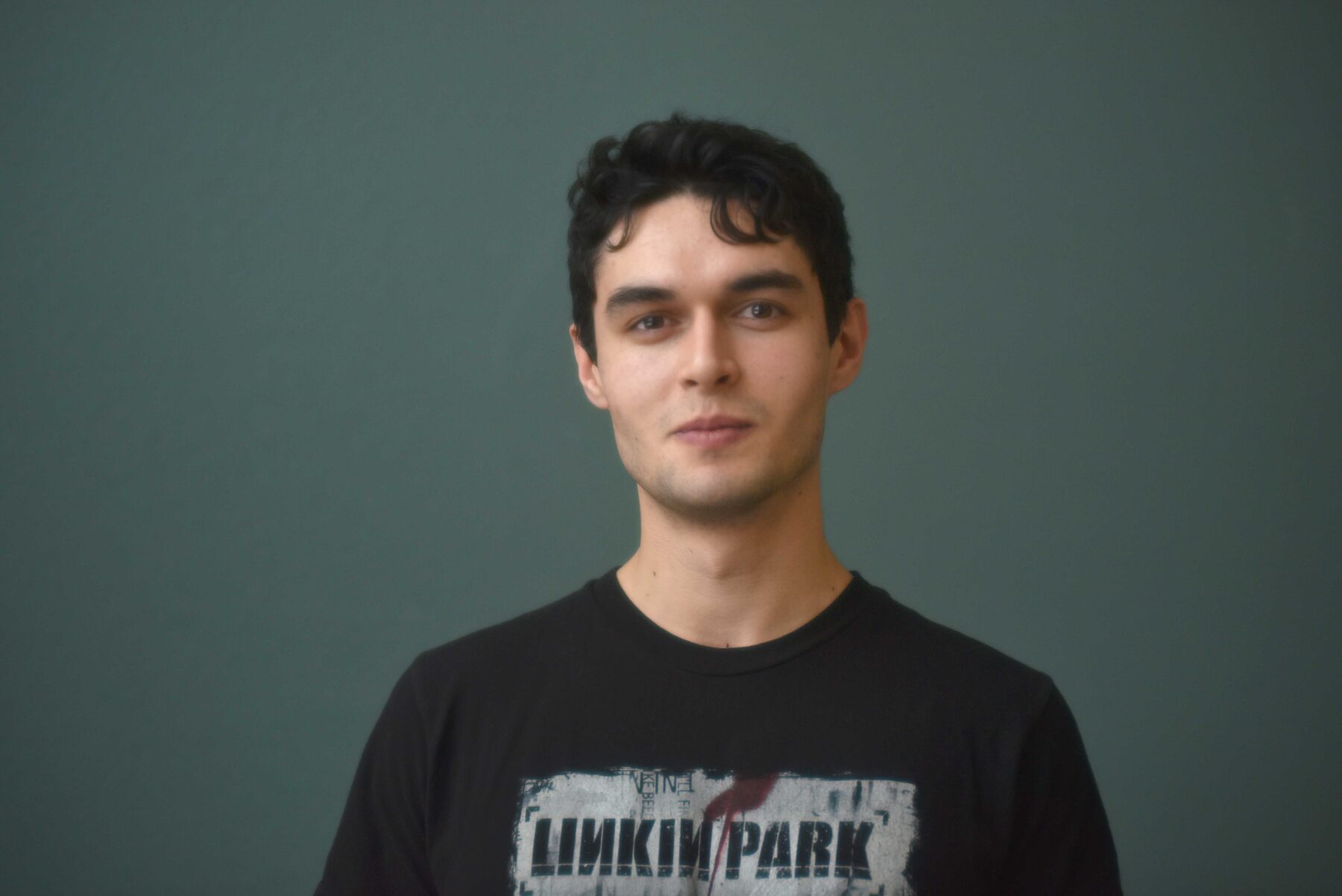
Howard Adler
Christopher Wong and Howard Adler, co-directors and programmers of the Asinabka Film & Media Arts Festival, on Sept. 18. Photo credit: Matthew Grieve

Christopher Wong, another co-director/programmer for the festival, said Indigenous friends at Algonquin College worked hard to bring the festival to campus by organizing film screenings on Sept. 30 at the Mamidosewin Centre for the National Day for Truth and Reconciliation.

“They’re trying to host events using the Aboriginal lounge there, the Mamidosewin Centre. And they’ve invited us a couple times to do film screenings there,” said Wong. “It would be great to keep that relationship ongoing so that we can continue to tell our stories through film, through conversation, through food”.

The Mamidosewin Centre was not participating in this year’s event, but staff expressed their enthusiasm for the festival.

Mamidosewin Centre located at Algonquin College E building
Mamidosewin Centre located at Algonquin College's E-building. Photo credit: Matthew Grieve

“Film festivals are helpful tools to do a lot of the storytelling and the awareness creation that aid the bridging of Indigenous views and the world view of Indigenous people,” said Eric Johnston, manager for the Mamidosewin Centre. “I think the film festival can be a voice for that.”

There are only a few Indigenous-led festivals and after 14 years going strong, the Asinabka Film & Media Arts Festival has received positive support from the community and Indigenous artists. Artists are eager to be involved and recognized for their rich history and culture, said Adler.

As the festival came to a close, Adler expressed interest in the future of the event.

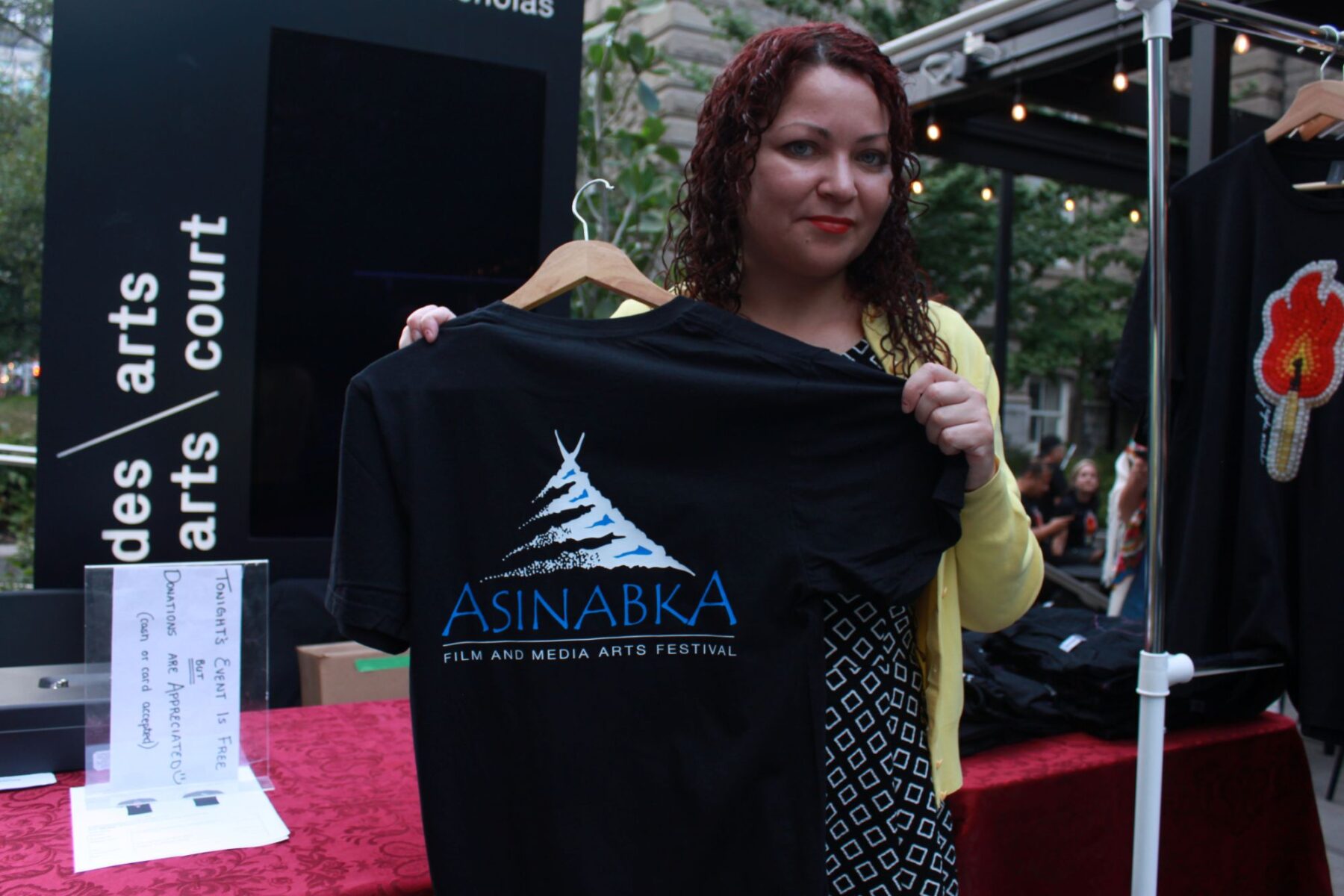
Sheila Grantham, volunteer for the festival. Sept. 18
Sheila Grantham, a volunteer, holding Asinabka Film and Media Arts festival merchandise, on Sept. 18. Photo credit: Matthew Grieve

“I hope the festival continues for years to come. I think it’s an important event in the city of Ottawa,” said Adler. “I think there’s a need for our festival to exist and I think Indigenous films and Indigenous artists are only getting better and finally starting to get the much-deserved recognition.”

Politicians and performing arts come together for sold-out cultural event in the Algonquin Commons Theatre

Breaking boundaries through song and dance? The Palette of Cultures aims to accomplish just that.
Photo: Bradley Richards
Chen Fei (left) and Wu Feng Hua performing a Yue opera duet.

Every nation has its own unique cultural heritage and history.

But it’s not every day that you see cultures from across the world come together on the same stage for a night of global cultural celebration in a sold-out show.

Well, that is exactly what happened on Sept. 20 at the Algonquin Commons Theatre.

The stage came to life with music, colourful outfits and rhythmic dancing from performers, who shared a piece of themselves with people in the packed crowd.

The audience clapped wildly as each performance came to an end and the lights died down. The majority of the crowd stayed seated with their eyes fixed to the front until the very last moment as the theatre drapes closed.

The Palette of Cultures showcase featured performances from Indonesian folk dance, Brazilian Samba and Japanese Taiko drums, to Yue opera singers coming all the way from China.

Canadian Senator Yuen Pau Woo and former senator Victor Oh organized the event with the goal of bringing the world together again through cultural expression.

“Tensions have been flared, and people forget that we share the world,” said Oh. “We need to work together to build a better world for the next generation.”

“We have over 20 ambassadors that are going to be here today, and close to 40 embassies participated. It’s very touching. People realize that diversity and multiculturalism can work to bring the world together again.”

Retired senator Victor Oh speaking at a reception before the showcase began thanking everybody who helped coordinate and all those who attended.
Retired senator Victor Oh speaking at a reception before the showcase thanking everybody who helped coordinate and all those who attended. Photo credit: Bradley Richards

Adrian Harewood, a Carleton University journalism professor and former CBC anchor, cracked a few jokes as he helped guide the audience through the event as the host.

Harewood said events like the Palette of Cultures are critical in difficult times.

“We are living in a very tumultuous time in history. A time where it seems as if we are increasingly becoming polarized in our communities, but also in the global community,” said Harewood.

“Moments like these are truly important because it reminds us of our collective humanity.”

Indonesian folk dance performed by Eko Nurcahyo at the Palette of Cultures.
Indonesian folk dance performed by Eko Nurcahyo at the Palette of Cultures. Photo credit: Bradley Richards

The Palette of Cultures showcase was also endorsed by Mayor Mark Sutcliffe, Ontario Premier Doug Ford and Prime Minister Mark Carney.

The event was filled with talented artists. George Sapounidis (better known as Chairman George) is a multi-lingual singer whose performance featured short displays of songs in 12 different languages.

Two acclaimed Yue opera artists were also featured. Wu Feng Hua and Chen Fei performed a tragic love story called The Butterfly Lovers. An English translated script of the story was also displayed on a projector screen behind the artists throughout the show.

This was the first Palette of Cultures event, but the organizers of the event hinted there may be many more to come after seeing the success of this first event selling out the entire theatre.

Listen: Algonquin Times podcast

Fall 2025, Episode 1: Times journalist Ernest Ko joins hosts Janella Milord Ashford and Mickey Banks to discuss his reporting on the full-time support staff strike
advertisement for Algonquin Times podcast with a golden microphone and a soundwave

Listen to podcasts and other audio features produced by the Algonquin Times.

TikTok video highlights women’s health in all the wrong ways

Algonquin College students respond to a social media thread of staff posing with fluids left on the patient’s examination chair
Photo: Robyn Lanktree
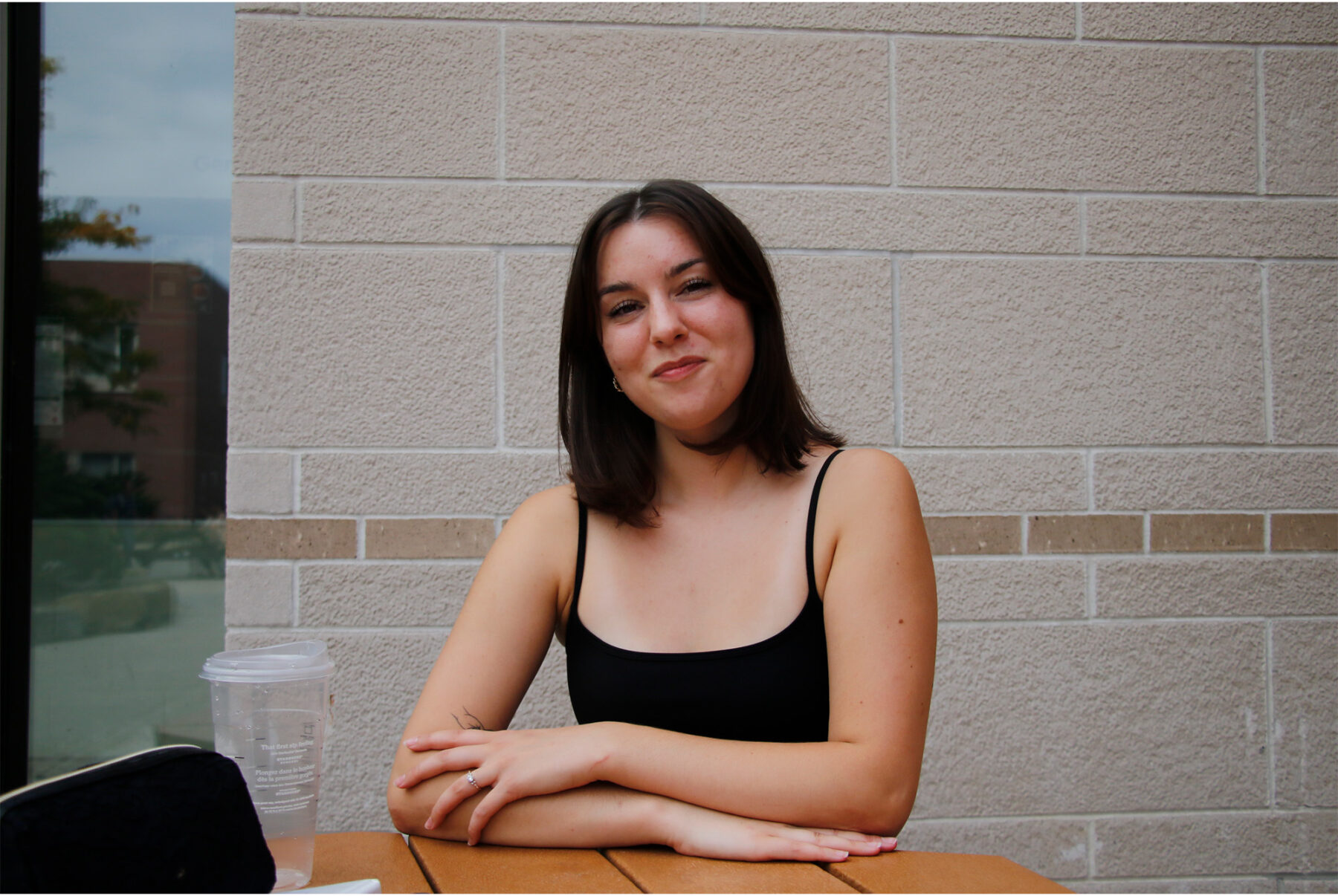
Rebecca Charman poses for a photo while studying in the B-building on Sept. 17.

Rebecca Charman’s health hasn’t always been taken seriously by healthcare professionals. Between band-aid solutions and being denied diagnostic exams, Charman started to believe her problems weren’t real.

Now, a student in the Algonquin College respiratory therapy program, she saw a TikTok post that would make her reluctant to seek medical care again.

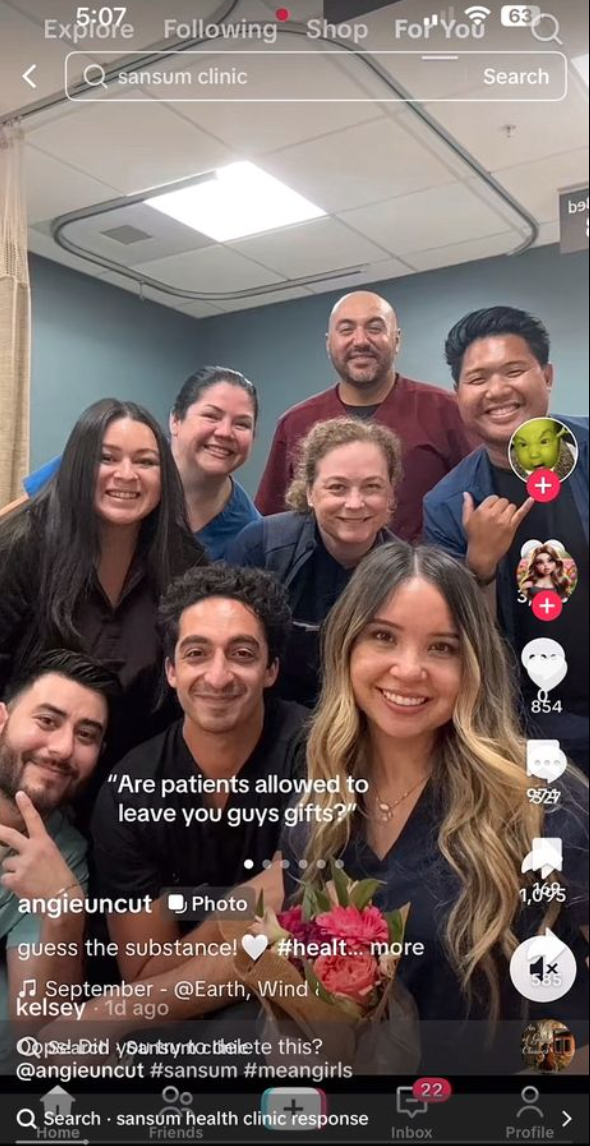
Over the Labour Day weekend, a TikTok captioned “Guess the substance” was posted by angieuncut, an account run by a former employee of the Sansum Clinic in Santa Barbara, Calif., a non-profit outpatient health organization owned by Sutter Health.

The post included several photos of OB-GYN clinic staff pointing, smiling and sticking out their tongue at residual fluids left by patients. The images were accompanied by text such as, “Are patients allowed to leave you guys gifts?” and “Make sure to leave your healthcare workers sweet gifts like these!”

The TikTok was quickly deleted after receiving online backlash that criticized the post for being unprofessional, unethical and demoralizing to patients’ privacy and bodies.

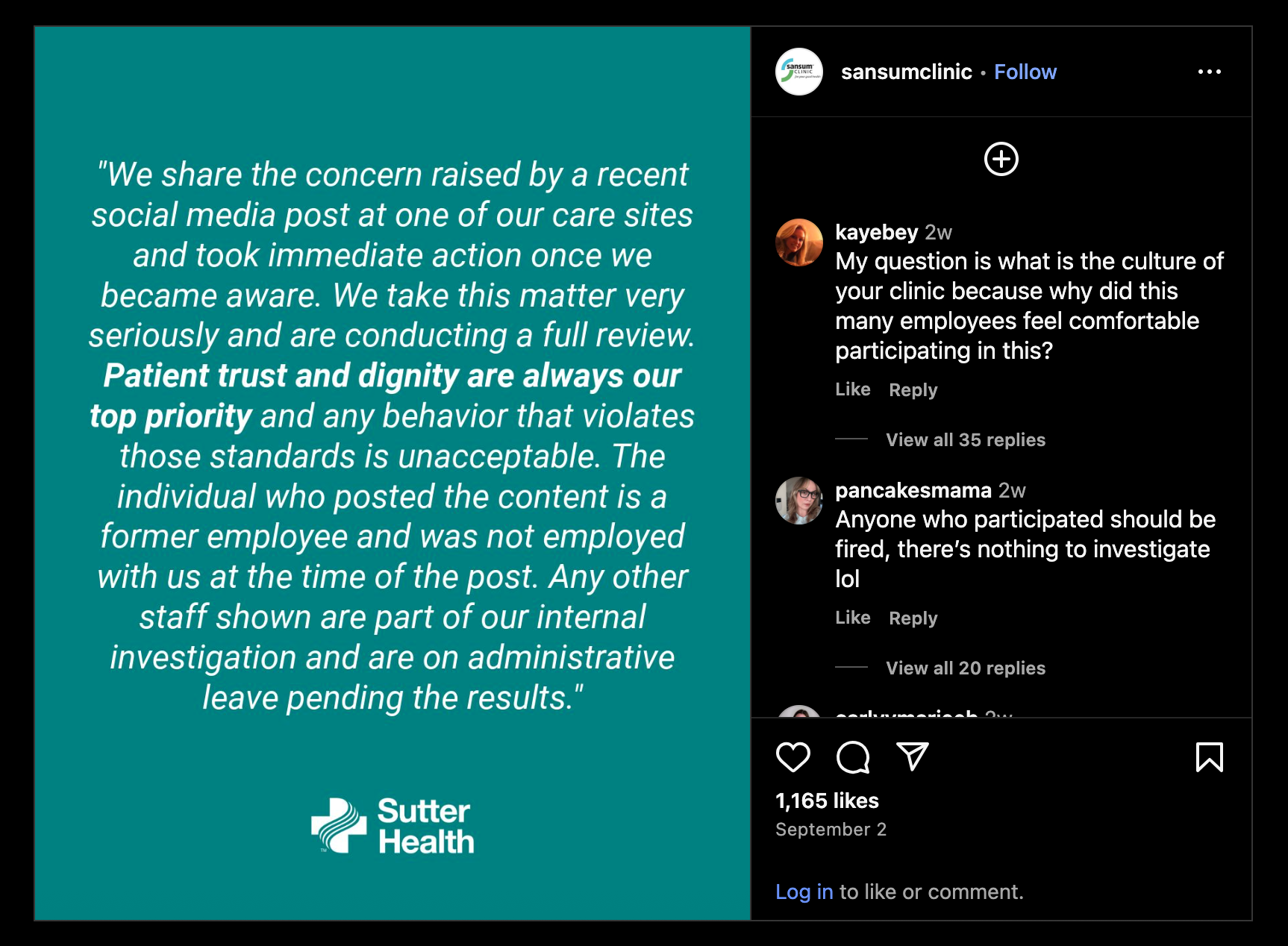
In response to the scandal, Sansum Clinic released a statement claiming the person who made the TikTok was not employed at the time of the post and that all staff shown in the photos were placed on administrative leave pending the conclusion of their internal investigation.

Sansum Clinic posts a response to the deleted TikTok video on Instagram, Sept. 2.
Sansum Clinic posts a response to the deleted TikTok video on Instagram on Sept. 2.

The involved staff have since been fired, with some online comments claiming they should have their licenses revoked as well.

Comments condemning the actions of the healthcare workers and screenshots of the original TikTok post have flooded Sansum Clinic’s Yelp review page, leaving the location with a 1.3-star rating.

Many of the comments criticized the female staff for their role in humiliating and stigmatizing the normal bodily functions of their female patients during vulnerable examinations such as pap smears, diagnosing and treating menstrual disorders, cancer screenings, pelvic exams and more.

A screenshot of the deleted post shows some of the healthcare workers involved in the scandal.

For Charman, the video was disturbing to see as a woman in healthcare.

“To be treated that way, especially in a ‘safe-space’ for women by other women, it (the TikTok post) seemed very disgusting,” Charman said.

Charman didn’t just find the content inappropriate, but the ideology that the post perpetuated.

“It’s playing into this kind of stereotype that women’s bodies are naturally just kind of gross,” Charman explained. “People think periods are gross, body hair is gross and discharge is gross. So I think women promoting that and making a joke out of it is making women feel more ashamed of how their bodies naturally are.”

Although Charman acknowledged the potential for TikTok to make healthcare and knowledge more accessible, she believes patients are not content.

“I’d be so mortified,” Charman said, reflecting on the possibility of her medical visit being posted online. “I don’t think I would ever want to see a doctor again.”

Charman believes that the underrepresentation of women in medical studies, the stigmatization and the trivialization of women’s health concerns can make them reluctant to seek medical help.

Charman has experienced her own medical issues being taken lightly by doctors, “I have endometriosis,” she said. “For so long, I’ve been told by my doctors that my pain is normal and to just try birth control. It’s the worst feeling in the world to feel like you’re crazy for experiencing your own pain.”

Endometriosis is a chronic disease that causes tissue like the inner lining of the uterus to grow in other places of the body and can cause pain, fertility issues and fatigue. According to The Endometriosis Network Canada, at least one in 10 people with a uterus has the disease.

After years of being denied testing and dismissed with just a prescription for pain medication and birth control, Charman finally found an OB-GYN who gave her an examination. It took nearly seven years for her to receive a proper diagnosis.

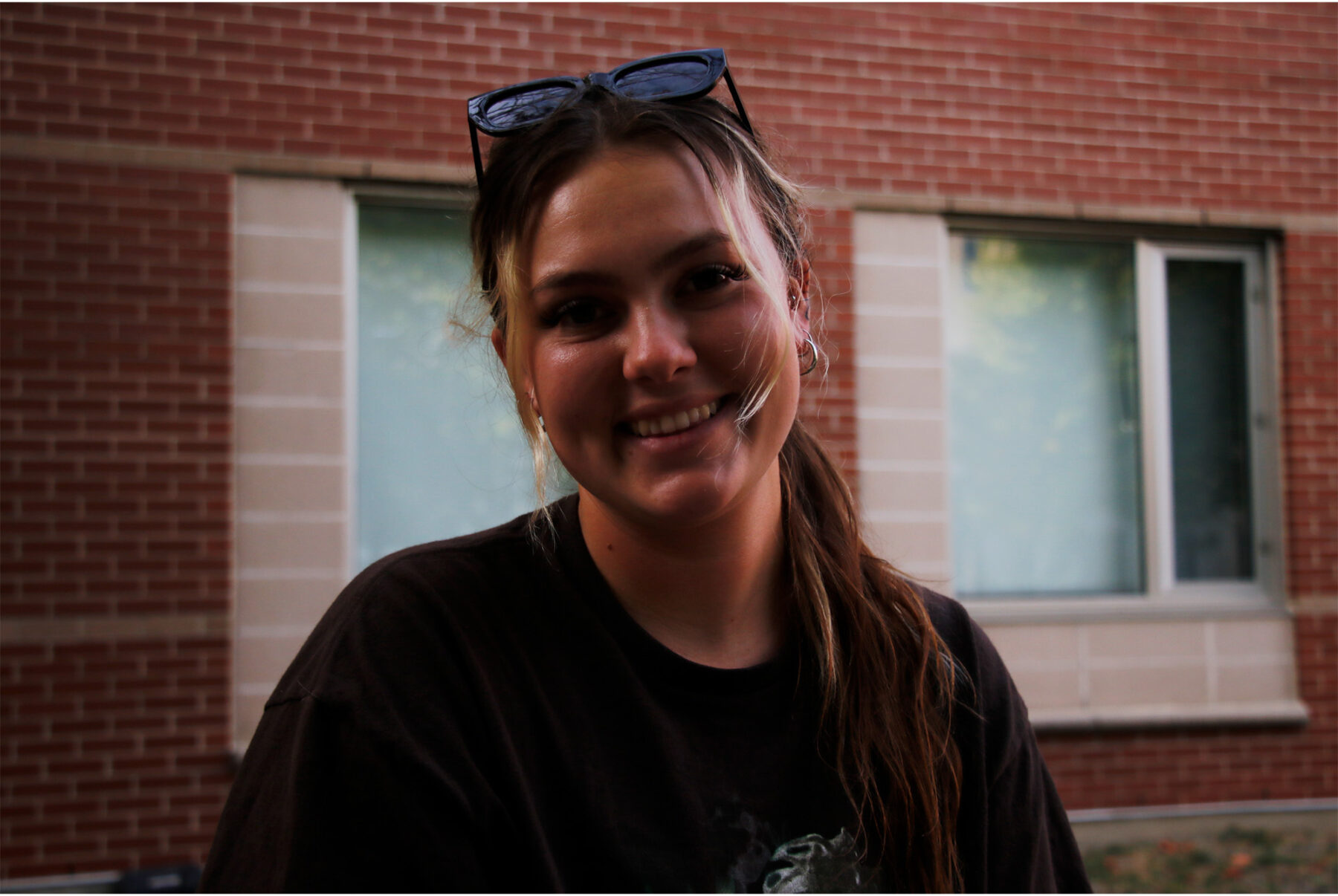
Pre-health student Mandye Boucher poses for a photo in a courtyard at Algonquin College on Sept. 18.
Pre-health student Mandye Boucher poses for a photo in a courtyard at Algonquin College on Sept. 18. Photo credit: Robyn Lanktree

Pre-health student Mandye Boucher has also felt dismissed by doctors as a woman.

As a young teenager, Boucher expressed anxiety around her first pap test and asked for a female doctor to conduct the examination or at least be present in the room.

The male gynecologist denied her request.

“The gynecologist literally told me, ‘This is my job, I can do it as much as any other nurse in here, so I don’t see an issue with why you would want a female,’” Boucher said.

For 15-year-old Boucher, who didn’t know what the examination would be like, her appointment was an intimidating experience.

“I just wanted reassurance,” she said.

Now 25, Boucher makes it a point to be more assertive in asking for the accommodations that make her comfortable in vulnerable scenarios.

Myia Malcolm, a geographic information systems student, also feels that doctors’ appointments can be daunting.

“I think it’s already pretty scary talking to a doctor. I know it’s pretty intimidating for a lot of people, as it’s all an unknown,” Malcolm said. “You have no idea what’s going on. You don’t want to be told you’re dying or something is super wrong with you.”

Myia Malcolm takes a break from studying on Sept. 17.
Myia Malcolm takes a break from studying on Sept. 17. Photo credit: Robyn Lanktree

Malcolm believes that with advancing technology and social media, younger people will take their questions to TikTok or Instagram instead of their parents and doctors.

“The intimidation factor will only grow as people get older and as more people, like parents, talk less and less to their kids,” Malcolm said.

Although online platforms can be a positive resource for medical awareness, the spread of misinformation would be at the expense of women’s health.

“Those nurses who posted that TikTok, I think that isn’t helping our situation,” Charman said.

“I think women need to stand together…then we can make a lot of change.”

Men’s soccer Wolves have howling victory over the Lakehead Thunderwolves

New talent shines as the Wolves ease their way into a 12-0 victory
Photo: Nathan Heatherington
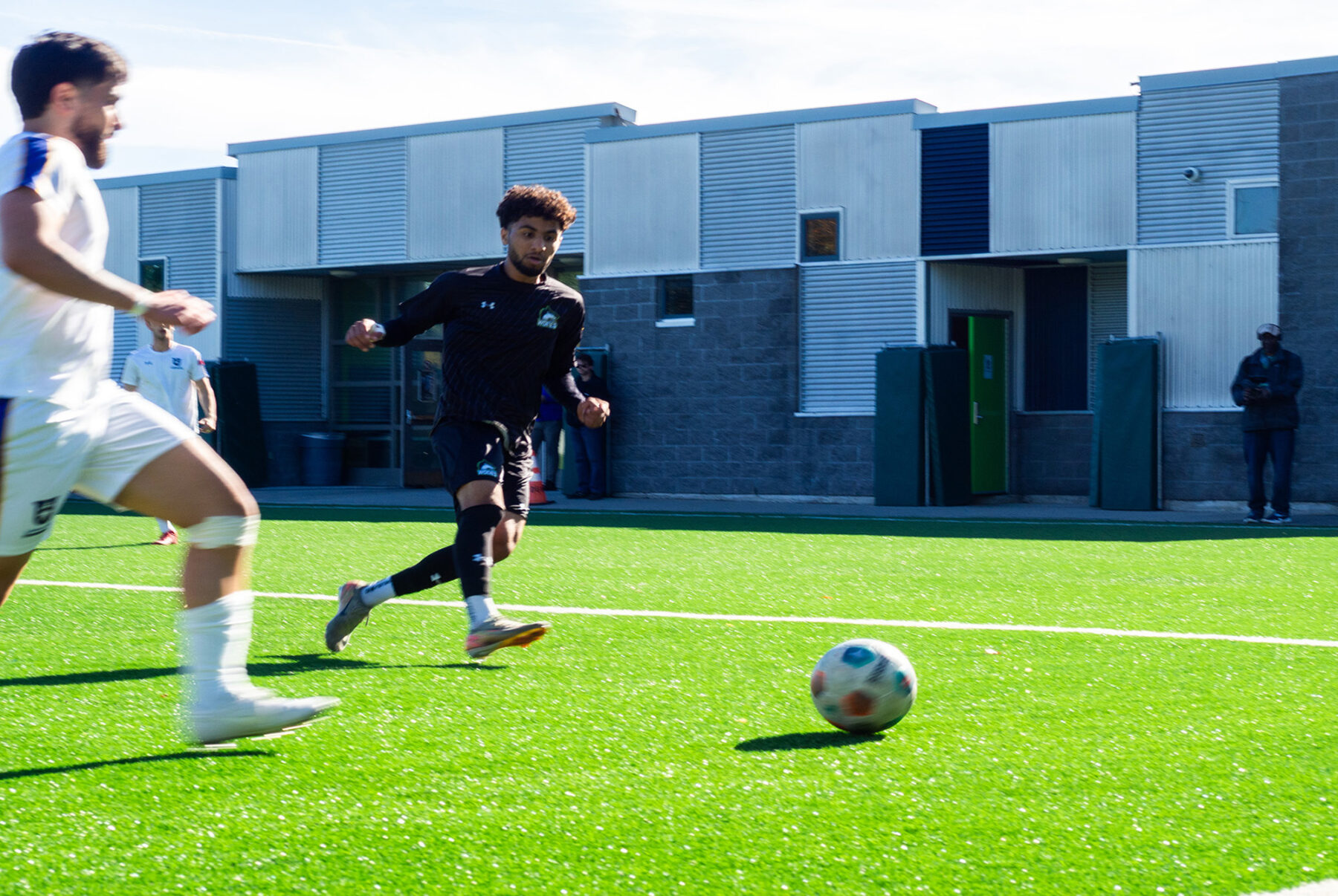
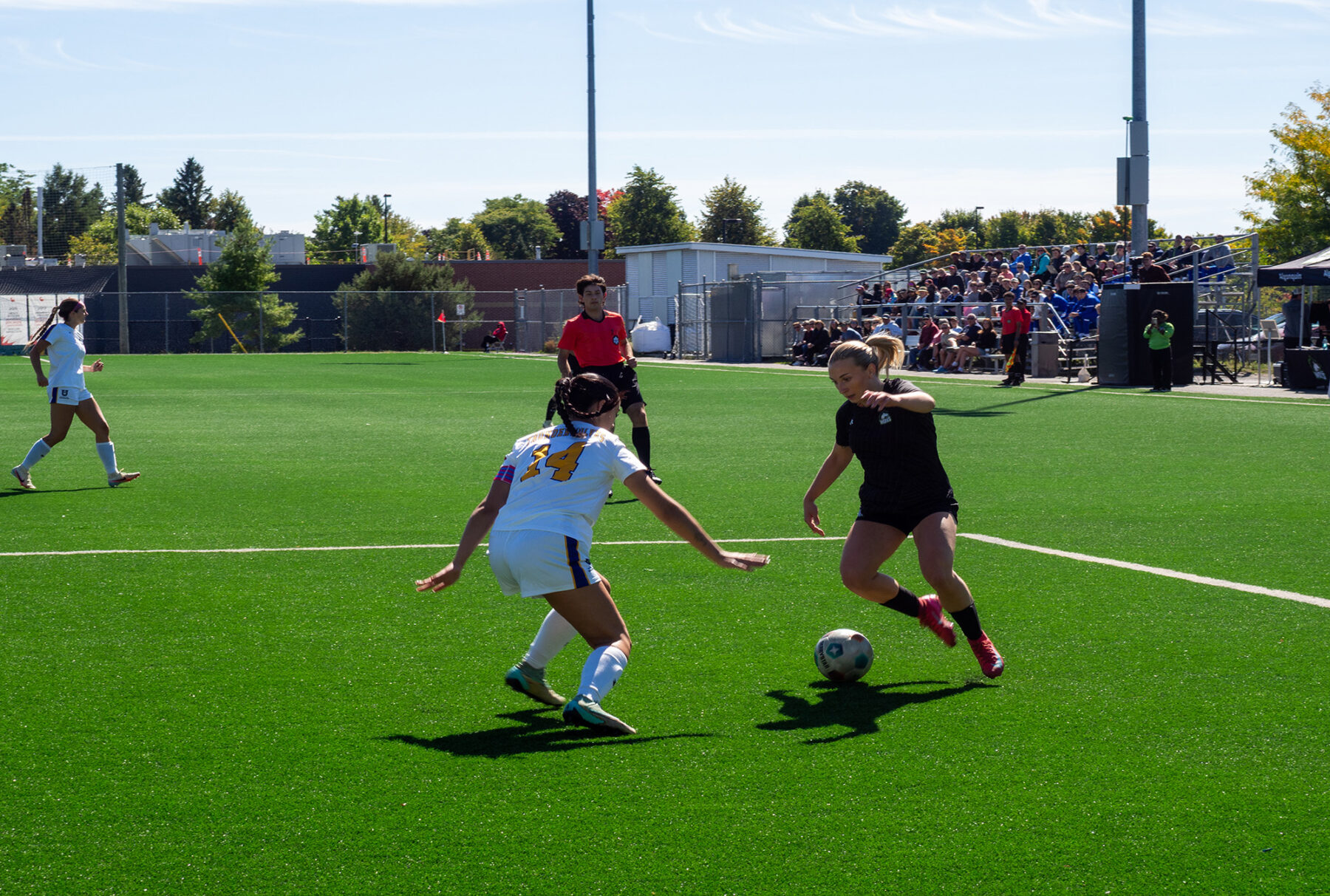
Azeez Al-Hammood moves the ball towards the goal at the Z-building field against the Thunderwolves.

The Algonquin Wolves men’s soccer team crushed the Lakehead Thunderwolves 12-0 on Sept. 20 at the Z-building field, continuing their undefeated streak.

Spurred on by their assistant coach Kieran Spring, the Wolves clinched their sixth victory of the season while head coach Angus Wong cheered from the bleachers.

“The head coach is expecting a baby later on,” said Spring. “So, this was just a practice in case he’s not able to make it (to a game) because of the birth of his son. It’s a different role, different perspective, different way to prepare, and I had lots of fun.

“It’s been a great start to the season, there’s been a mix of competition, some quality teams and some that are a little bit less quality. But it’s about making sure our standards are high. Getting the three points every game is the goal, and it’s absolutely great to be 6-0.”

The Thunderwolves entered the second half with only 10 players due to injuries.

“Obviously it’s tough for them like it is tough for any team when you play two games in 18 hours,” said Spring. “They were trying to sit back and absorb pressure to limit some of the damage, so yeah, I feel for them.”

The Wolves also showcased some new talent, with Azeez Al-Hammood, a rookie from Gloucester High School, scoring his first hat trick of the season.

“I’m looking forward to more goals this season,” said Al-Hammood. “This team is pretty good, we’ve played six games, probably scored 40 goals and only conceded two. We’re going to do the run and have a good track record this season.

“I’m very proud of what I did today, and a big thanks to the team. It’s not a one-player thing, it’s a whole-team thing, so thank you.”

The Wolves weren’t without their own injuries. After scoring his first goal, rookie Alton Gaspard twisted his ankle, sidelining him for the rest of the game.

“I was trying to do a move. I was dropping my shoulder and in that moment, I rolled my ankle. I don’t think it’s anything serious and I should be good in the next couple of weeks,” said Gaspard.

Women’s Wolves soccer squad wins 2-0 against Lakehead Thunderwolves

The women's soccer team keeps a clean sheet, dominating the Thunderwolves and continuing their victory streak
Photo: Nathan Heatherington
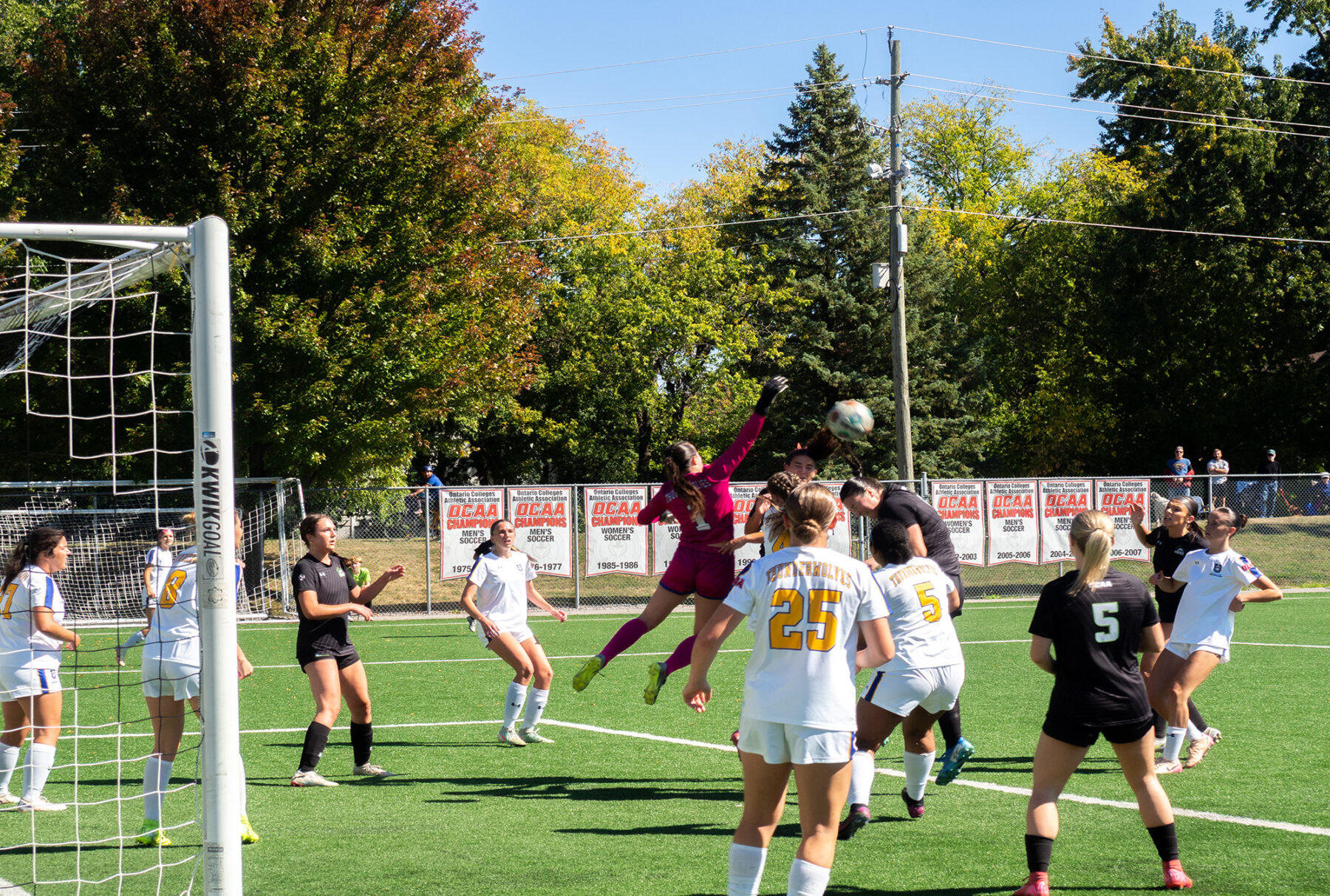
The Wolves attempt a header at the Z-building field against the Thunderwolves.

The Algonquin Wolves women’s soccer team kept a clean sheet against the Lakehead Thunderwolves, winning 2-0 on Sept. 20 at the Z-building field and continuing their undefeated streak.

“We’re 5-0. We’re off to a pretty good start, so pretty happy with that,” said Basil Philips, head coach for the Wolves.

Mallory Armstrong, No.5 for the Wolves, moves the ball towards the goal at the Z building field against the Thunderwolves
Mallory Armstrong moves the ball towards the goal at the Z-building field against the Thunderwolves. Photo credit: Nathan Heatherington

Despite the early success of the team, Philips said he’s keeping his eyes on the future.

“We just want to keep improving,” said Philips. “This is just the midpoint of the season, so we’re just working our way through towards the end goal. The end goal is the victory, so we are looking at the end of the season and continuing on that pathway.”

Players echoed Philips’ enthusiasm about their victories.

“It feels amazing to go 5-0,” said Alex Aubin, who scored both of the Wolves’ goals. “That was our goal, to go 5-0, and hopefully we will go at least 10-0.”

“We keep doing what we are doing,” said Aubin when asked how they will achieve a 10-0 winning streak. “We’re really working on keeping our composure when we are up, (to) keep focusing and don’t switch anything up.”

Alex Aubin, No.25 for the Wolves, moves the ball towards the goal at the Z building field against the Thunderwolves
Alex Aubin moves the ball towards the goal at the Z-building field against the Thunderwolves. Photo credit: Nathan Heatherington

“Just keep the pack mentality,” said the Wolves’ Mallory Armstrong. “We’re a team, we’re a family. If we just keep up our strong game, I think we can definitely go pretty far.”

The Wolves dominated the game, playing most of the time in the Thunderwolves’ half.

“We were just staying patient,” said Philips. “They were playing the ball around the back like we knew they would, but they didn’t have much threat going forward. So we were just patient and looking to turn over the ball, and once we took possession we attacked.”

“I think we played really well offensively,” said Armstrong. “We kept the high press against them, kept getting them to move the ball back-and-forth, which is what our goal was today.”

Observatory stops operations as a pub, switches to rental-only

AC's longest-standing bar has shut down daily operations for the semester as SA considers "student behaviour and on-campus traffic"
Photo: Mila Leclair
The E-building hallway is looking extra dark and quiet now that the Observatory has closed down as a daily pub. This photo was taken on Sept. 10.

Another affordable lunch spot has disappeared from the Algonquin College campus and without any announcement, students are feeling sold short.

According to the Algonquin Students’ Association, the Observatory will only be available for rentals, rather than operating as the daily campus pub it once was. The Ob was also only open for rentals during the spring term.

“Going forward, the Observatory will be used as an event space and for rentals,” said Chris Lackner, the SA’s senior manager of communications, in an emailed response.

“The SA’s day-to-day hospitality services on Ottawa Campus will be exclusive to the Wolves Den Restaurant and Games Room and Starbucks. This shift in focus at the Observatory comes as the SA continues to assess changes in student behaviour and on-campus traffic.”

Some students feel left out by the news. They did not receive notice of the semester-long closure, other than a sign taped to the door. There is no word yet on the Ob’s future and with no reason from the SA as to why the closure remains, students want to know if the rental-only operation will be permanent.

Ola Madamidola, a mechanical engineering technology student, has noticed a pattern of closures around the college.

“It’s a shame to have just another dead room on campus,” he said.

A statement from the SA to staff on Sept. 10 said the Wolves Den has updated its menu to include some campus favourites from the Observatory, including the crispy chicken sandwich, Nashville chicken sandwich, buffalo chicken sandwich, Ob Burger (renamed Den Burger), buffalo chicken poutine, grilled cheese and bacon and avocado grilled cheese.

Police foundations students (from left to right) Miranda Mullen, McKenna Andreas, Christian Torres Lara, Ariel Buligo, Heather McLaughlin, Naomi Ward and Maya Thompson hang out at the Wolves Den patio on Sept. 10.
Police foundations students (from left to right) Miranda Mullen, McKenna Andreas, Christian Torres Lara, Ariel Buligo, Heather McLaughlin, Naomi Ward and Maya Thompson hang out at the Wolves Den patio on Sept. 10. Photo credit: Mila Leclair

Business alumni Alex Markus, who was a longtime bartender at the Wolves Den and the Observatory, said he noticed changes in business throughout his summer term bartending at the Ob.

“The events were usually pretty busy because it was booked, but I did notice there wasn’t as many events, like it was not booked up enough,” he said.

“I was still getting regular shifts, just no customers. Then they moved us all to the Wolves Den and only certain shifts for events at the Ob would come available.”

Algonquin Times podcast

Stay Informed

Sign up for our newsletter

Subscribe

* indicates required