Nursing students bring awareness to organ donor campaign
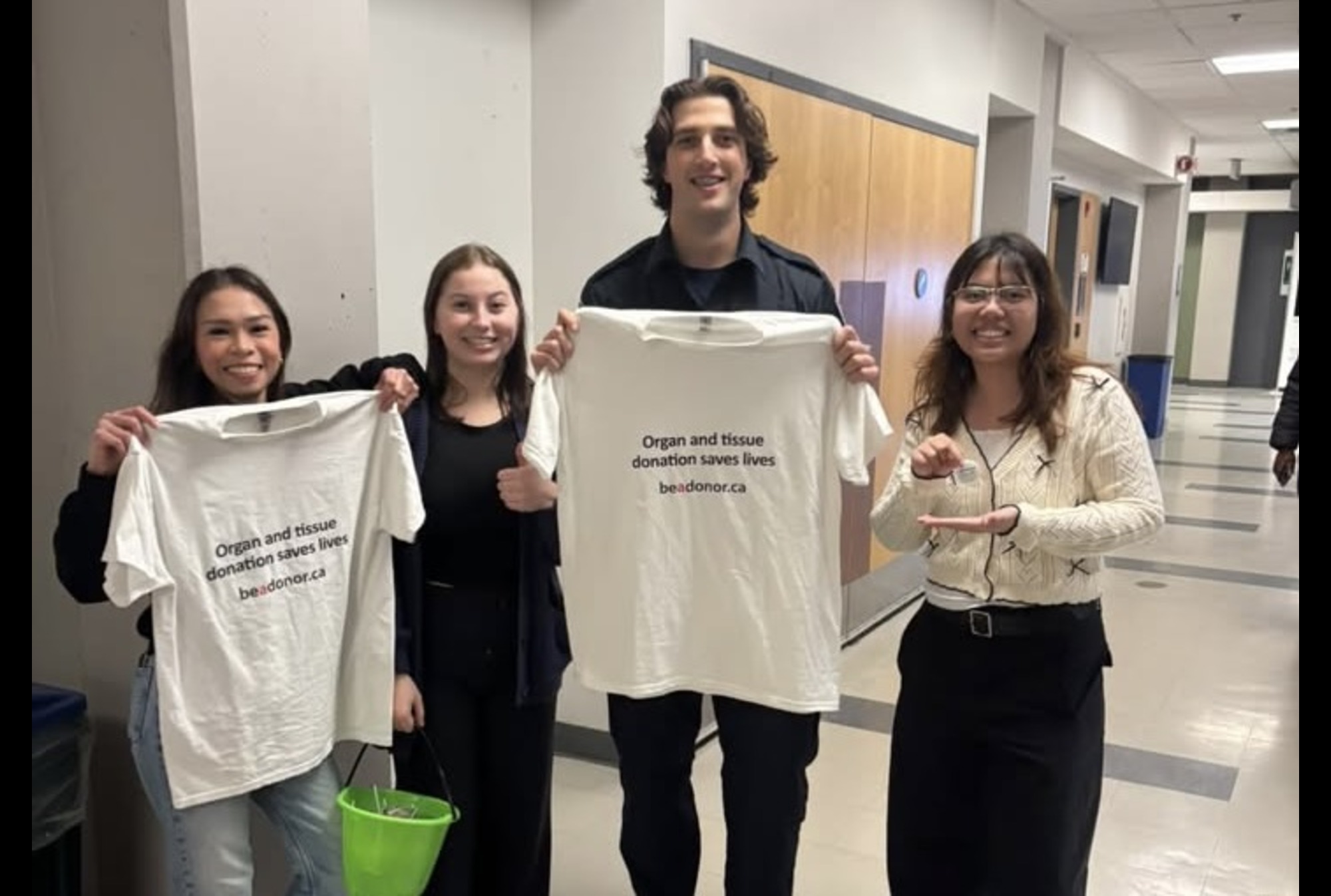
For two minutes at a time, fourth-year nursing students are asking students to consider a decision that could save someone else’s life: registering as an organ donor.
The students, who are in a collaborative nursing program between the University of Ottawa and Algonquin College, are completing one of their nursing community placements through SLiDE, part of Algonquin College’s Social Innovation Lab that connects students with community organizations to support projects through technology and innovation.
Their campaign called “The Best Gift Ever” aims to raise awareness about organ and tissue donation and encourages students to register as donors to hit their 2,500 donations goal.
“We have been doing this for the past seven weeks,” said Michelle Nicolas, a fourth-year nursing student. “One organ donor can save up to eight lives and tissue donation can save many more. So become a donor and you can impact the lives of so many people in a positive way.”
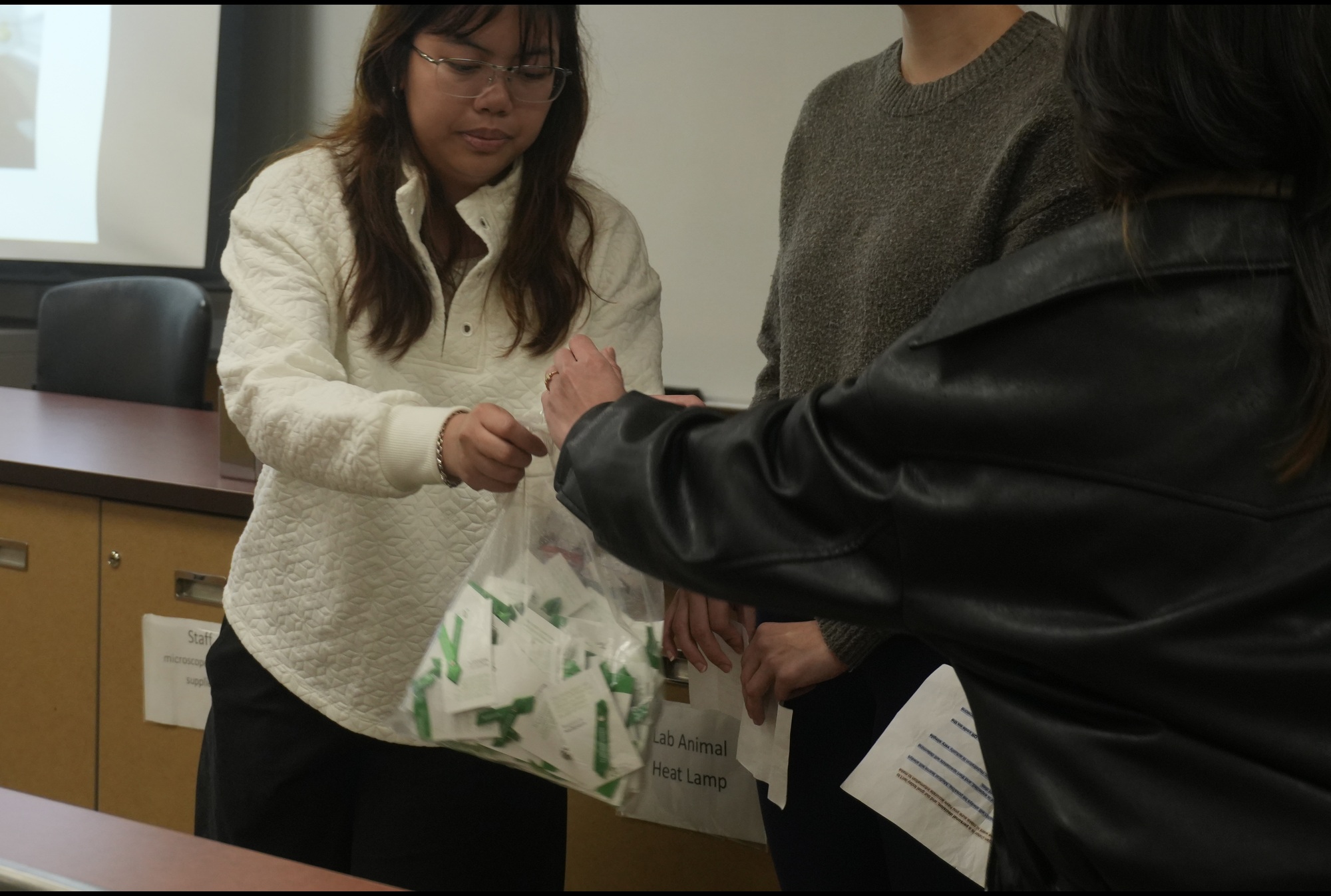
According to Nicolas, the team has been emailing program coordinators and professors across more than 30 programs to arrange brief classroom presentations where they distribute pamphlets and QR codes that allow students to register. The team also answers questions about the donation process.
The need for donors is significant. According to Canadian Institute for Health Information’s organ donation and transplantation statistics, 4,344 Canadians were on organ transplant wait lists with 31 per cent having died while waiting.
“There’s an increasing need for organ donation. There’s a lot of people on the organ transplant wait list which takes months to years to get an organ,” said Kassandra Equia, a fourth-year nursing student running the campaign.
For patients experiencing organ failure, transplantation can offer a longer term solution than temporary treatments.
Kushie Bajwa, a nursing student on the team, said options like a left ventricular assist device can help some cardiac patients while they wait for a transplant for a few years, but it does not replace the need for a new organ.
“There’s never not going to be a time where organ donation isn’t something that the sick people need,” Bajwa said.
Although not every registered donor will become an actual organ donor, Canadian Blood Services reports that only about one to two per cent of people who die can be considered for organ donation because of the specific circumstances required.
Eguia said medical teams conduct assessments to determine whether organs are suitable for transplantation and whether the circumstances of a person’s death allow transplant. In Canada the two circumstances a person must die under is neurological determination of death also known as “brain death” or donation after circulatory death.
“We recognize that just because you’re an organ donor doesn’t mean that your organs are gonna get transplanted to a person,” Eguia said.
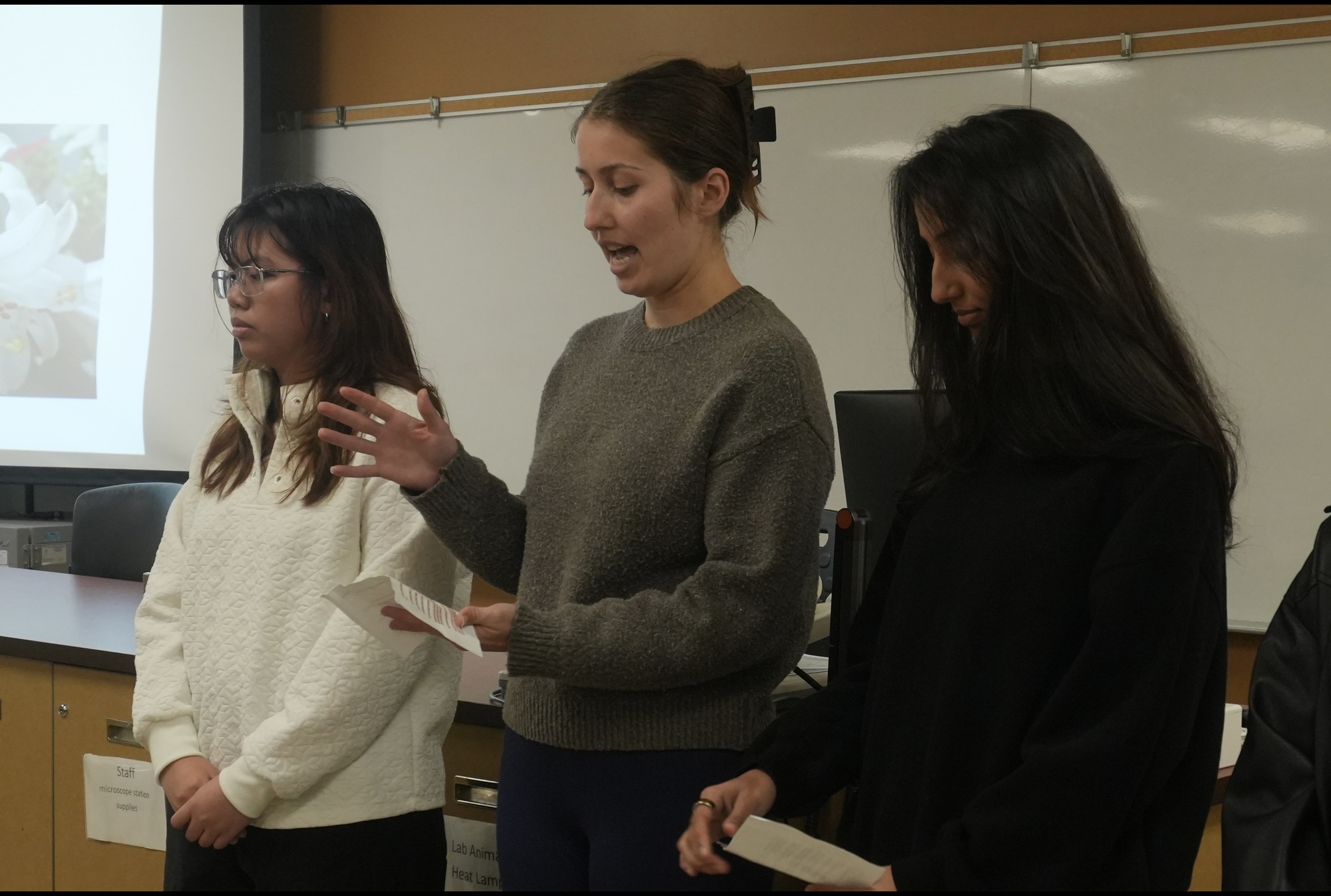
The nursing students say this is why increasing registrations matters. A large pool of potential donors creates more opportunities for eligible organs to reach recipients.
People can also indicate which organs and tissues they wish to donate when registering. For this campaign, individuals can record their donation preferences including whether they wish to donate for transplantation or research.
Kevin Holmes, a senior program manager of applied research at Algonquin College and the team’s preceptor, said his background in heart transplantation inspired him to support the project.
“Most people haven’t signed up to be organ donors and it’s the best kind of recycling,” Holmes said.
For the students, the message is simple: registering takes on a few minutes but the impact could last a lifetime.
“It could be your brother, your lover, your sister, your mother who needs an organ,” Holmes said. “Wouldn’t you want people to sign up?”