
Police foundations students serve the college community as members of the Student Safety Patrol
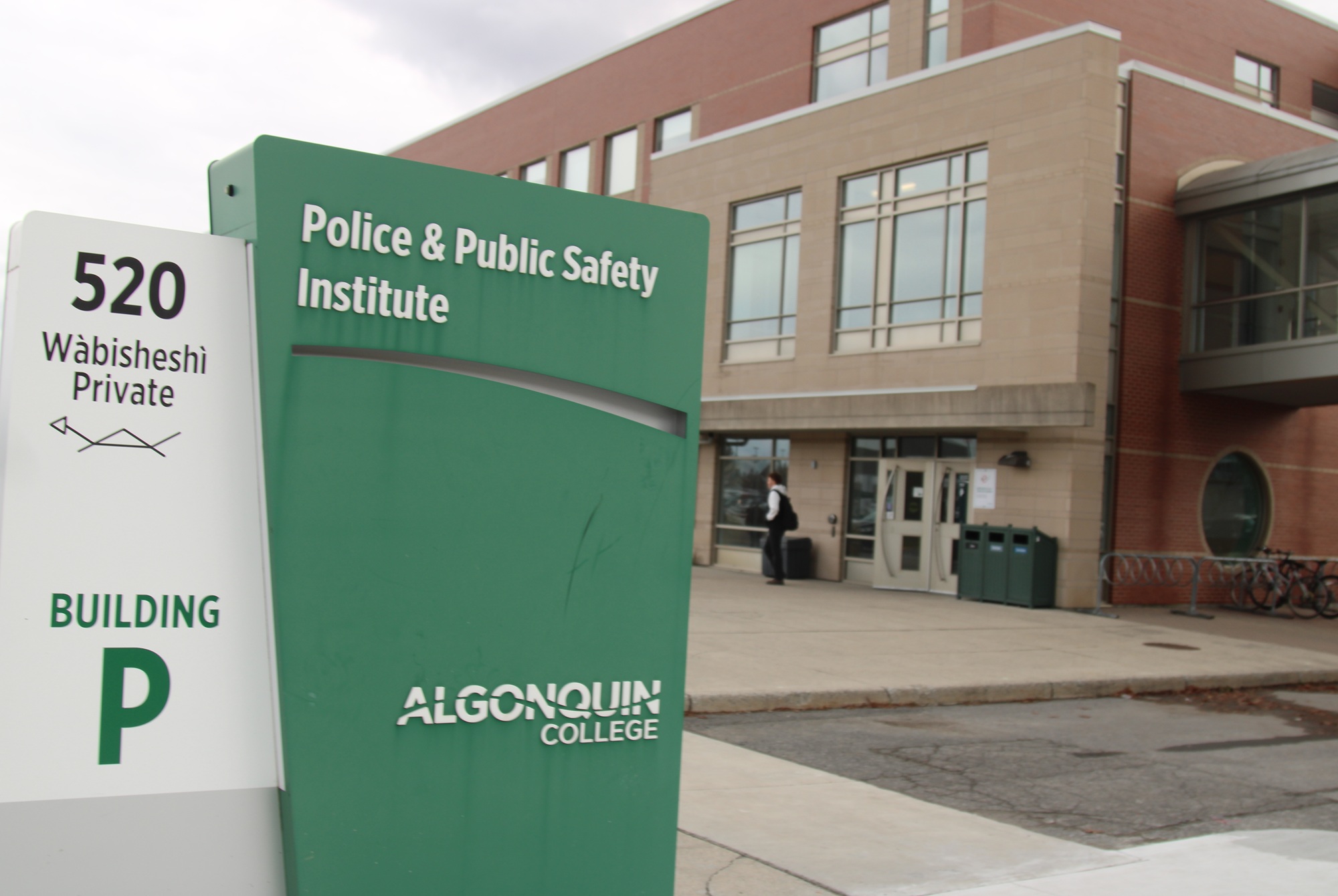
After a successful two-semester trial period, the Student Safety Patrol program has become an official opportunity for police foundations students to serve the Algonquin College community.
“We ran it for part of the winter semester, then the spring and summer semester,” says Lisa Roots, a professor in the police foundations program.
“This fall is the third semester that it’s going, only now it’s official.”
The program started on Oct. 30
Volunteers in the SSP program patrol the college grounds as “an extra set of eyes for the security team,” Roots says. “The role of the Student Safety Patrol is a ‘hands-off’ role, so it’s a lot of observing.”
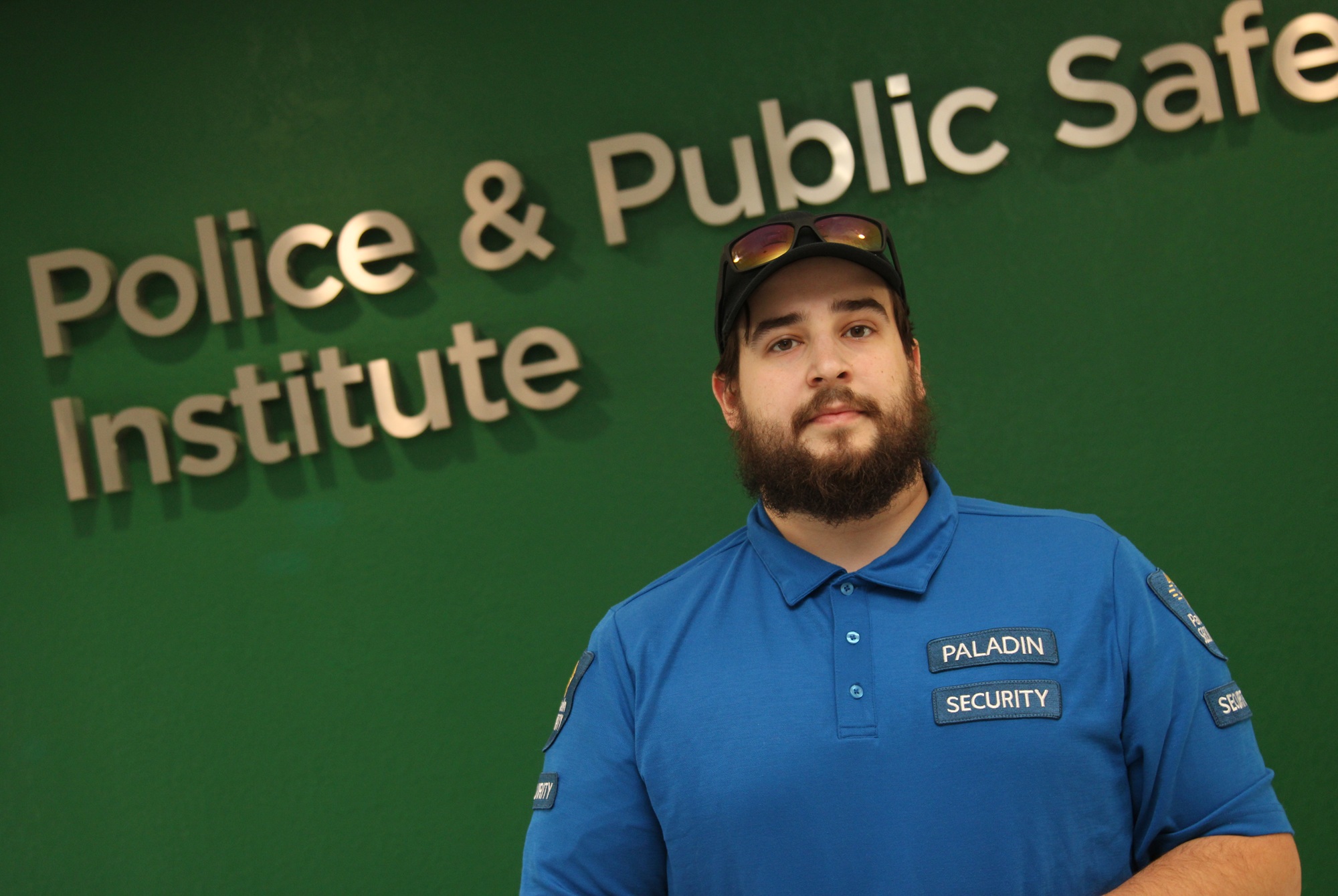
“Jokingly, I like to say that I’m a professional snitch in that sense,” says Dustin Meagher, one of the four paid members of the SSP.
“Pretty much the most I can do is telling people to quit smoking. That’s basically the extent of my authority in that scenario.”
The SSP was first pitched to police foundations program coordinator Jill Reeves in January 2026 by Algonquin College Security Services as a new opportunity for students to complete their compulsory hours of community service.
Reeves passed the proposal on to professors to see if it would fit well into the program.
“When this opportunity was presented to our program, it was a no-brainer for me. It was a win-win-win,” Roots says.
“It’s a win for our students, it’s a win for our program and it’s a win for the college.”

Roots says that in addition to being an excellent volunteering opportunity for students, the program has proven to be an effective way for students to learn outside of the classroom.
She says effective policing relies on the ability to take objective and factual notes, something she says members of the SSP are getting much better at while working in the field.
Muhsen Khan, a paid member of the SSP, says he had to practise a different skill.
“It’s been amazing. It’s helped me navigate some of my skills with communication and whatnot,” he says.
Roots also believes it’s an opportunity for students to fast-track their careers.
“For the volunteer time when they’re in this role, they’re really in a job interview, so to speak,” Roots says.
Members of the SSP are eventually able to be paid as a junior member of the Algonquin College security team, though their abilities for action remain much the same as their volunteer colleagues.
Currently, there are four paid SSP positions offered by Paladin Security, the security provider used by the college.
“I believe I was the first one to be on-boarded for the paid position,” Meagher says.
“I started working with them (Paladin Security) in July of this year as a paid SSP. I believe we’re up to four, maybe five of us in total as paid SSP’s.”
As for the pay, Khan says it’s well worth the work.
“I can’t really put a number to it, but I can definitely say that it’s good pay for a couple of shifts,” Khan says.
“If you’re able to pick up as many shifts as possible, it’s definitely worth it compared to a minimum wage job.”
Students who take part in the program are required to be on duty for a minimum of 40 hours.
Students are able to choose what shifts they would like to take and how long they wish them to be, with the minimum length being two hours.
Meagher believes being a part of the SSP program has opened up the door to a successful career.
Khan might agree with Meagher.
“I can’t wait to hopefully get a place here full-time after I graduate,” Khan says.
“It’s a really great opportunity.”