TikTok video highlights women’s health in all the wrong ways
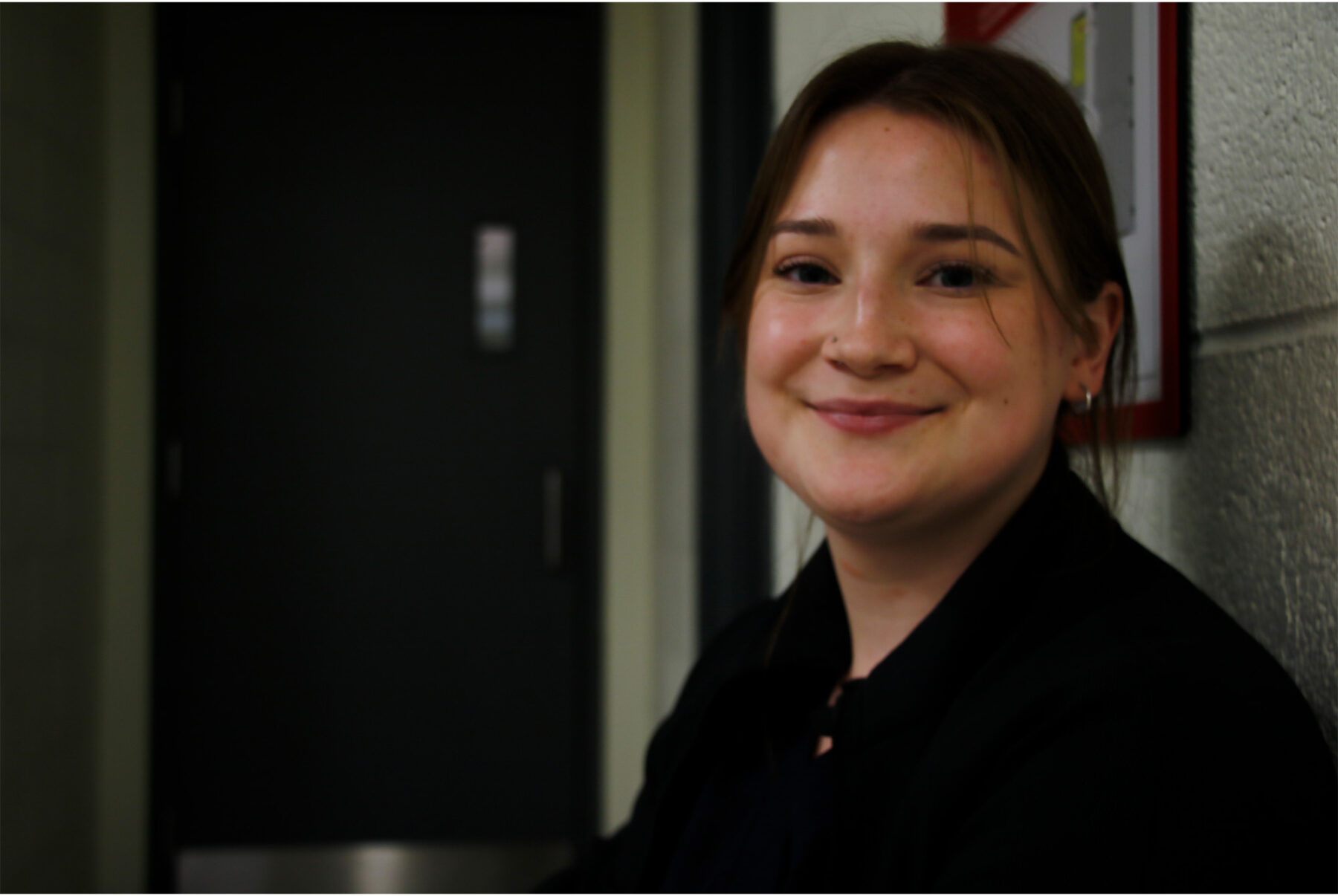
Rebecca Charman’s health hasn’t always been taken seriously by healthcare professionals. Between band-aid solutions and being denied diagnostic exams, Charman started to believe her problems weren’t real.
Now, a student in the Algonquin College respiratory therapy program, she saw a TikTok post that would make her reluctant to seek medical care again.
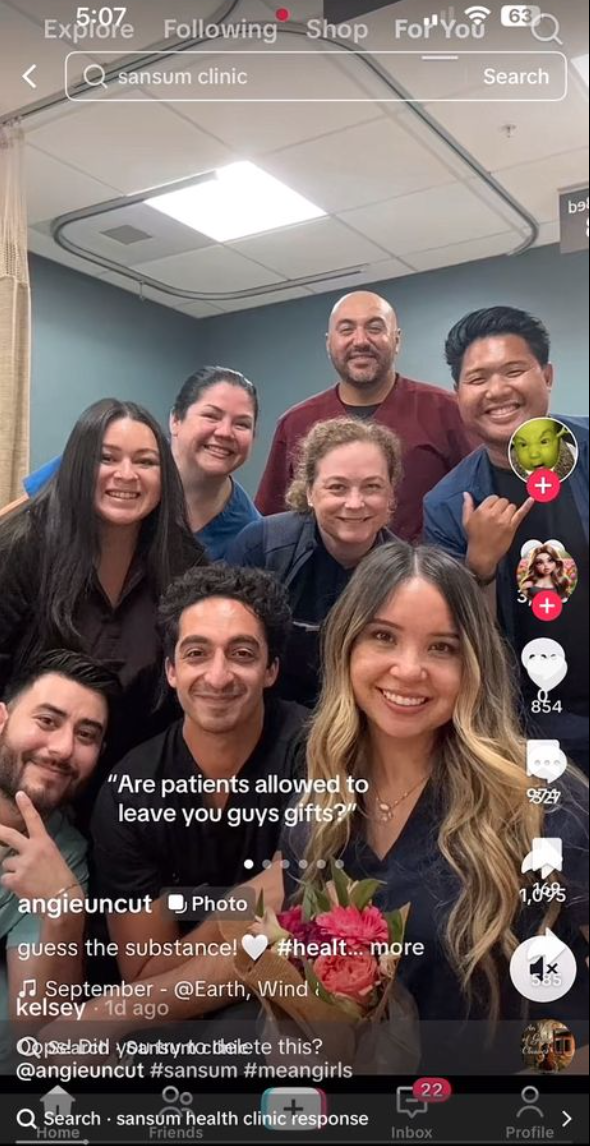
Over the Labour Day weekend, a TikTok captioned “Guess the substance” was posted by angieuncut, an account run by a former employee of the Sansum Clinic in Santa Barbara, Calif., a non-profit outpatient health organization owned by Sutter Health.
The post included several photos of OB-GYN clinic staff pointing, smiling and sticking out their tongue at residual fluids left by patients. The images were accompanied by text such as, “Are patients allowed to leave you guys gifts?” and “Make sure to leave your healthcare workers sweet gifts like these!”
The TikTok was quickly deleted after receiving online backlash that criticized the post for being unprofessional, unethical and demoralizing to patients’ privacy and bodies.
In response to the scandal, Sansum Clinic released a statement claiming the person who made the TikTok was not employed at the time of the post and that all staff shown in the photos were placed on administrative leave pending the conclusion of their internal investigation.
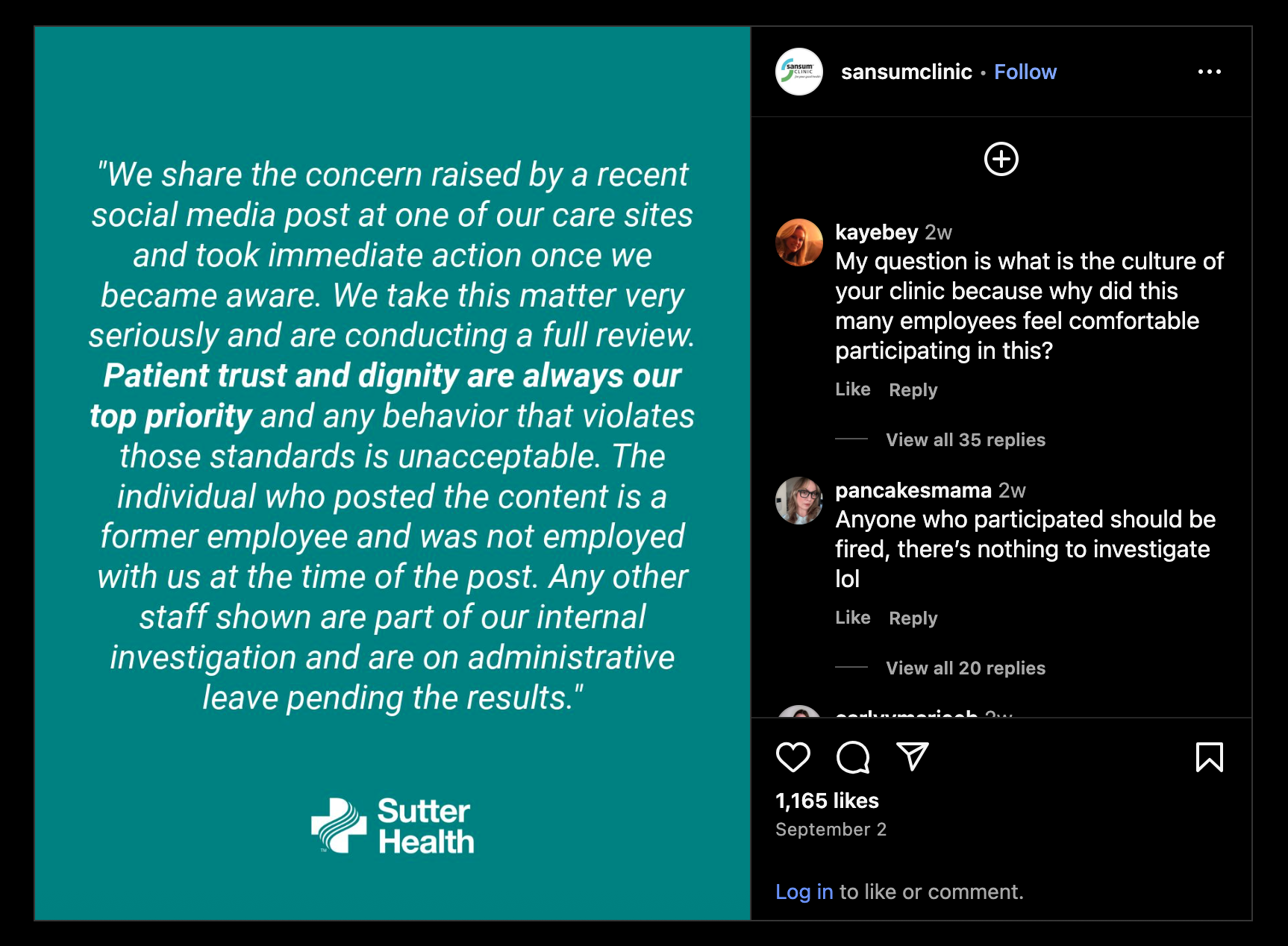
The involved staff have since been fired, with some online comments claiming they should have their licenses revoked as well.
Comments condemning the actions of the healthcare workers and screenshots of the original TikTok post have flooded Sansum Clinic’s Yelp review page, leaving the location with a 1.3-star rating.
Many of the comments criticized the female staff for their role in humiliating and stigmatizing the normal bodily functions of their female patients during vulnerable examinations such as pap smears, diagnosing and treating menstrual disorders, cancer screenings, pelvic exams and more.
For Charman, the video was disturbing to see as a woman in healthcare.
“To be treated that way, especially in a ‘safe-space’ for women by other women, it (the TikTok post) seemed very disgusting,” Charman said.
Charman didn’t just find the content inappropriate, but the ideology that the post perpetuated.
“It’s playing into this kind of stereotype that women’s bodies are naturally just kind of gross,” Charman explained. “People think periods are gross, body hair is gross and discharge is gross. So I think women promoting that and making a joke out of it is making women feel more ashamed of how their bodies naturally are.”
Although Charman acknowledged the potential for TikTok to make healthcare and knowledge more accessible, she believes patients are not content.
“I’d be so mortified,” Charman said, reflecting on the possibility of her medical visit being posted online. “I don’t think I would ever want to see a doctor again.”
Charman believes that the underrepresentation of women in medical studies, the stigmatization and the trivialization of women’s health concerns can make them reluctant to seek medical help.
Charman has experienced her own medical issues being taken lightly by doctors, “I have endometriosis,” she said. “For so long, I’ve been told by my doctors that my pain is normal and to just try birth control. It’s the worst feeling in the world to feel like you’re crazy for experiencing your own pain.”
Endometriosis is a chronic disease that causes tissue like the inner lining of the uterus to grow in other places of the body and can cause pain, fertility issues and fatigue. According to The Endometriosis Network Canada, at least one in 10 people with a uterus has the disease.
After years of being denied testing and dismissed with just a prescription for pain medication and birth control, Charman finally found an OB-GYN who gave her an examination. It took nearly seven years for her to receive a proper diagnosis.
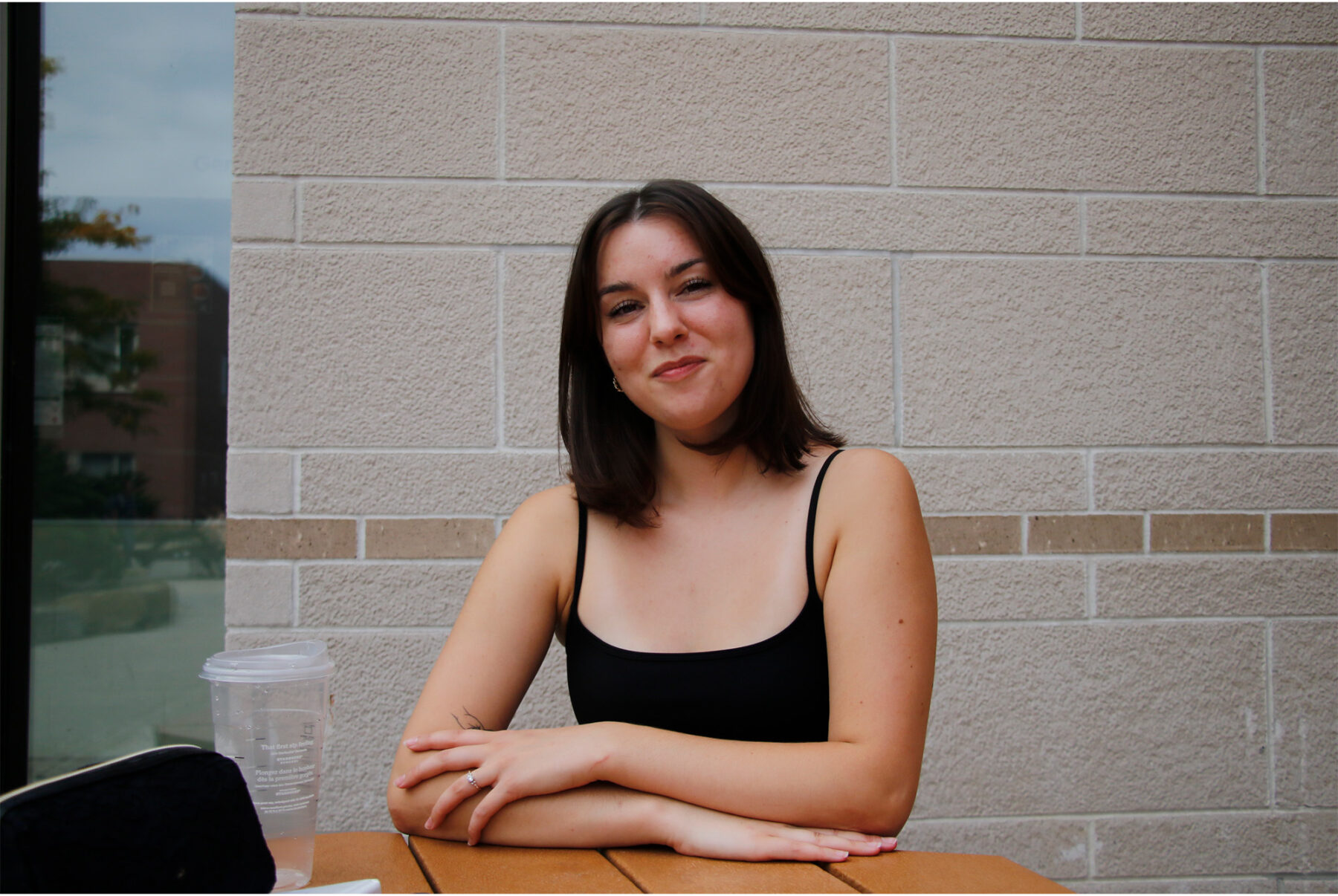
Pre-health student Mandye Boucher has also felt dismissed by doctors as a woman.
As a young teenager, Boucher expressed anxiety around her first pap test and asked for a female doctor to conduct the examination or at least be present in the room.
The male gynecologist denied her request.
“The gynecologist literally told me, ‘This is my job, I can do it as much as any other nurse in here, so I don’t see an issue with why you would want a female,’” Boucher said.
For 15-year-old Boucher, who didn’t know what the examination would be like, her appointment was an intimidating experience.
“I just wanted reassurance,” she said.
Now 25, Boucher makes it a point to be more assertive in asking for the accommodations that make her comfortable in vulnerable scenarios.
Myia Malcolm, a geographic information systems student, also feels that doctors’ appointments can be daunting.
“I think it’s already pretty scary talking to a doctor. I know it’s pretty intimidating for a lot of people, as it’s all an unknown,” Malcolm said. “You have no idea what’s going on. You don’t want to be told you’re dying or something is super wrong with you.”
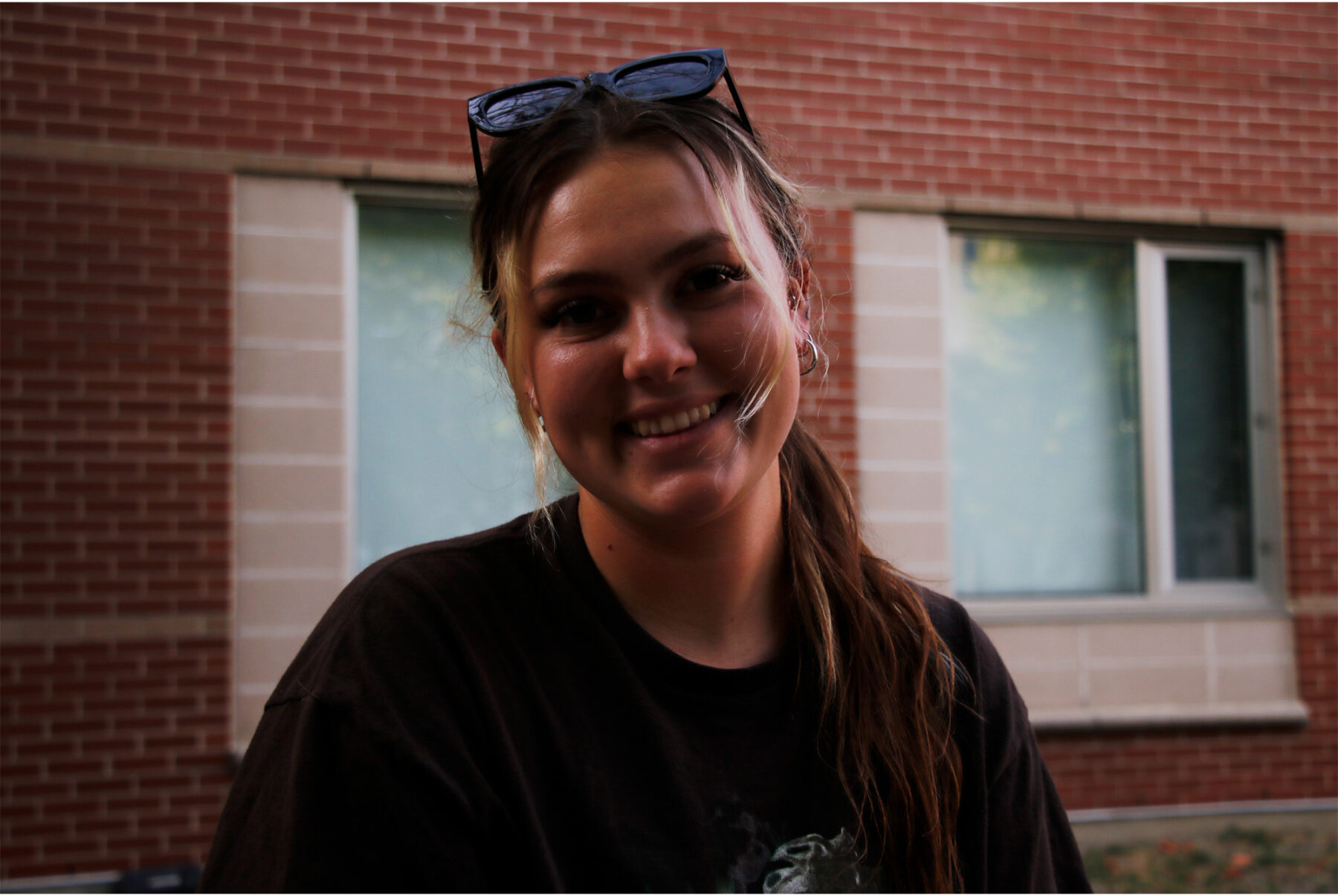
Malcolm believes that with advancing technology and social media, younger people will take their questions to TikTok or Instagram instead of their parents and doctors.
“The intimidation factor will only grow as people get older and as more people, like parents, talk less and less to their kids,” Malcolm said.
Although online platforms can be a positive resource for medical awareness, the spread of misinformation would be at the expense of women’s health.
“Those nurses who posted that TikTok, I think that isn’t helping our situation,” Charman said.
“I think women need to stand together…then we can make a lot of change.”