Algonquin College ‘reviewing’ discretionary funding for graduation parties
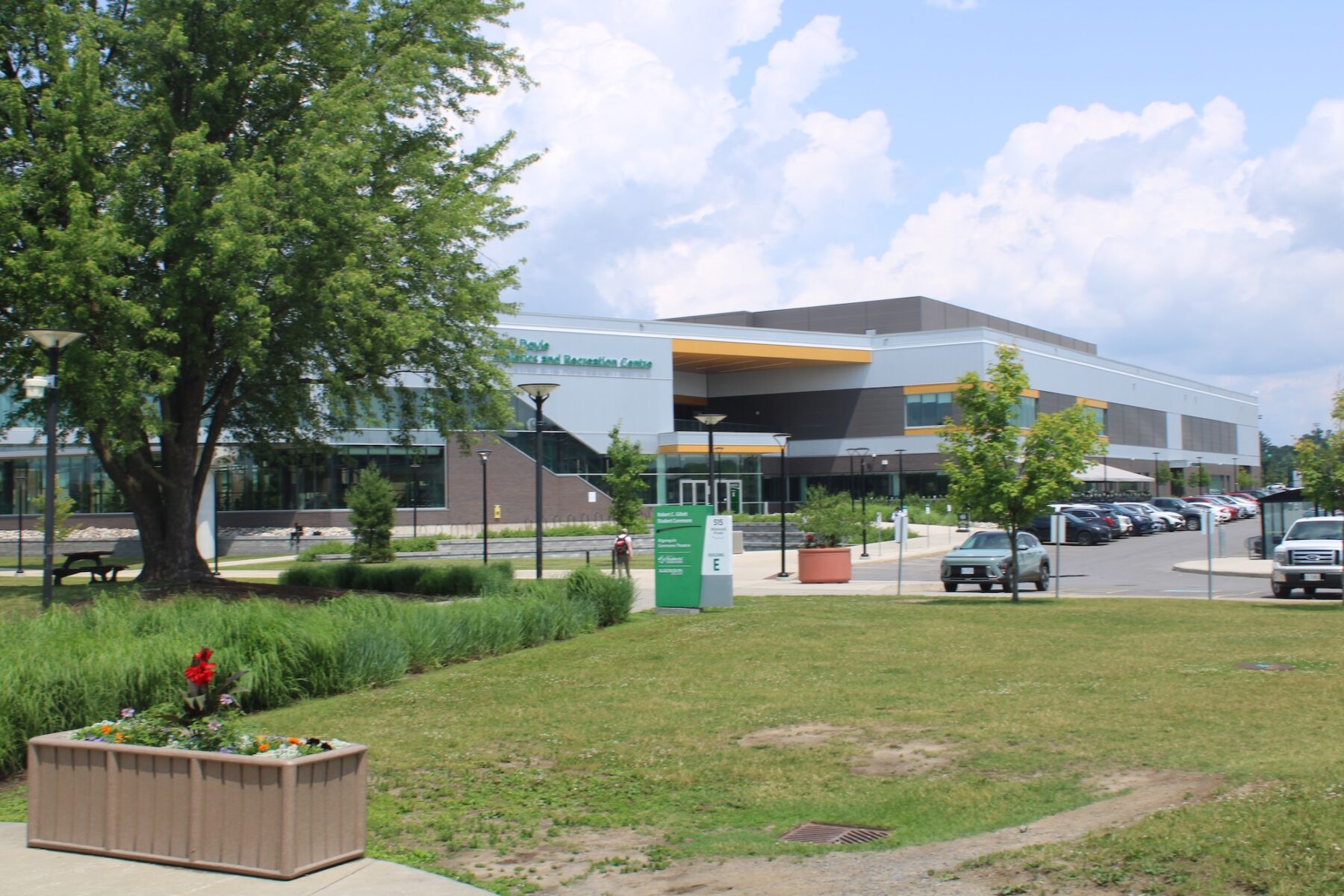
Convocation season at Algonquin College saw some programs told funding for graduation parties has been cancelled
Photo: Scott Crowell
Jack and Doyle building during sunny day on July 3

Algonquin College has made some big decisions this year with the closing of the Perth campus. Now more cuts have been made that affect the full graduation experience for Algonquin College students.

It seems more choices have been made that will affect the graduating experience for graduating students here at Algonquin College.

The Students’ Association has cancelled its special program that saw the school providing money to graduating classes to have parties to celebrate graduation.

Thirty seven program cuts will occur throughout the Pembroke and Ottawa campuses that will take effect after those classes graduate and those programs fade to dust.

The Students’ Association provided around $25 per student in that graduating program who requested to host a party with the help of the Students’ Association.

Chris Lackner, Senior Manager, Communications and Strategy, responded to the Times’s request for a statement on whether this was factual.

“The Algonquin Students’ Association is currently reviewing our model and process for supporting SA graduation funding. Resources have always been limited for this type of funding, and applications were evaluated on a case-by-case basis,” Lackner said in an e-mailed statement.

Graduating students here at Algonquin College are on the fence, but are unsure how to feel with the looming rumours.

Ashlee Earle, a graduating business-marketing student, is disappointed about the funding cuts.

“I am finishing my program this August, and we don’t even get convocation until next summer,” said Earle. “Me and our class rep have been looking forward to our own little grad party with the help of the school, but now we don’t even get that.”

Earle also states that with convocation being next year that the grad party doesn’t hit the same.

“Since our graduation is so far away, it really doesn’t feel the same if we had our convocation this year, along with a school-funded party, and it’s very disappointing,” said Earle.

Amanda Willsher, a graduating photography-content creation student, is frustrated by the potential party funding cuts as well.

“As a graduating student, it’s disappointing to miss out on the experience of a grad party that the school used to help out with,” said Willsher.
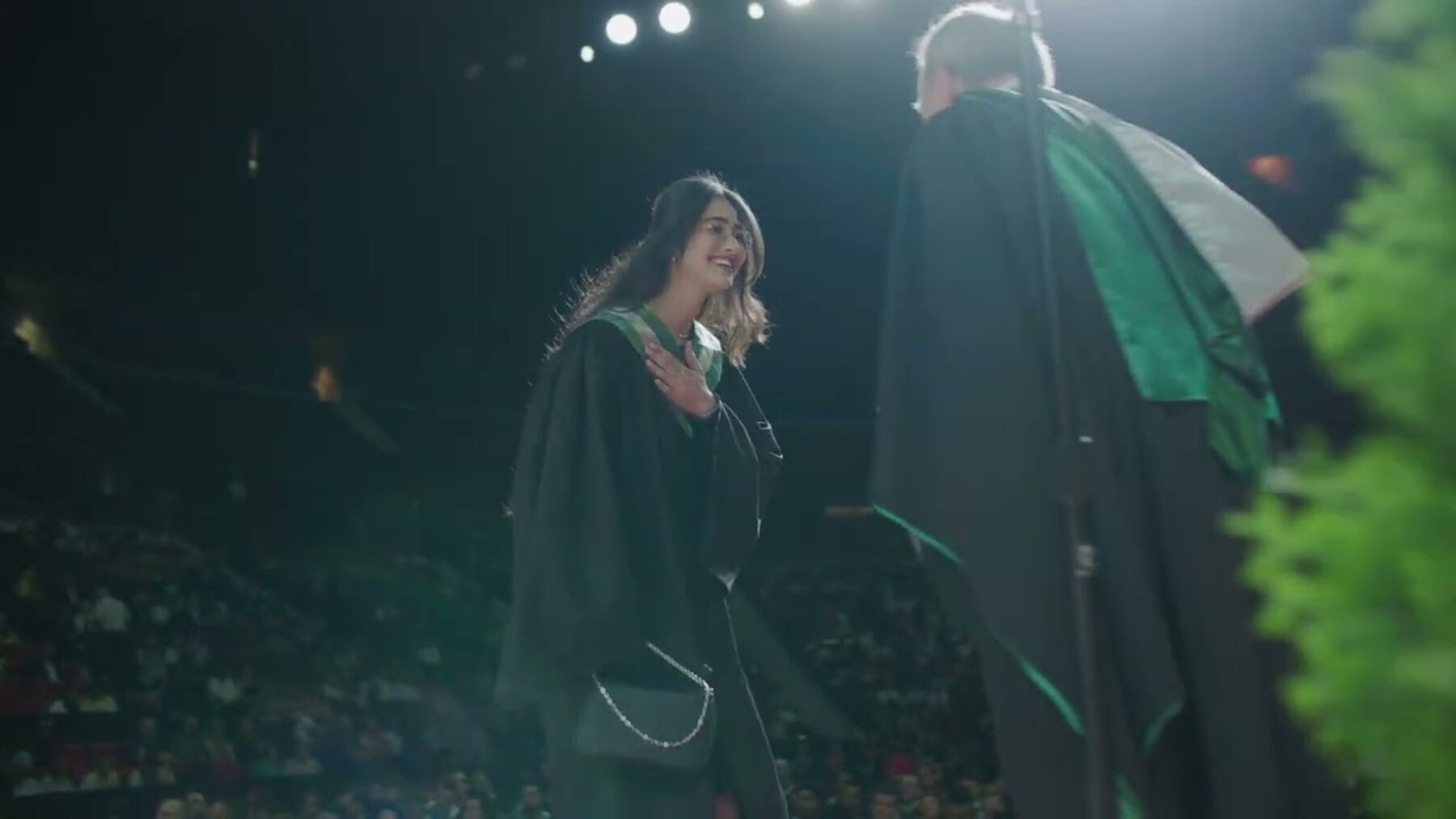
Students on Stage at Algonquin College Convocation

Willsher also reiterated that she understands it’s all about financial decisions, but still believes that Algonquin College should not cut party funding for graduation classes.

“Given Algonquin’s current financial challenges as of recently, it’s understandable that this may be something they need to cut; however, it’s disheartening not to have the school’s help to celebrate the journeys we all took together,” said Willsher.

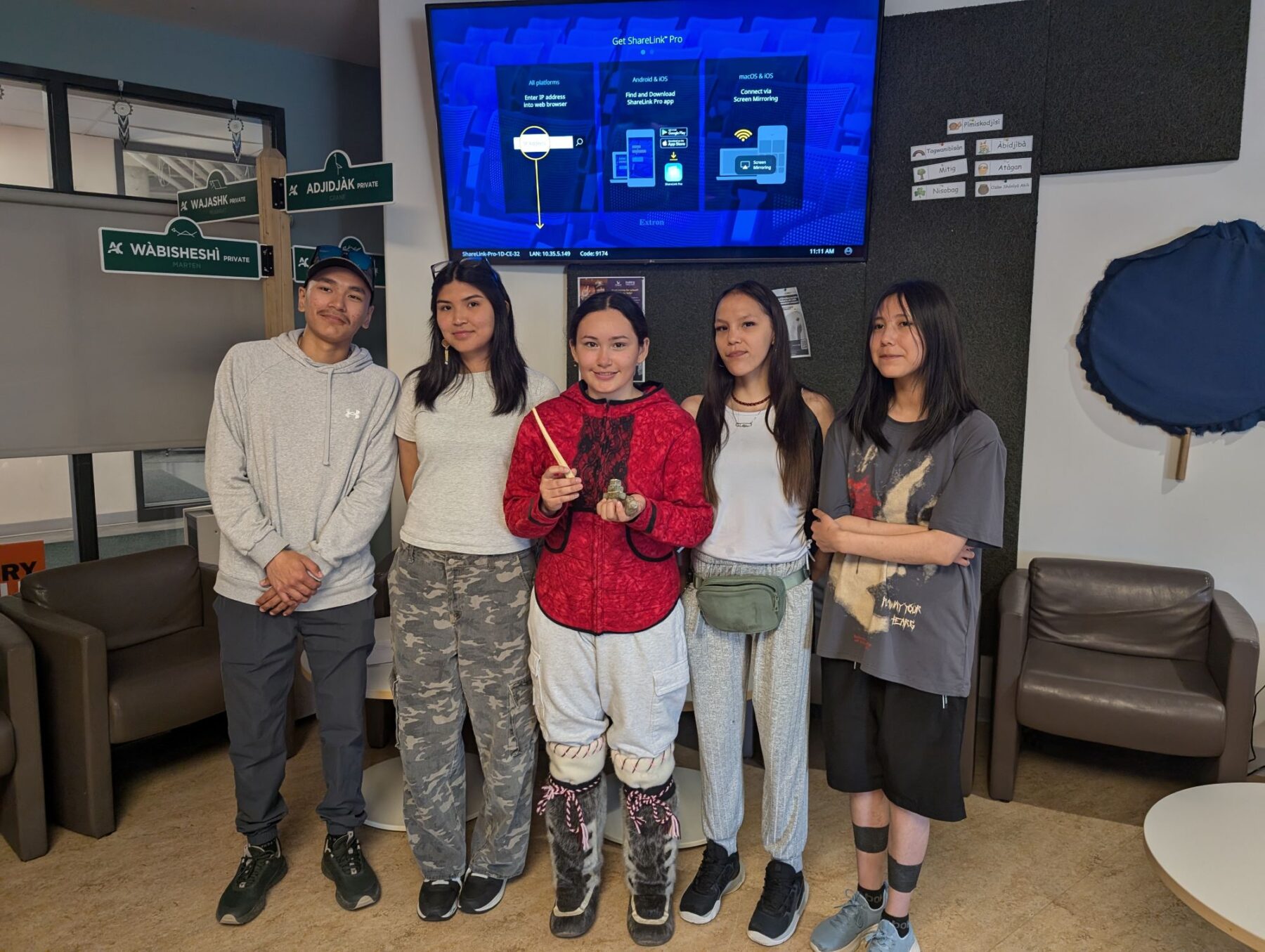
Indigenous youth bring the spirit of northern life to Algonquin College campus

Leg-wrestling, an ancient sea-goddess and seal sculptures -- Indigenous youth from Nunavut and Northwest Territories shared what home means to them
Photo: Vasuman Ravichandran
From left to right, Ernie Lyall, Hailey Basil-Grandejambe, Cadence Okalik, Latisha Porter and June Sapariel.

The Mamidosewin Centre hosted a morning of northern folklore, fun and fascination earlier this month, as Indigenous students from Nunavut and Northwest Territories made the trip down to Algonquin College to present a showcase of life in the tundra.

Designed by The Northern Youth Abroad Program, the trip gave them an opportunity to travel, learn and share their stories. Hailey Basil-Grandejambe and June Sanspariel from Northwest Territories, and Ernie Lyall, Latisha Porter and Cadence Okalik from Nunavut spoke about their daily adventures living in their Indigenous communities, accompanied by pictures of the native northern lifestyle.

Lyall, 20, began the presentation describing the animals native to his arctic hometown, Taloyoak, Nvt. His pictures revealed musk oxen, wolves, polar bears, caribou, Canadian geese, beluga whales, bowhead whales and ringed seals.

“My dad and me go hunting for caribou or musk ox, which we eat. Some of us, we hunt wolves too, but we don’t eat them, we just use their fur,” said Lyall.

Hunting in the Arctic requires patience, and that’s where the knowledge from elders in the community is invaluable. Young Inuit like Lyall offer their catch to the elders first, to show gratitude.

“When I go fishing with my dad, we can catch around 200 fish, and that takes about ten hours,” said Lyall. “We use a rifle or a harpoon to catch seals in the winter. But you have to be very quiet and careful. Even the slightest sound of you walking on the snow can scare them.”

Cadence Okalik, a 19-year-old from Whale Cove, Nvt., giggled as she revealed how small her community is – just 470 to 500 people.

“I like to eat beluga whale meat,” Okalik said. “It’s a little chewy. You can eat it raw, bake it, boil it or dry it.”

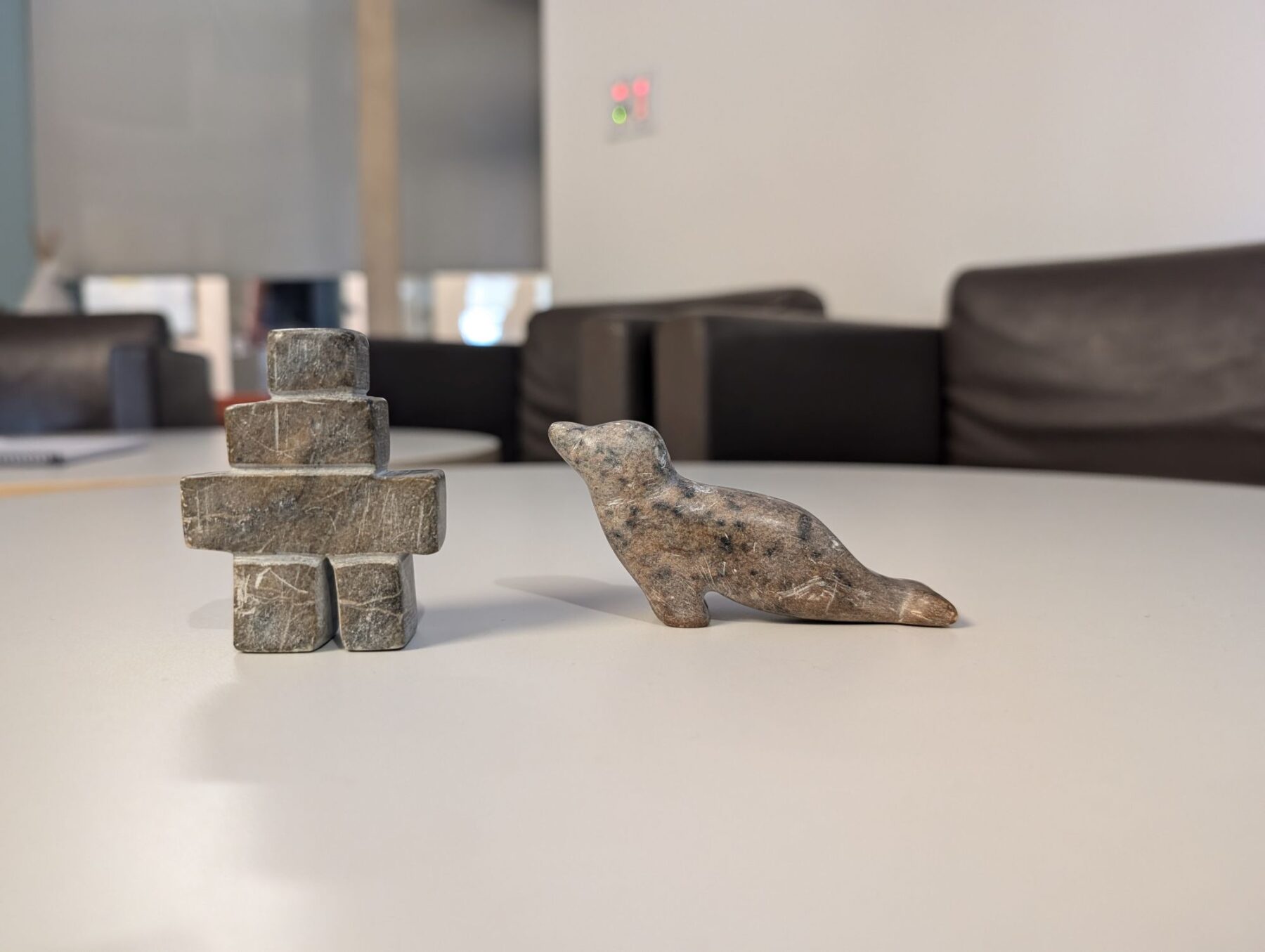
She then passed around artifacts for the audience to get a closer glimpse of Inuit culture- a narwhal tusk and elegant soapstone sculptures of a seal and an Inukshuk that she had crafted in school.

An Inukshuk and a seal sculpture, carved out of soapstone by Cadence Okalik
An Inukshuk and a seal sculpture, carved out of soapstone by Cadence Okalik. Photo credit: Vasuman Ravichandran

“Inukshuk means in the likeness of a human, in English. Inukshuks are used as navigation tools for marking, hunting or for fishing locations. They also indicate places of memorials,” said Okalik.

Following the presentation, everyone gathered at the Mamidosewin Centre had a chance to watch and participate in traditional Inuit games with the team.

One game involved taking a run-up and kicking a ball that was suspended at a height with a rope. With each successful kick, the height of the ball is increased and the highest kicker wins the game. But here’s the catch. The kicker has to land on the same leg they use to kick the ball.

“There’s a man in my hometown who can kick 13 feet!” said Okalik.

Another traditional game, the Inuit leg-wrestle, involved two people lying down, parallel to each other, with their heads on opposite sides. They locked their arms at the elbow for stability. Then, each wrestler lifted one leg to tug at the opponent’s leg and they tried to flip each other over.

Porter and Okalik also went head-to-head in musk ox wrestling as shown in this YouTube video.

An enduring theme that shone throughout the presentation was the connection to the land and the reverence for the forces of nature that are at the core of northern Indigenous cultures.

Lyall spoke about Sedna, the Inuit goddess of the sea, who governs over the animals that are essential for survival in the Arctic.

“In Nunavut, there is a saying that if we are harming our land, she won’t give us animals, but if we’re protecting our land, she’s going to give us more catches,” said Lyall.

Algonquin College’s convocation policies silence students, say experts

Vice President of the Palestinian Canadian Congress and legal clinic lawyer, James Kafieh says  students need to be congratulated on their leadership during this historic event; the genocide in Gaza
Photo: Janella Milord Ashford
Farida El-Sharkawy holding a Palestinian flag in solidarity.

On June 19, a graduate of the film and media production program planned on walking the convocation stage with her Palestinian flag, but before doing so, an Algonquin College staff member tried to rip it out of her hands, according to a video posted on social media.

Rama Al Zu’bi found herself in a confrontation caught on camera, shared on social media and viewed by millions.

Screen grab of the incident taking place at the Canadian Tire Centre during Algonquin College's 2025 convocation.
Screen grab of the incident taking place at the Canadian Tire Centre during Algonquin College's 2025 convocation. Photo credit: Screen grab of video by Rama Al-Zu'bi

Al Zu’bi declined to comment on the incident to the Times, but the policy issues at play affect more than just the one student, say experts.

The college declined an interview but In a statement to the Times, said “Graduates were informed in advance of venue policies — including restrictions on posters, banners, signs, and all flags.”

The college said graduates were allowed to personalize their stoles.

“Convocation is a meaningful celebration, and we asked all attendees to honour the spirit of the event,” the college said. “In keeping with venue rules, flags were not permitted inside.”

The college, however, said “some flags were missed during security screening.”

The statement concluded with the college saying it is proud of all its graduates and regrets “any distress the enforcement of these rules may have caused.”

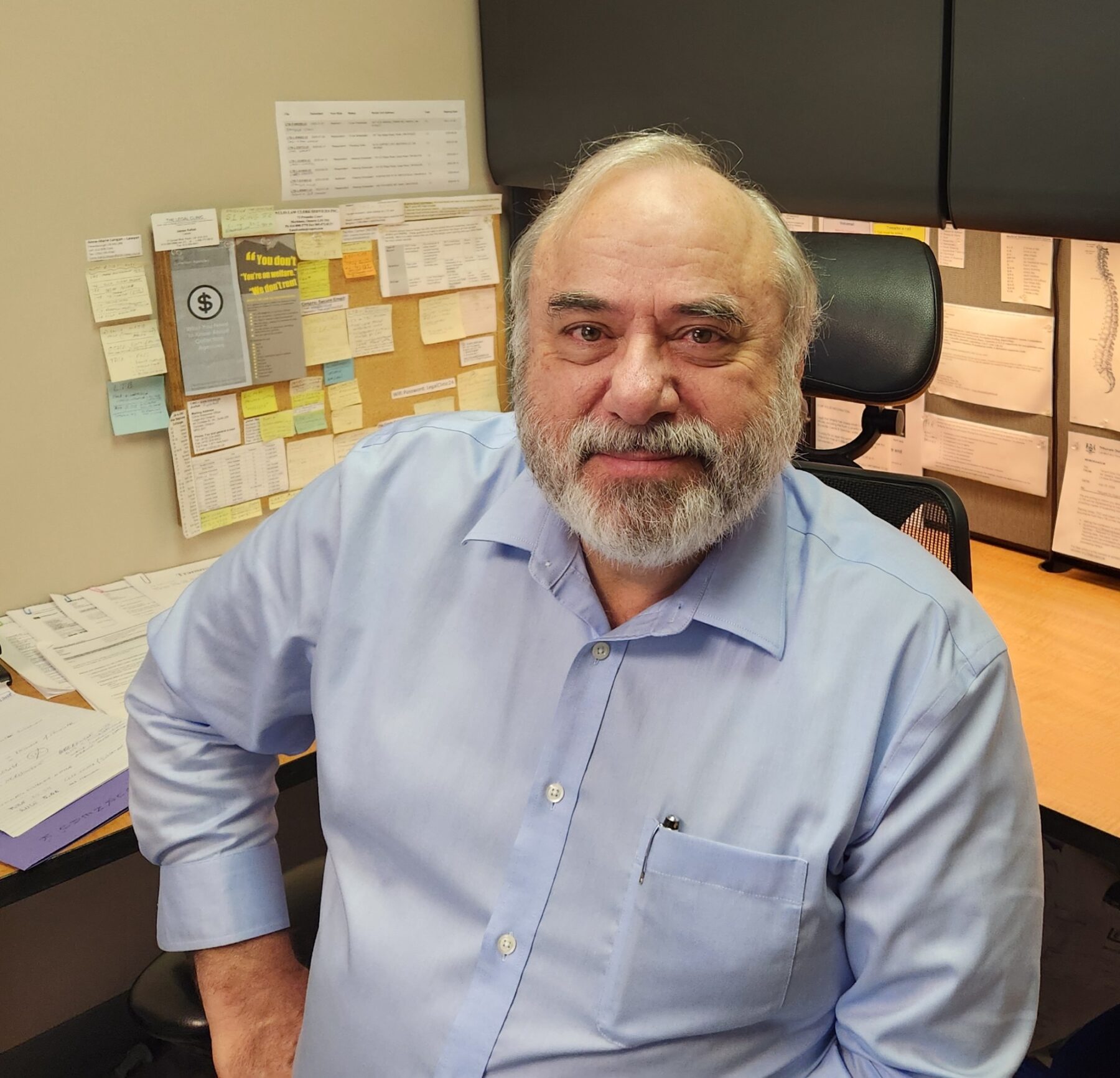
Palestinian Canadian Congress vice-president and legal aid clinic lawyer, James Kafieh, is not surprised about this incident and says this is what suppressing the Palestinian identity looks like in practice. The PCC is a non-profit organization focused on advocating for the interest of Palestinian Canadians.

Photograph of PCC's VP, James Kafieh.
Photograph of PCC's VP, James Kafieh. Kafieh believes high schools, colleges and universities work towards creating compliant citizens. Photo credit: Picture provided by James Kafieh

“ There is no justification for this. The administration should be ashamed of itself, and that staff member will have to live with his part. I’m glad the Palestinian student showed moral fibre that the administration did not show that day, and retained control of the Palestinian flag in spite of that interference,” said Kafieh. “The attack was on our community as well, at a time where, we’re experiencing a genocide.”

Al Zu’bi isn’t alone. There have been other moments where students or staff members are reprimanded for showing pro-Palestinian support across the country.

During an Ottawa Carleton District School Board meeting on April 8, Trustee Nili Kaplan-Myrth, who has since resigned, stated, that the slight view of a Keffiyeh, the traditional Palestinian scarf, worn by a committee member, was an act of aggression. Students from the Park West School in Halifax, N.S., said they were also told not to wear the Keffiyeh, during the school’s culture day.

Kafieh believes these acts prove that Palestinian history is under attack in our school systems.

Teacher and writer, Michelle Weinroth, who is also a representative for Independent Jewish Voices believes this was an act of aggression and the school should’ve given the student space for conversation instead of escalating the situation.

“Increasingly, many Jews are distancing themselves from the mainstream pro-Israel camp,” said Weinroth. “Given what is transpiring in Gaza, these Jews of conscience feel morally obliged to speak out and show solidarity with their fellow human beings – with Palestinians both here and abroad.”

Farida El-Sharkawy proudly posing with a Palestinian Flag.
Farida El-Sharkawy proudly posing with a Palestinian Flag. Photo credit: Janella Milord Ashford

Algonquin College does have a policy on flying flags on campus (AD22). That policy indicates the college will only fly government flags but no other flags to avoid showing preference to any particular group. AC confirmed that the Canadian Tire Centre, where the convocation was held, also had rules not allowing flags during many events like convocations.

Algonquin College will be launching a real estate salesperson program in the fall

A local realtor shares what it takes to succeed in real estate
Photo: Mickey Banks
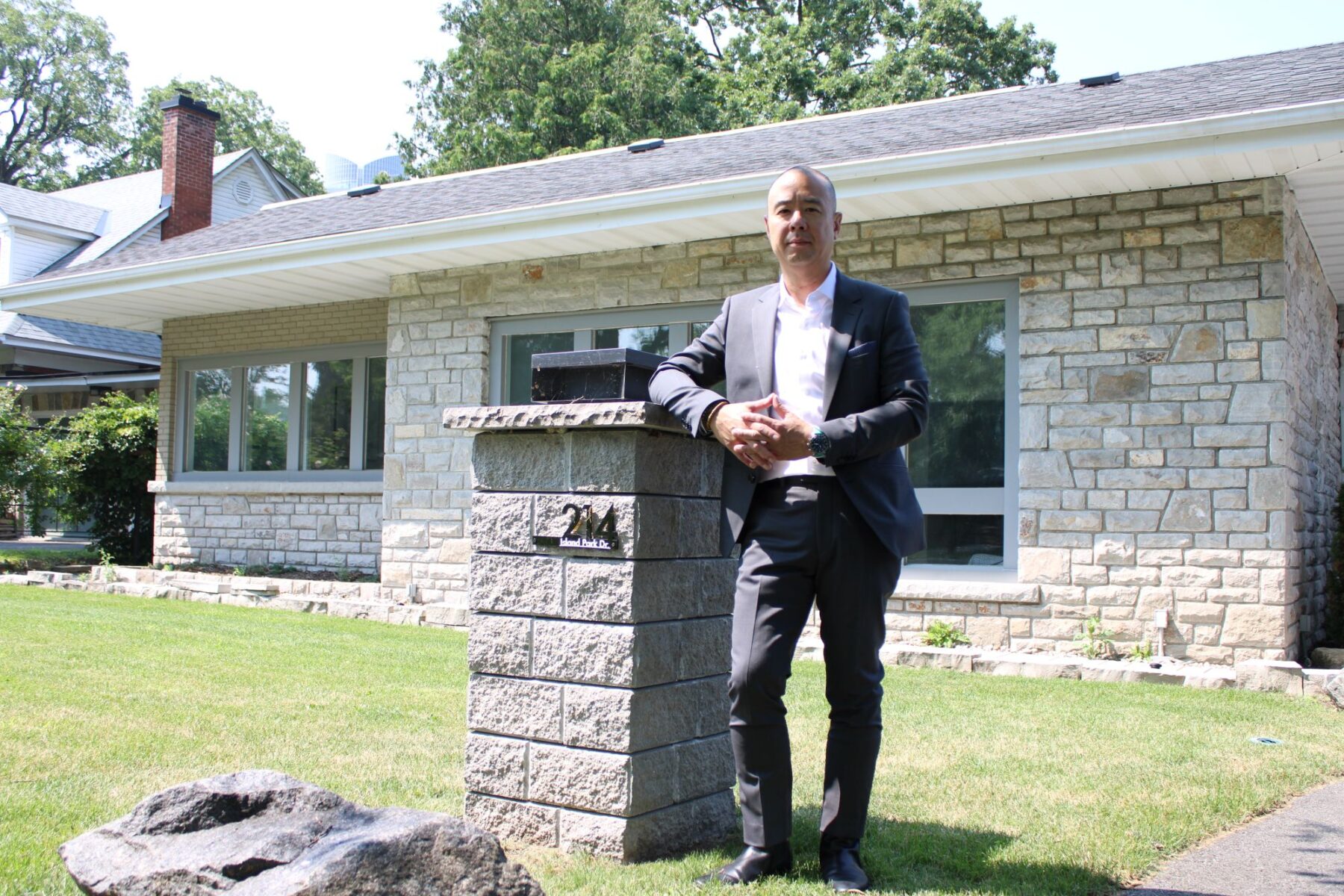
Raymond Chin standing outside a house for sale on Island Park Dr.

Starting this fall, Algonquin College will begin offering a real estate salesperson program, making it just the fourth college in Ontario to do so.

On Mar 6, the Real Estate Council of Ontario, which regulates real estate agents across the province, announced its approval for the college to begin its online course. The program will cover foundational knowledge, real estate essentials, and key legal and ethical responsibilities, according to the college’s website.

Alongside this, the college will also offer a real estate broker program. A real estate broker supervises salespeople, real estate transactions and can run their own brokerage or business.

So, what could this mean for Ottawa?

Raymond Chin, who has more than 19 years of experience in real estate, says this “opens another door,” expanding career options in Ottawa beyond civil service.

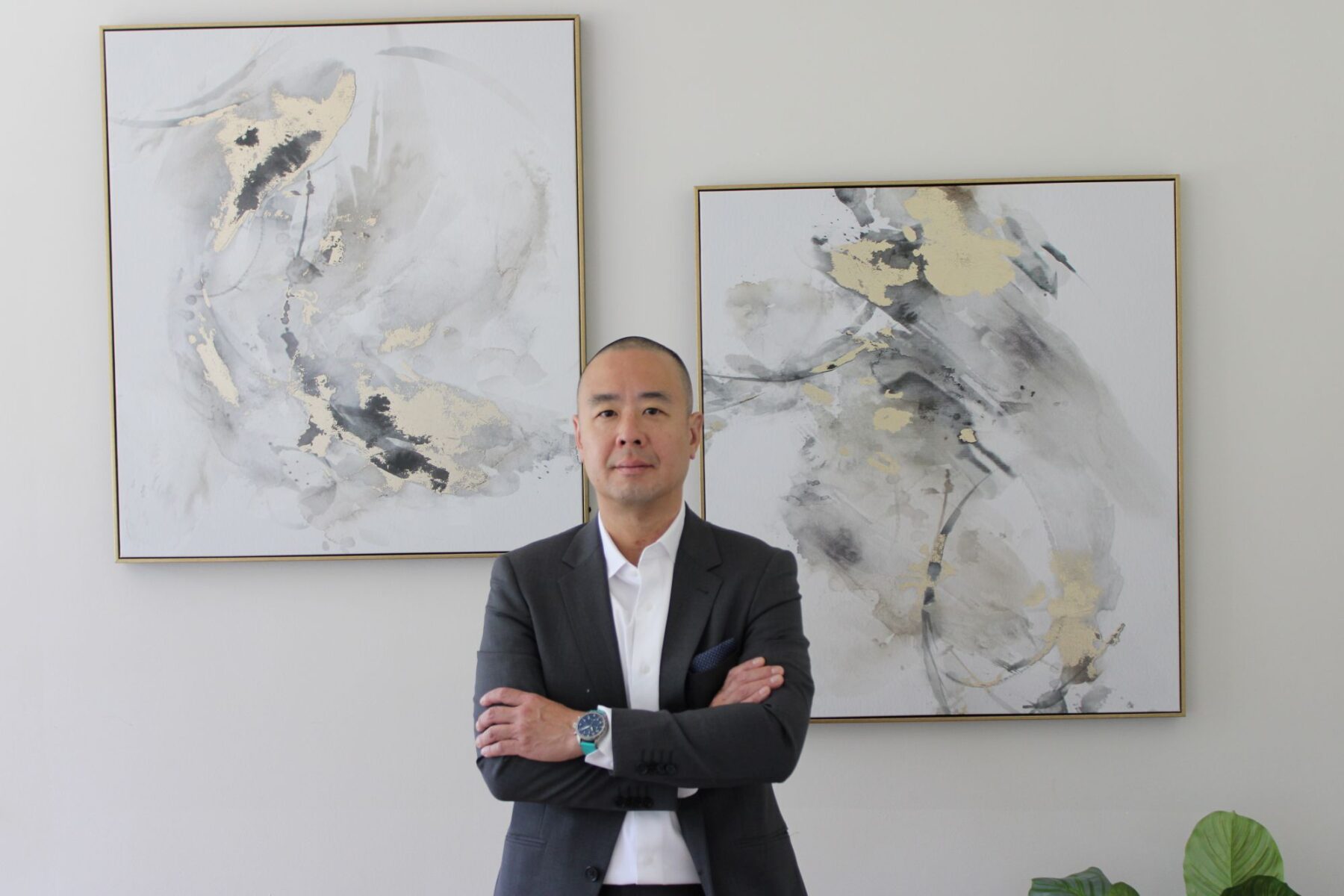
Raymond Chin says succeeding in real estate takes consistency and discipline.
Raymond Chin says succeeding in real estate takes consistency and discipline. Photo credit: Mickey Banks

According to the Government of Canada, as of 2025, there are almost 130,000 civil service workers in the National Capital Region, representing about 10 per cent of the population.

When it comes to finding opportunity in Ottawa, Chin believes anyone willing to put in the work has a chance to thrive.

“When you’re self-employed, there’s always opportunity,” Chin said.

So, what does it take to succeed as a realtor?

For Chin, the core skills required in real estate are listening and people skills, having a solid grasp of the market and knowing how to advise clients.

“Real estate is not rocket science, anyone can do it,” Chin said. “But essentially, if you have those minimum core skills, as I mentioned earlier, anyone can do well. But a lot of people don’t do well in this business because they’re not consistent, they’re not disciplined, or they just have no interest in this kind of business, which is helping people manage their biggest assets in their life, which is real estate.”

Summer solstice event marks traditional start of season

On June 21 and 22, Wesley Clover Park held the Summer Solstice festival for National Indigenous People's Day
Photo: Skyla Murray
Scott Sixkiller Sinquah, a hoop dancer, performed on June 22.

Hundreds of people came together at Wesley Clover Park to celebrate Canada’s rich Indigenous culture and history at the Summer Solstice festival.

The summer solstice is the longest day of the year. It falls on June 21st, which also happens to be when National Indigenous Peoples’ Day is celebrated. It is a day filled with the celebration of First Nation, Inuit, and Metis culture. While Algonquin College was closed that weekend, an event to celebrate National Indigenous Peoples’ Day was held at Wesley Clover Park for the weekend of the solstice.

“The reason why we don’t do a lot in the summer is because our student numbers are a lot lower all across the college. So in the winter, historically for the winter solstice, we’ve done a student feast. In the summer, we have in the past as well, but this year the solstice fell on a Saturday, and so we didn’t have anything for it,” said Summer Wabasse, who attended the event.

Wabasse went on to say that the Summer Solstice is so culturally significant to Indigenous people, and its celebration differs from culture to culture. This significance stems from it being the longest day of the year, and a day for Indigenous people to celebrate their heritage.

Algonquin staff and students attended the event at Wesley Clover Park, which had dancing, vendors, food, and many other unique cultural activities such as drumming and a competition powwow.

This is a video link of the powwow on YouTube.

Wabasse said she attends the Summer Solstice celebration every year and enjoys many of the festivities, such as dancing and crafts.

“It’s such a large-scale event. They always have so much stuff going on. I really like how they do a separate children’s stage. Obviously, a lot of indigenous people have families, so to have puppet shows and traditional crafts and stuff going on at the same time is super cool. Personally, I always go for the vendors. I love looking at all the crafts and all the food,” said Wabasse.

One of the hoop dancers present at the event was Scott Sixkiller Sinquah, an Indigenous hoop dancer from the United States, who spoke about supporting community.

Scott Sixkiller Sinquah, a hoop dancer, performed on June 22.
Scott Sixkiller Sinquah, a hoop dancer, performed on June 22. Photo credit: Skyla Murray

“Look out for one another, be positive, be good to each other. We all need each other to survive. We’re all part of one human family. Take a look around you right now. We don’t all look the same. When we go home, we probably speak a different language, but be proud of who you are. Represent yourself well. Remember where you come from. When you’re out there, you’re not representing just yourself, but your people, as well as your family,” said Sinquah.

Production company offers Algonquin College students hands-on experience at Bluesfest

AC students volunteer as camera operators with Ably Productions at Bluesfest, gaining practical experience
Photo: Matthew Grieve
Bluesfest main stage, July 16th, bustling with a crowd enjoying the performances.

Algonquin College has partnered with Ably Productions for several years, offering students the opportunity to volunteer at major events like this month’s RBC Bluesfest to gain hands-on experience and fulfill their volunteer hour requirements.

Ably Production is an event production company specializing in audio, video coverage, design, and production. They provide gear, video directors, and camera operators for most of the major music festivals in Ottawa, like FrancoFest, JazzFest, Bluesfest, and CityFolk.

Every spring, Ably Production does a presentation at Algonquin College in hopes of recruiting new members. Usually, they attract 25 to 30 students from the television, broadcasting, and film programs.

Daphnee Perron, a student in Algonquin College’s broadcasting program, volunteered as a camera operator for Bluesfest with Ably Productions.

Daphnee Perron, July 16, at her workstation as a camera operator on the Riverside Stage.
Daphnee Perron, July 16, at her workstation as a camera operator on the Riverside Stage. Photo credit: Matthew Grieve

“I think I would come back, especially for this company, […] working at a festival like this is honestly the most fun experience you can have,” said Perron when asked if she would come back after her volunteer hours were done. “Some shoots can be boring, like a talk show about something you’re not interested in, like politics, for example. But at a music festival, it’s different. Anyone could have fun here. It’s definitely the most exciting way to get hands-on experience.”

Jordan Mills, another broadcasting student volunteering as a camera operator at Bluesfest, said she was learning a lot.

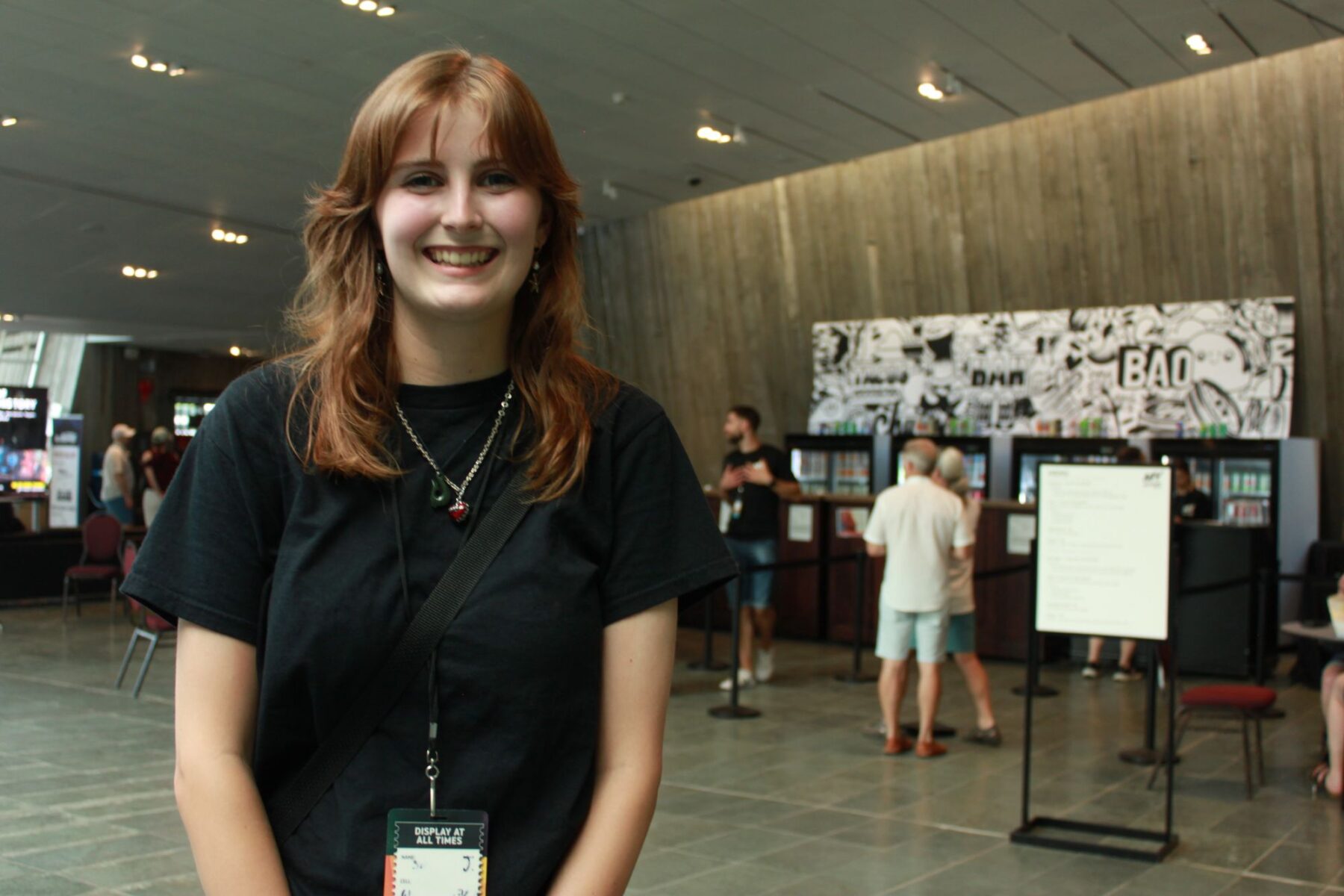
Jordan Mills at the War Museum on July 16, with her Bluesfest volunteer pass.
Jordan Mills at the War Museum on July 16, with her Bluesfest volunteer pass. Photo credit: Matthew Grieve

“It’s so much more hands-on,” said Mills. “I don’t learn well from reading a book or just setting up a tripod. I have to get in there and work at it, and this is the perfect experience to do that, especially before our second-year co-ops.”

Steve Johnston, the creator and owner of Ably Productions, shared that students appreciate their time with the company.

“We make it a fun and exciting time for the students,” said Johnston. “They always leave with stories from their time with us that they share with their friends and family. We keep student relationships for a long time, even hiring some students to work our paid opportunities in future years.”

Spencer Johnston, an Algonquin College graduate who works alongside his father, Steve Johnston, at Ably Productions, explained how their company supports students seeking hands-on learning opportunities.

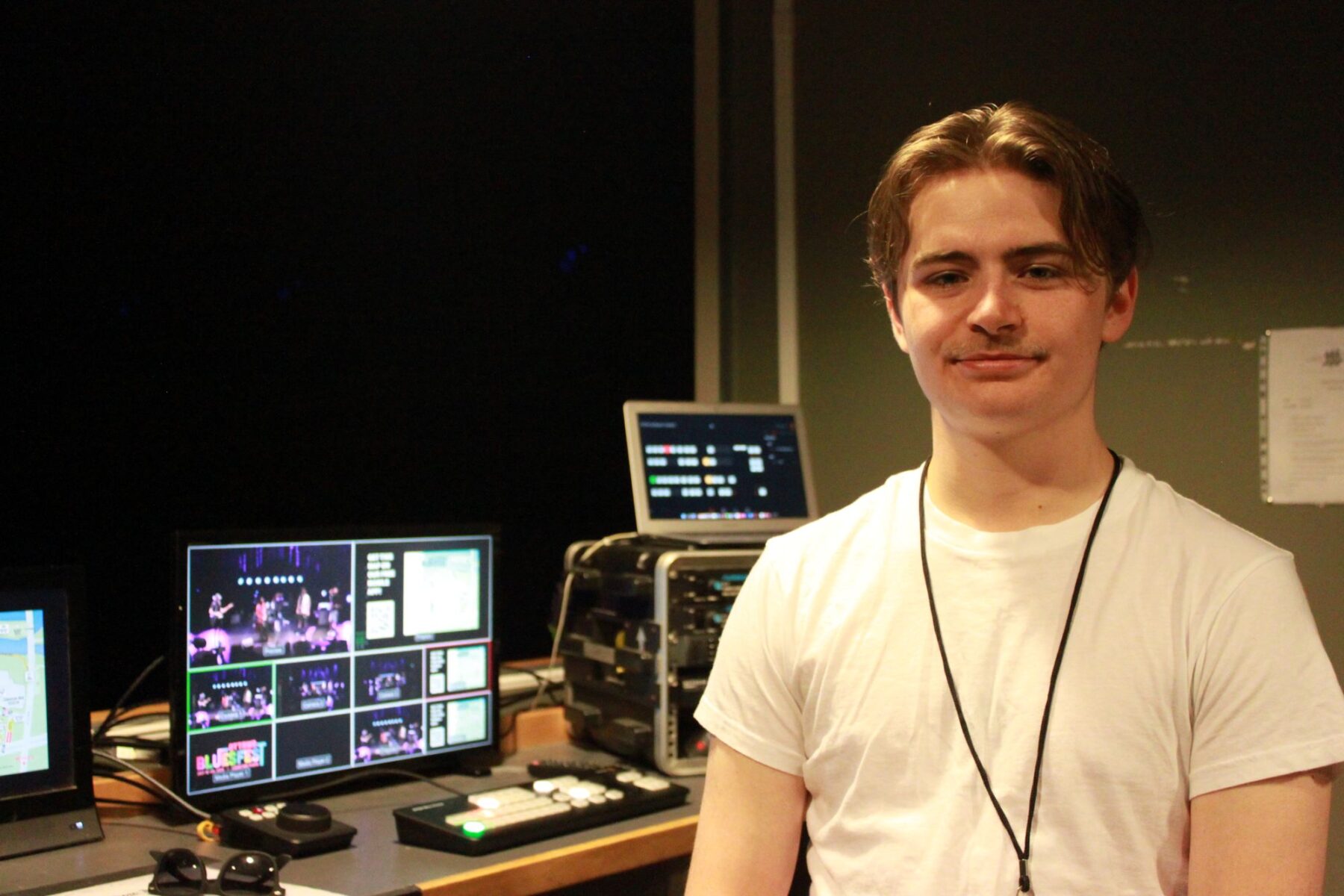
Spencer Johnson, son of Steve Johnson posing in front of the director’s control panel on July 16.
Spencer Johnston, son of Steve Johnston posing in front of the director’s control panel on July 16. Photo credit: Matthew Grieve

“The biggest thing is experience. When you apply for a job, they want two years of it, but where do you get that when you’re young? Volunteering,” said Spencer. “In my experience, most volunteer spots either give you nothing to do or dump the worst work on you. It’s not fair. With our organization, we have you do the real job.”
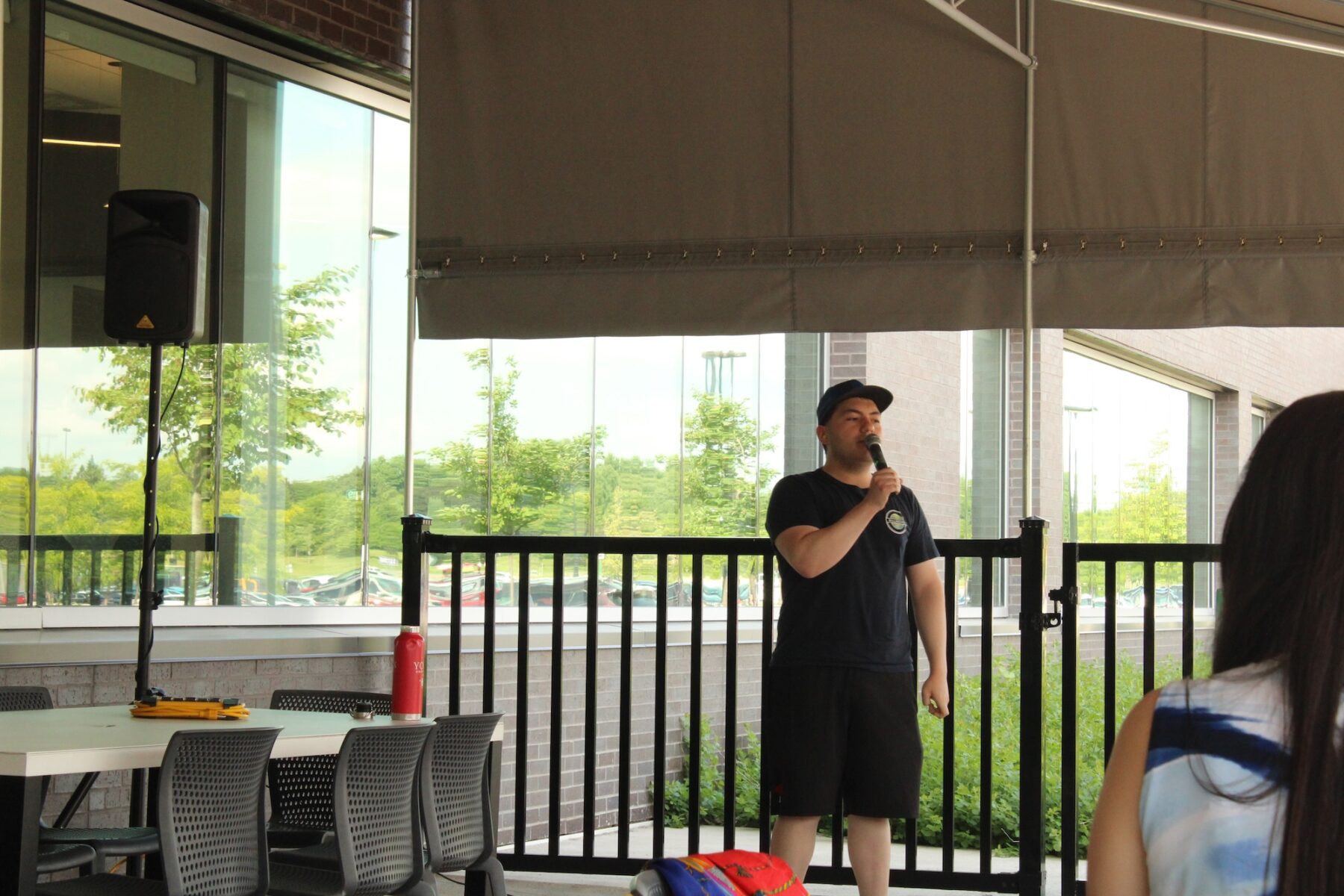
Paul Taylor packs Algonquin Commons Theatre with sharp, bilingual comedy

Stand-up comedy sensation, Paul Taylor delivered an evening of intelligent cultural humor
Photo: William Barritt
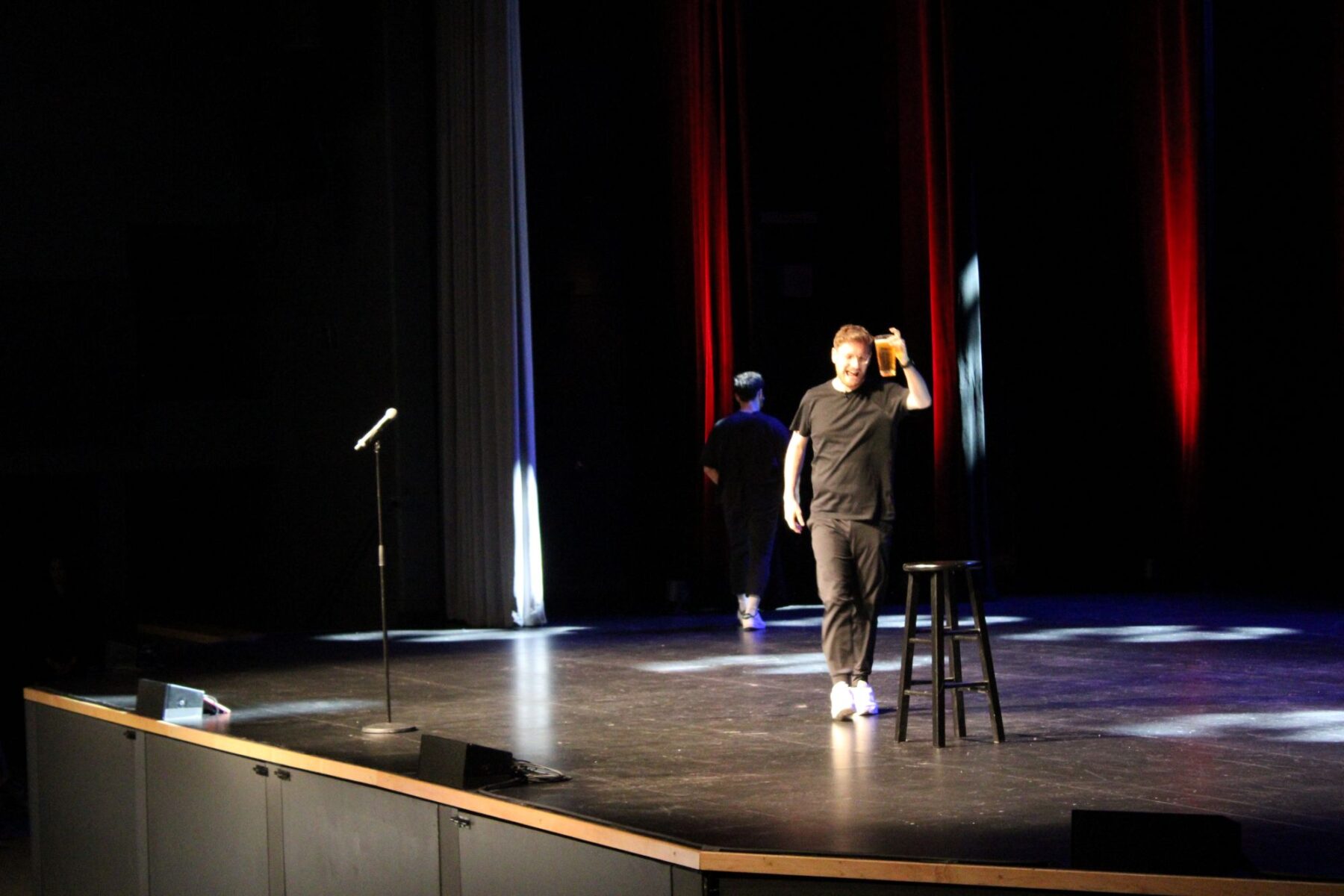
Paul Taylor takes the stage on June 4.

Comedian Paul Taylor brought his show “F**k Me I’m French” to over 500 fans at the Algonquin Commons Theatre, on July 4, exploring the humor behind bilingual identity.

The event was hosted by the Algonquin Students’ Association, (ASA) which regularly brings comedy acts and other live performances to the venue. The performance struck a chord with both longtime fans and first-time attendees.

Paul Taylor performing to crowd of 500 at the Algonquin Commons Theatre.
Paul Taylor performing to crowd of 500 at the Algonquin Commons Theatre. Photo credit: William Barritt

Daphnee Dicette, who saw Taylor live for the first time, said the show exceeded her expectations.

“For me, it was my first time,” Dicette said. “I think it was very funny—he made a lot of relevant cultural jokes, so for a first impression, it was great.”

Cloe Podage, who attended the show with Dicette, was already familiar with Taylor’s work through social media.

“I know him from France, I’m from there originally, so I was watching his show beforehand on YouTube, and he’s such a funny guy. It was a great moment to see him live,” Podage said.

Chloe Podage and Daphnee Dicette outside theatre after show.
Chloe Podage and Daphnee Dicette outside theatre after show. Photo credit: William Barritt

Taylor, Is a British comedian living in France who rose to fame through his bilingual sketches and stand-up routines, has recently shifted toward performing primarily in English. While his material still draws heavily from his life in France, the move reflects a desire to connect more directly with international audiences.

When asked how he would describe his comedy to someone unfamiliar with his work, Taylor didn’t hold back.

“I’m angry, I shout a lot, and most of it is because the French annoy me,” Taylor said. “I make fun of myself, and I make fun of the French because I live over there, and I get angry at the stupid things I see.”

Mathieu Gauthier, a longtime fan who bought his ticket after seeing an Instagram ad, said he supports Taylor’s shift away from bilingual comedy.

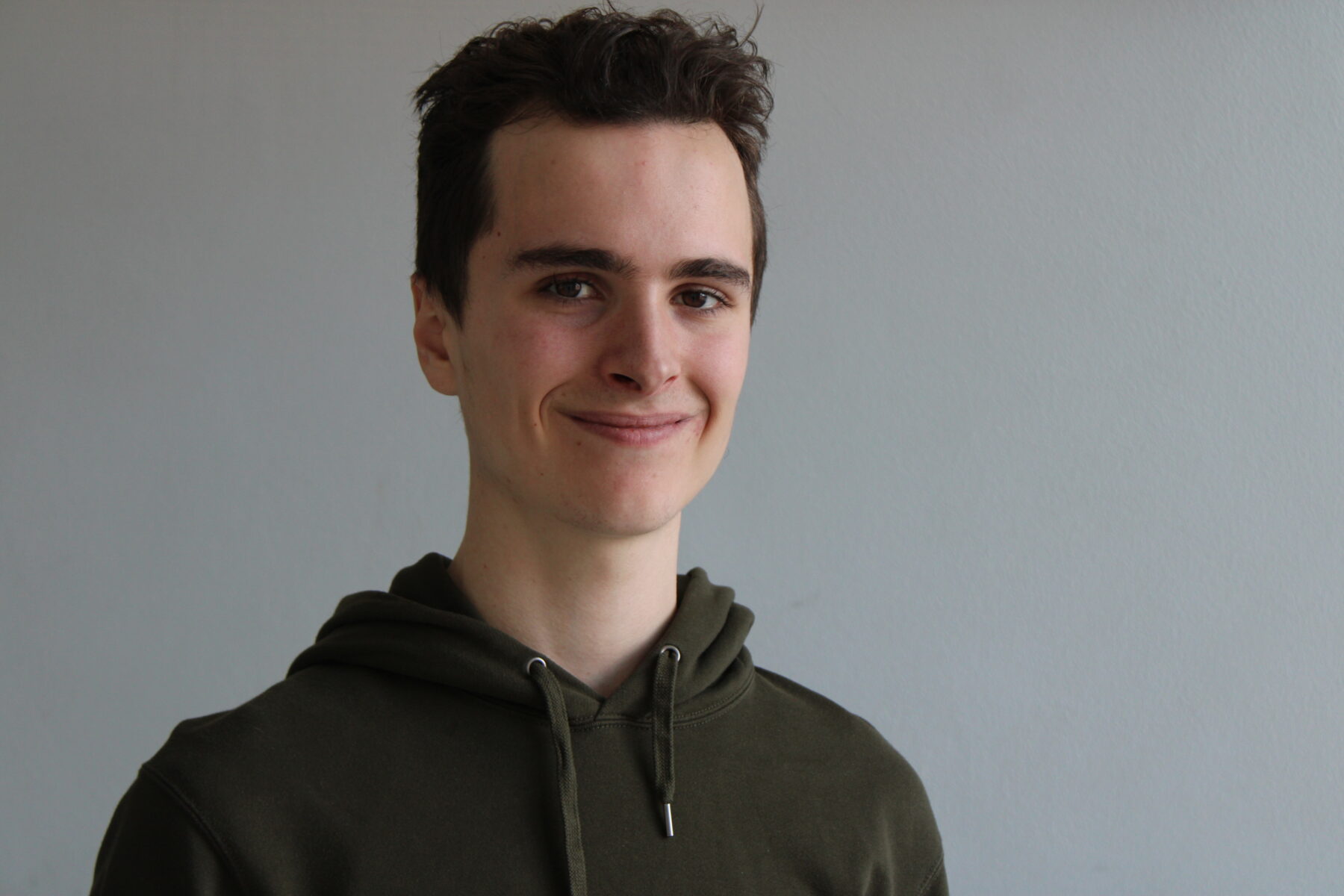
Mathieu Gauthier outside theatre before show.
Mathieu Gauthier outside theatre before show. Photo credit: William Barritt

“I love it. He does great bilingual work, but he’s much more comfortable with English, so I understand why he switched,” Gauthier said.

Taylor credits much of his success to his online presence, something he says is now essential for comedians trying to build an audience.

“For people starting out in comedy, it’s the only way to get anything done,” Taylor said. “Whether you’re an LGBTQ comedian or an English comedian doing shows about France, you’ve got your own niche, and there are people all over the world who can relate. Social media helps you find that audience, and that’s the reason I’m here in front of 500 people.”

Men’s mental health awareness month at Algonquin College: Did it get the attention it deserved?

Support without spotlight: Despite recognizing men’s mental health awareness month, Algonquin College had no major events planned to raise awareness
Photo: Matthew Grieve
A student engages with an edition of the Algonquin Times spotlighting mental health.

Men’s mental health awareness month came and went in June, but some students at Algonquin College didn’t even know it was happening.

The college had no dedicated events for men’s mental health, but the topic remains important, students say.

Yiji Fan, an Algonquin College student studying early childhood education, said he was unaware that June was an awareness month for this cause.

“I know friends who are going through some harder times […] they’re seeking help,” said Fan. “We already have the resources in place, but people just don’t know they exist […] I never knew we had those counsellors until last semester. Just make the support more visible, whether it’s on Instagram, bulletin boards, or through fun activities. Just focus on raising awareness will be enough.”

When asked, another early childhood education, Supreme Chimariya, didn’t know the importance of June for men. He mentioned that he hadn’t seen much discussion about men’s mental health and wondered if the information might not be visible or easily noticeable to people at the college.

“The more people see, the more people think and learn about that particular thing. I feel like men don’t really have the space or opportunity to speak up about their mental health,” said Chimariya. “If there were a good environment where they could express their emotions or share ideas, maybe even through small events or group meetings, that could really help.”

The month of June encourages men to have open conversations about mental health. The global awareness campaign aims to break down societal stigmas and biases, inspire people to seek help, and challenge harmful expectations placed on men.

Although the college may not have had any events to mark the month, students do have access to resources through campus counselling, the Student Association, or residence services.

“At counselling services, we provide short-term, goal-oriented, individual counselling for students,” said Doug Blad, Counselling Services at Algonquin College. ”We offer a variety of groups, some of which are counsellor-led and some are led by peer facilitators. We also offer workshops on mental health and wellbeing that are presented in classes and through the Student Learning Centre.”

These services are essential for supporting men, especially given the statistics on men’s mental health in Canada.

According to the Government of Canada, there are approximately 4,500 deaths by suicide per year, with 12 people dying by suicide each day. Of those deaths, men take their own lives at a rate nearly three times higher than women.

Suicide, self-harm, and suicide-related behaviours in Canada, according to the Government of Canada.
Suicide, self-harm, and suicide-related behaviours in Canada, according to the Government of Canada. Photo credit: Matthew Grieve

Blad also shared he runs a group for men called Elevate, which focuses on topics affecting men, such as substance use. The group is set to return for the 2025 to 2026 school year, and the goal is to take every opportunity to provide men with the support they need.

In residence, mental health is supported through a connection-based approach led by residence advisors

William Logan, Residence Life Manager at Algonquin College, confirmed that no events were planned in June to mark men’s mental health awareness month. However, the residence continues to offer support for students’ mental well-being.

“We do not provide clinical (or) therapeutic support; instead, we focus on building connections and making referrals,” said Logan. “After we make a connection, we focus on identifying what on-campus and off-campus supports might be beneficial to residents and help connect them to those resources. We often make referrals to Counselling and Health Services.”

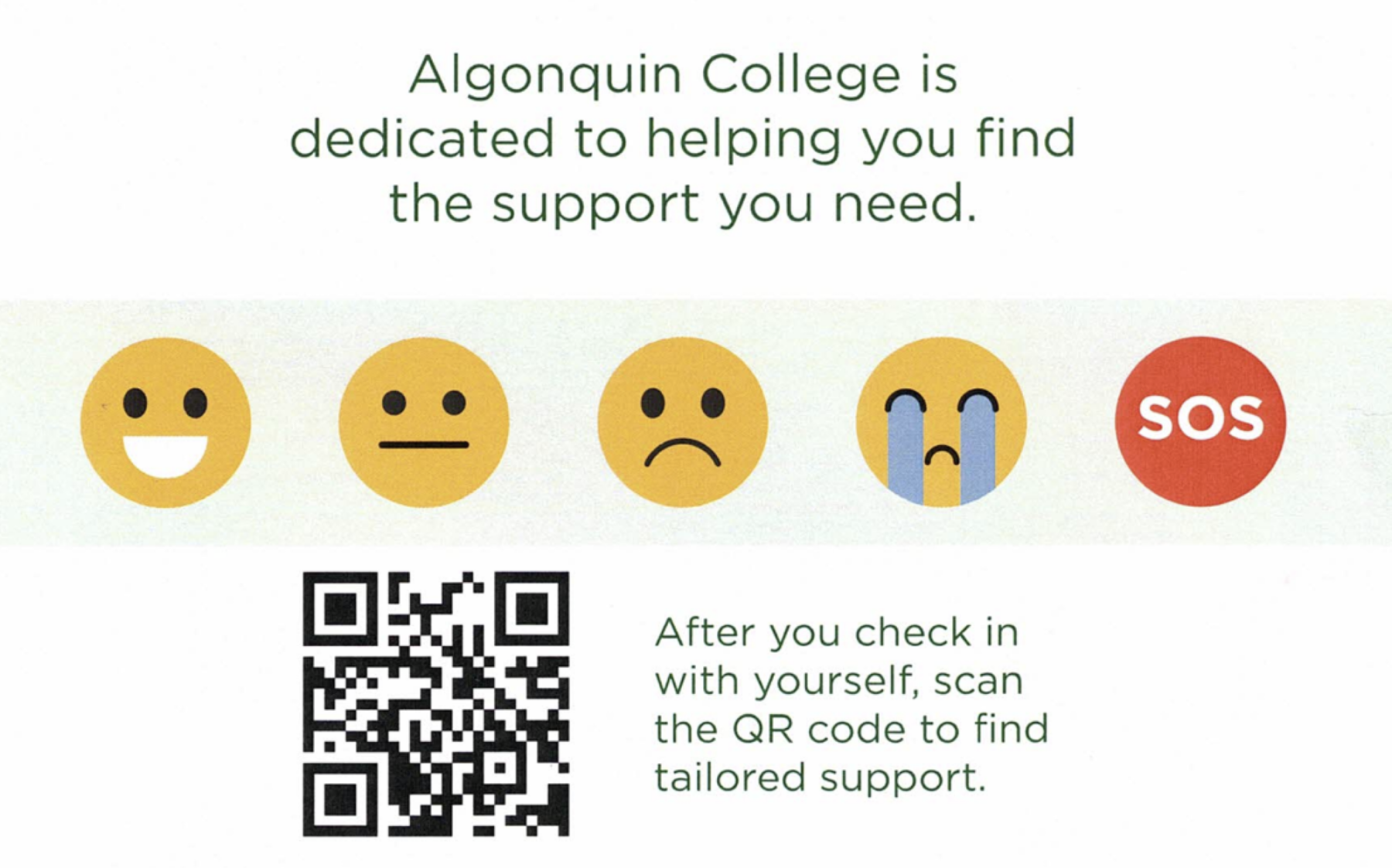
A card from Algonquin College’s Student Support Services.“How are you feeling today?”—highlighting ongoing efforts to encourage mental health awareness and peer connection on campus.
A card from Algonquin College’s Student Support Services.“How are you feeling today?”—highlighting ongoing efforts to encourage mental health awareness and peer connection on campus. Photo credit: Matthew Grieve

Chris Lackner, Senior Manager, Communications and Strategy for the Algonquin College Students Association, said the organization doesn’t have events specifically for men’s mental health awareness in June. Nonetheless, he emphasized that the association recognizes the importance of supporting mental wellness for all students.

“Our approach is to provide awareness of the mental health supports available through the Algonquin College and the Student Health Plan, which is provided through the Student Association. Students have access to mental health professionals, peer support, and wellness resources that are inclusive of all gender identities,” said Lackner.

As men’s mental health awareness month comes to a close, Algonquin College is reminding students that they are not alone and that support is available.

Algonquin College encourages students to asses their mental health with a QR code linking them to tailored support resources.
Algonquin College encourages students to asses their mental health with a QR code linking them to tailored support resources. Photo credit: Matthew Grieve

Algonquin College alum co-authors book about Canadian punk rock scene

A graduate of Algonquin College’s journalism program, Adam Feibel marked a major milestone by co-authoring his first book with longtime friend Matt Bobkin about pop-punk music
Photo: Jade Louise Greenwood
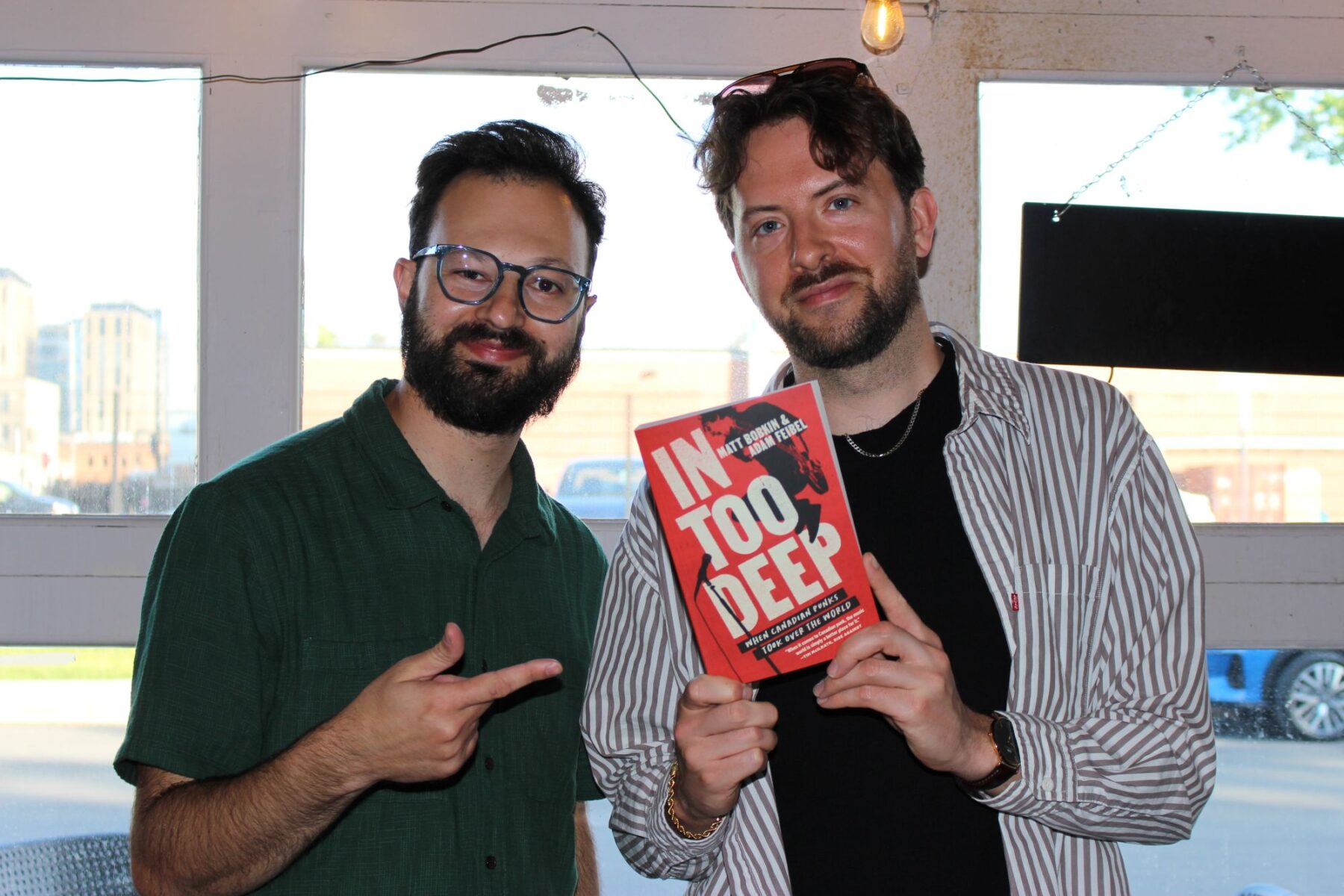
Matt Bobkin and Adam Feibel (left to right) show their book at their book launch at Happy Goat Coffee Co. on June 28.

Matt Bobkin and Adam Feibel step up to the stage with relaxed smiles, their voices warm as they welcome the audience to their book launch.

Adam Feibel and Matt Bobkin (left to right), standing together before going on stage to talk about their book In Too Deep.
Adam Feibel and Matt Bobkin (left to right), standing together before going on stage to talk about their book In Too Deep. Photo credit: Jade Louise Greenwood

In Too Deep captures a pivotal seven-year surge, from 2000 to 2007, when punk broke into the mainstream, and how Canadian artists played a central role in that cultural breakthrough.

“What this book proves is that there is world-changing art in our own towns and our own provinces,” Bobkin said. “All of these artists had to go through the States in order to get the attention they desereve from their own country and I think that’s bullshit, and I think that should change.”

After building years of experience, Bobkin and Feibel earned the trust and access needed to speak directly with big-name artists. Most reporters start at the performer, but Feibel and Bobkin dug deeper and gained trust through the grapevine.

“It’s a point of pride for it because, yeah, we did do a lot of interviews for it,” Feibel said. “I think that’s a strength of it, we’re not amateur writers fanning out over these artists that we love—we did the work.”

The book referenced many artists, including Sum 41, Avril Lavigne, Billy Talent, and Marianas Trench and how they had an impact on the early 2000s.

“We have nine big chapters on the nine big punk exports—that’s insane,” Bobkin said. “There’s no other genre where you can get that many from the same country, that all at some level—that’s not the (United States) —where you can get some level of global notoriety.”

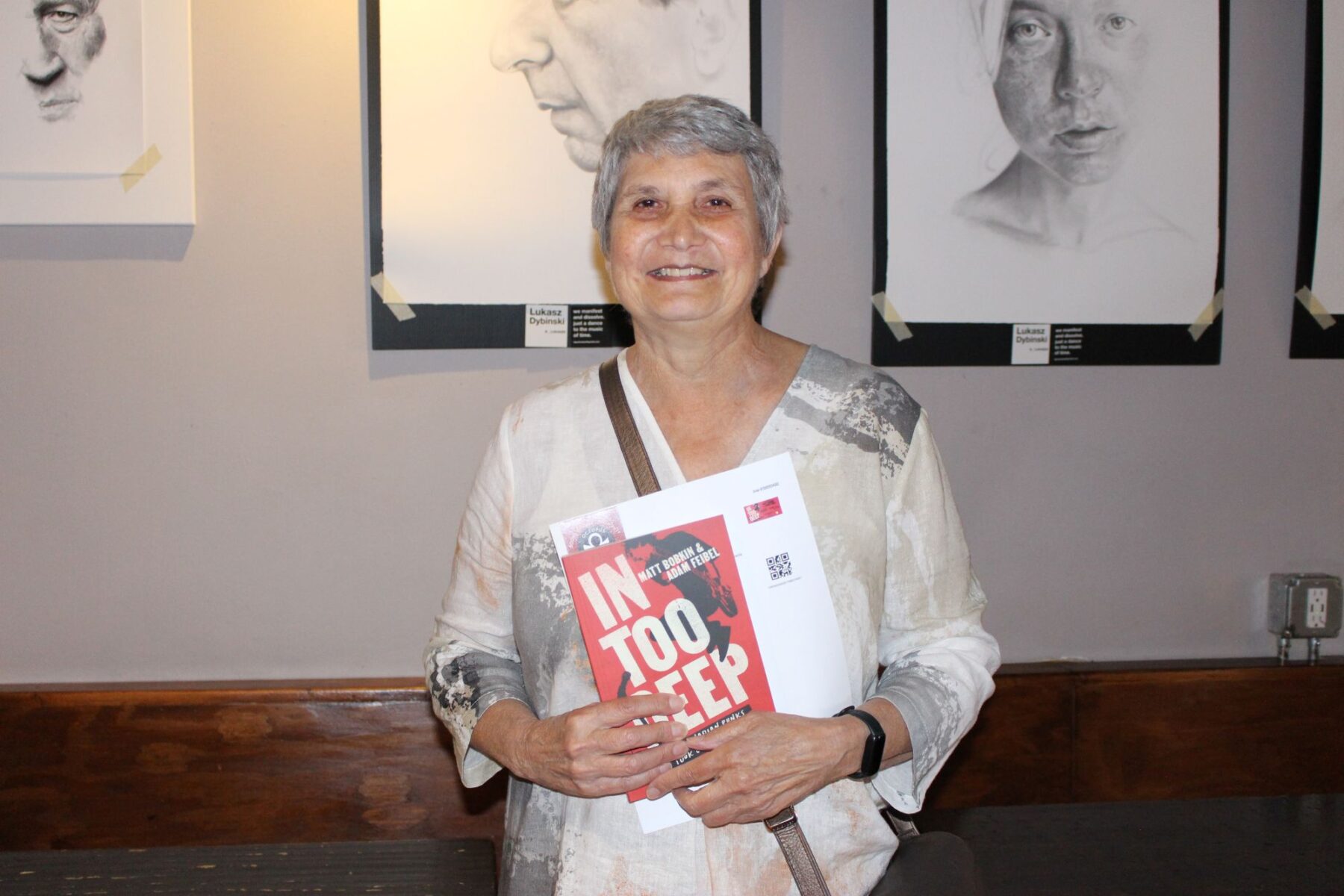
The book, In Too Deep, by Matt Bobkin and Adam Feibel, displayed at their book launch at Happy Goat Coffee Co. on June 28.
The book, In Too Deep, by Matt Bobkin and Adam Feibel, displayed at their book launch at Happy Goat Coffee Co. on June 28. Photo credit: Jade Louise Greenwood

Their voices carried through the room, with both excitement and humility as they spoke about the journey that brought their book to life; years of late nights, deep research and a deep love for the music that helped shape their generation.

“We wanted to showcase just how difficult it is for Canadian artists to break through internationally,” Bobkin said. “All nine of those chapters deal with, in some way, the struggle of breaking into the States and being Canadian, and we really wanted to show that it is weird that it happened. Why did it happen with pop-punk of all genres? Of all movements?”

Through exclusive interviews and behind-the-scenes stories from managers, producers and friends of the artists, Bobkin and Feibel show how these performers brought a new spotlight to the music scene.

“We can stretch it out and tell the whole story,” Feibel said. “We get to do the interviews that no one’s done before and find out things that no one’s, you know, the stories that people haven’t told before. All that’s in the book.”

Kaitlyn Filip, Feibel’s partner, talked about In Too Deep with care and shared the dedication and work these men have spent years on, while keeping up with their day jobs.

Kaitlyn Filip, Feibel’s partner, joined the launch of In Too Deep on June 28.
Kaitlyn Filip, Feibel’s partner, joined the launch of In Too Deep on June 28. Photo credit: Jade Louise Greenwood

“I am so proud. It’s been four years in the making, they started working on this book forever ago, it feels like,” Filip said. “It’s so exciting to finally have the book out, and then to be able to celebrate it with all his friends and family. We are so excited.”

Mardi Weltman, Bobkin’s aunt, also attended the book launch and shared the reasoning for Bobkin’s dedication, which was written for her parents, Harry and Sally Weltman, Bobkin’s grandparents.

Mardi Weltman, Bobkin's aunt, came to the book launch and spoke highly of her nephew.
Mardi Weltman, Bobkin's aunt, came to the book launch and spoke highly of her nephew. Photo credit: Jade Louise Greenwood

“I’m here to celebrate my nephew and his friend and their work documenting Canadian music,” Weltman said.

As they wrapped up their speech, Bobkin nailed home the importance of their work.

“If you find a cool local band, share it on social media, tell your friends about it, tell your American friends about it,” Bobkin said. “They should start with us—the love of Canadian music has got to start at home.”

AC students belt favourites at Patio Karaoke Night

Students at Algonquin College scream and shout and let it out at karaoke night, patio edition
Photo: Scott Crowell
Start of karaoke night at the wolves den patio on June 19.

As midterms were in full swing at Algonquin College, the Wolves Den and Algonquin College staff hosted a karaoke night on the Wolves Den patio at the Jack Doyle Athletics and Recreation building on June 18.

The patio was full of nervous students, but also excited students, who had the opportunity to get away from all the thoughts of looming exams. Karaoke night had many surprises from a young girl singing her heart and rocking out, to staff at the school getting involved.

Students at Algonquin College were excited to use their vocal cords and let out some energy during a hot summer day.

Adam Hadad, a web development and internet applications student, kicked off karaoke night with Under the Bridge by the Red Hot Chilli Peppers.

Adam Hadad kicks off karaoke night on the patio on June 19.
Adam Hadad kicks off karaoke night on the patio on June 19. Photo credit: Scott Crowell

I enjoy karaoke nights so I’ve done a few in the past, and I wanted to check tonight, and it was so worth it for sure. I wasn’t nervous at all especially since I was one of the first to queue up and sing. If anything I was more amped to get up there,” said Hadad.

Gonzalo Davila, who sang In The Air Tonight by Phil Collins, said it was his first time as a student to get involved in an event.

Gonzalo Davila sings in front of friends on June 18, Karaoke night.
Gonzalo Davila sings in front of friends on June 18, Karaoke night. Photo credit: Scott Crowell

“My friends convinced me to come tonight, but it was for sure worth it, absolute blast with everyone who came out tonight,” said Davila.

Alex Larochette, a computer science student at the University of Ottawa, and Jessica Dao, a public relations student at Algonquin College, who duetted together, were enthusiastic about karaoke night.

Jessica Dao (left) and Jessica Dao (right) sing at June 19, Karaoke night
Jessica Dao (left) and Alex Larochette (right) sing at June 19, Karaoke night Photo credit: Scott Crowell

“We’ve been to a few other karaoke nights in the past, here at Algonquin and at Ottawa U, and we will definitely be back again to other karaoke nights and other events,” said Larochette.

Larochette said Take My Breath Away by Berlin was his choice. He pushed hard for Dao to go up and sing with him.

“At first Jessica said no chance you will get me up there, however I think what won her over was the song choice. I actually heard this song on the radio the day prior and she loves Top Gun I can say it was a factor on why I was able to really convince her to sing with me,” said Larochette.

Dao, who overcame her nervousness to sing, has a message for students on future karaoke nights.

“Honestly, no one cares if you suck at singing or not, I didn’t want to sing but I still did and I don’t regret it one bit,” said Dao. “It was so much fun and I encourage others to come out to other events, especially karaoke nights down the road and even in the fall term.”

Sai Benedicto, manager at the Wolves Den, was pleased with the outcome on the patio as the afternoon went on. She estimated the turnout to be around 40-50 people on the patio along with students who walked by stop to listen to karaoke night.

“I wasn’t expecting the turnout to be anywhere near the amount of students and staff that actually showed up. Everyone crowded the patio and even got up willingly and sang in front of others, which shocked me,” said Benedicto.

Wolves Den staff member Danny Subia was impressed with just how many students decided to show up and flip the switch from school to fun.

“It’s a nice change for students who are so stressed with midterms and finals, to get out and just have fun and relieve that tension,” said Subia.

Algonquin Times horoscopes
Follow Algonquin Times on Instagram
Algonquin Times on Instagram
Algonquin Times podcast
Algonquin Times on Instagram
Follow Algonquin Times on Instagram
Algonquin Times horoscopes
Algonquin Times podcast

Stay Informed

Sign up for our newsletter

Subscribe

* indicates required