Algonquin College students question potential public prayer ban in Quebec

Some Algonquin College student are worried about a Quebec bill, scheduled to pass this fall, that would ban praying in public spaces.
Coalition Avenir Quebec, the provincial party in power, has been planning the proposal for months, requiring immigrants to embrace the “common culture.”
On May 28, Quebec’s immigration minister tabled Bill 84 to guide immigrants to integrate with the province’s belief system.
“The premier of Quebec has given me the mandate to strengthen secularism, and I am determined to fulfil this mandate diligently,” said secularism minister Jean-François Roberge before announcing this motion on Aug. 28.
The plan is to extend Bill 21, which was previously issued to limit religious attire from being worn in the workplace.
The Canadian Muslim Forum said street prayers are a manifestation of freedom of expression and inhibiting such activities would cause communities to become further stigmatized.
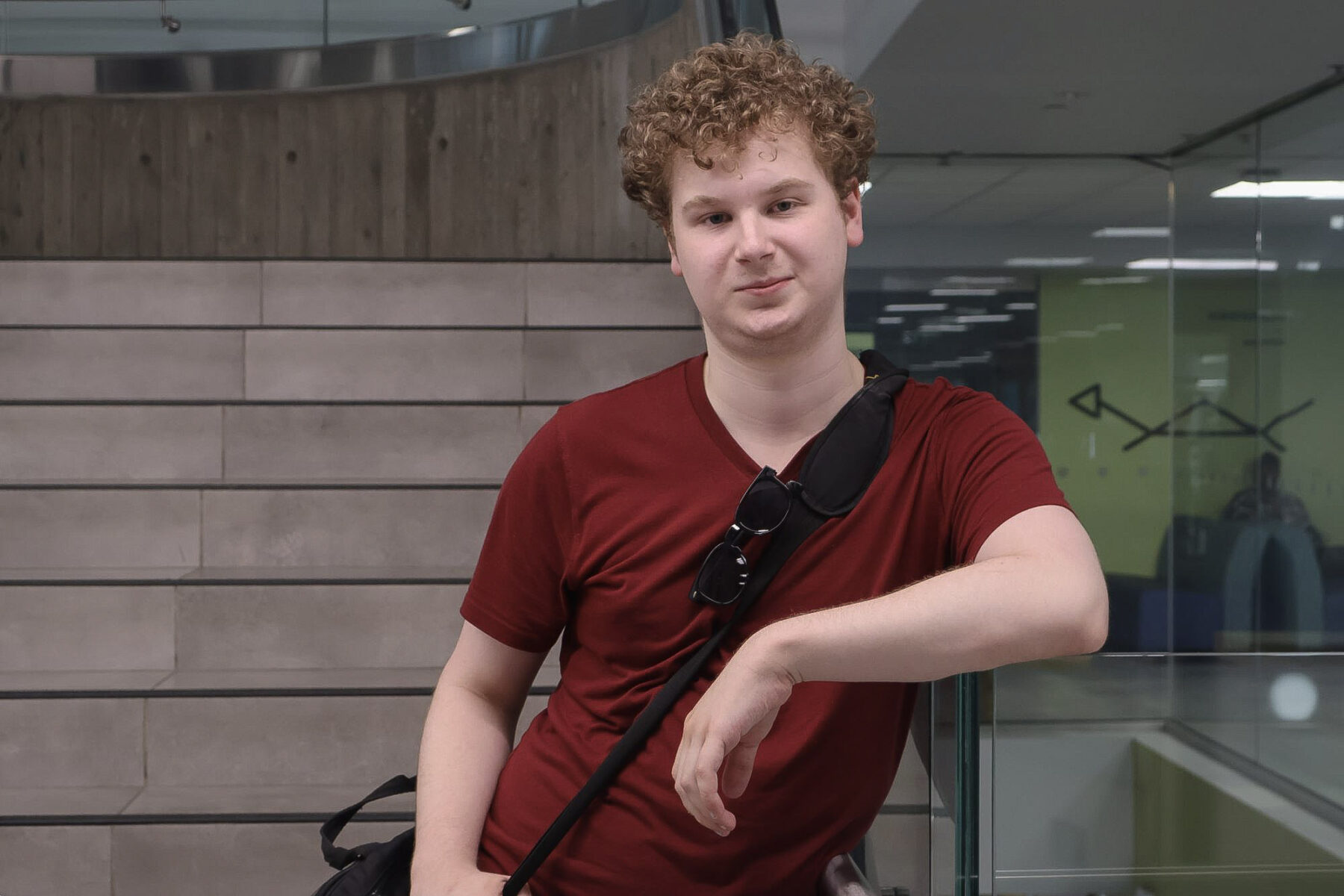
Kareem Idris, a student at Algonquin College, agrees.
“As of right now, Islam has a really bad look on it around the world. It’s very obvious,” he said. Idris attends Jummah prayer on Fridays in the old Algonquin College gym.
He believes the ongoing Israel-Palestine war causes the world to have a generally negative view of Islam. Idris believes public prayer is a positive initiative to raise awareness and paint his religion in a different light. He said passing this bill would only increase growing stigmas towards his culture.
“Having that in place, people will even get a worse view on it (Islam) than what it is already. So it’s not really helping our case at all.”
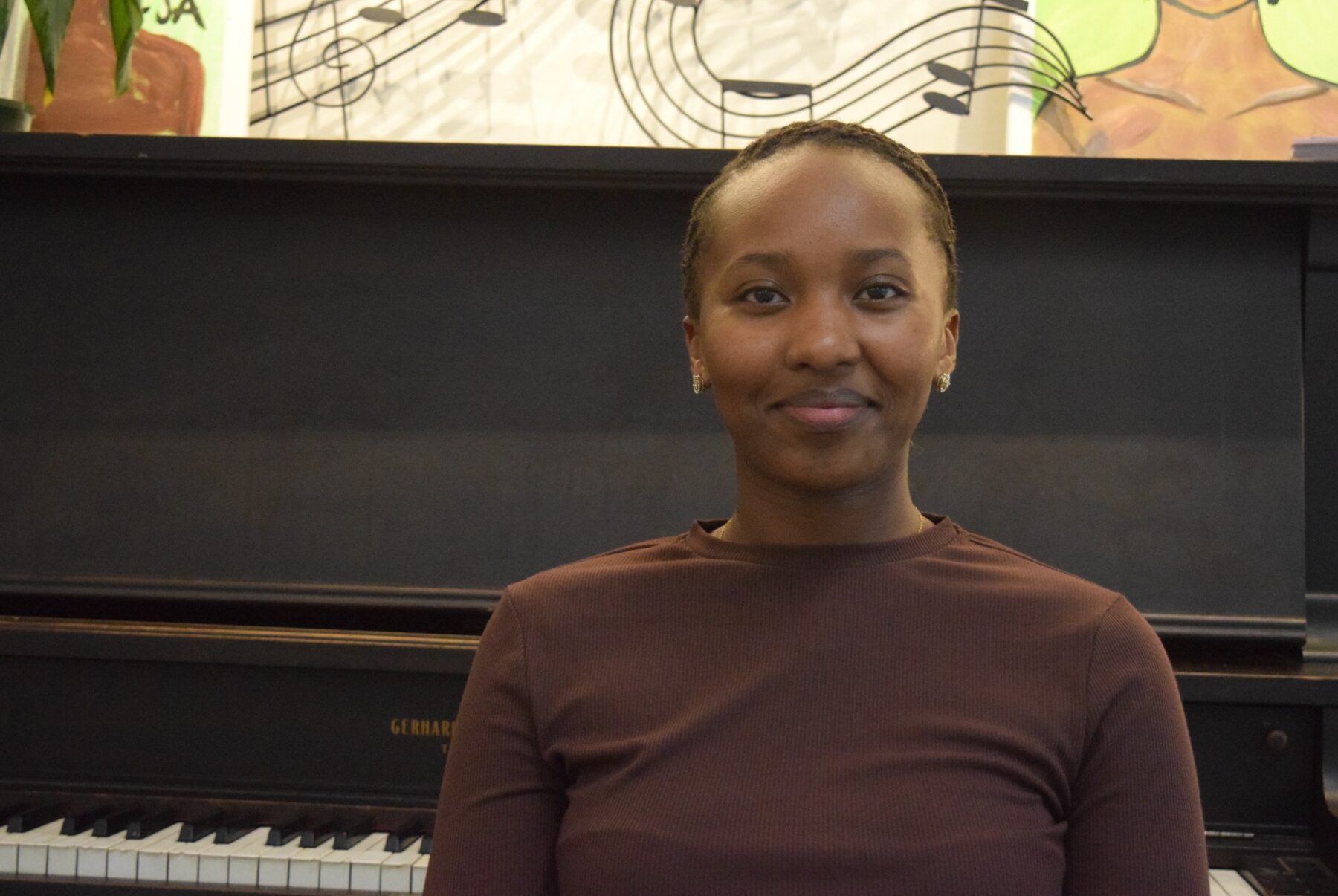
Divine Ishimwe, a first-year student at Algonquin College, attends Christian prayer sessions on campus regularly.
“I would say faith is a very big part of some people’s survival,” she said.
“Personally, if you stopped me from praying, my life would be so fragile. I can’t imagine someone stopping me from praying whenever I need to, because that’s my biggest support system.”
“It supports my mental health, it supports my performance, so I don’t think it’s reasonable for people to be stopping or banning prayer for people that need it.”
Ishimwe says if people are not disturbing the peace in public spaces, they should be allowed to pray wherever they see fit.
Ahmed Khan shares similar views. He has been leading the Muslim Students Club at Algonquin College for four years.
“When you’re talking about disruptive cases, you have to look at it case by case,” Khan said.
“For example, here at Algonquin, we once had an issue where we weren’t given the room to pray, and we had about 100-something people. We couldn’t fit. But we have to pray — it’s a necessity. So they went outside, and they prayed in public.”
On Sept. 11, a public prayer event was held on campus by InterVarsity, a Christian ministry that runs prayer groups on campus throughout the year.
Cristy Dagenais, the campus minister who co-organized the event, believes religion is one of the biggest unifiers for students. Without it, she says, life on campus would become sterile.
“There are so many students that go through their whole degree here and all they have is maybe some classmates, but they don’t have that sense of family,” she said.
“Maybe they’re asking bigger, deeper questions, but they don’t feel like they have a safe place to ask those questions. We try to do that through events. Becoming visible helps students be able to practice their faith.”
In her opinion, expressing religion is a fundamental right and should be exercised. She is grateful to have this opportunity at the college.
“If they don’t have freedom to be able to express their belief systems — of course, where it’s still safe and good for other people — it’s like you’re taking away the essence of being human,” Dagenais said.
“To take that away completely, it doesn’t make any sense to me.”