Mamidosewin Centre’s deer hide tanning workshop is more than just skin deep
Making leather from hide is an old art that many may not get the chance to ever learn. Thanks to a workshop hosted by the Mamidosewin Centre, you can learn how to turn deer hides into soft usable leather.
The four-part workshop series teaches people attendees the process of taking a simple deer hide and turning it into leather that can be used to make crafts or clothing, using traditional Indigenous methods.
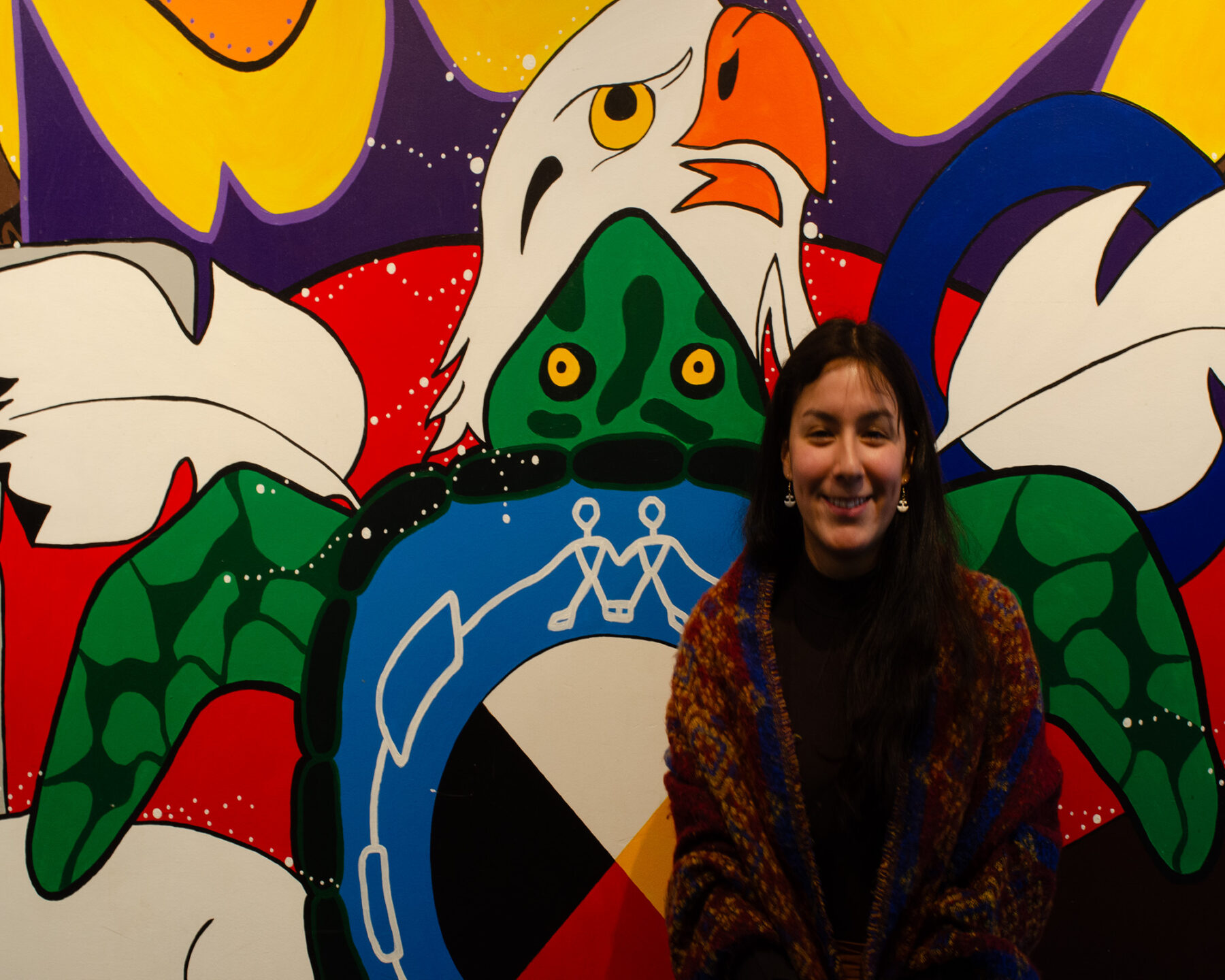
Summer Wabasse, the events and communications manager at the Mamidosewin Centre, explained how the workshop came to be.
“One of the Algonquin College staff members from ASPIRE AC donated some deer skins from his personal hunting trip about a year ago, and we were trying to figure out what to do with them,” said Wabasse.
“I heard from other schools that they worked with this facilitator, Tammy Cote from Kitigan Zibi Anishinabeg, to host hide processing workshops on their campuses. So, I reached out to her.”
Wabasse emphasized the incredible opportunity to have Cote on campus hosting the workshop.
“Turning hides into leather is something I’ve always wanted to do on campus. So, it’s kind of a golden opportunity to have her come on campus and do these hides,” said Wabasse.
Wabasse also explained what the Mamidosewin Centre hopes to use the leather for.
“We are turning these hides that were donated to the centre into leather that can be used for crafts. The goal is to be able to make moccasins,” she said.
Teharonhiatenies Shilling, an employee at the Mamidosewin Centre, described what the workshop means to him personally.
“It’s important to me because it brings back childhood memories of the teachings from my grandfather. He was a big hunter, and he had me doing pretty much the exact same stuff. We have some blankets back home that are made from deer hides that me and my grandfather caught,” he said.

The first workshop happened earlier on Nov. 19. It taught attendees how to flesh the hide, which is a process where people scrape the fat off the hide and string it up to dry.
The second workshop happened on Dec. 2 from 10 a.m. to 2 p.m. and showed the process of dry scraping the hide, which is a more in depth scraping process that involves taking hair and any other imperfections off the hide to make it as flat as possible.
“When we come back for our third workshop on Jan. 13, we will be softening the hide, and in February, the plan is to do the final smoking of the hides,” said Wabasse.
For more information about the workshops contact the Mamidosewin Centre in E-building, or at 613-727-4723, ext. 7186.