
Students feel the pinch on campus from rising food prices
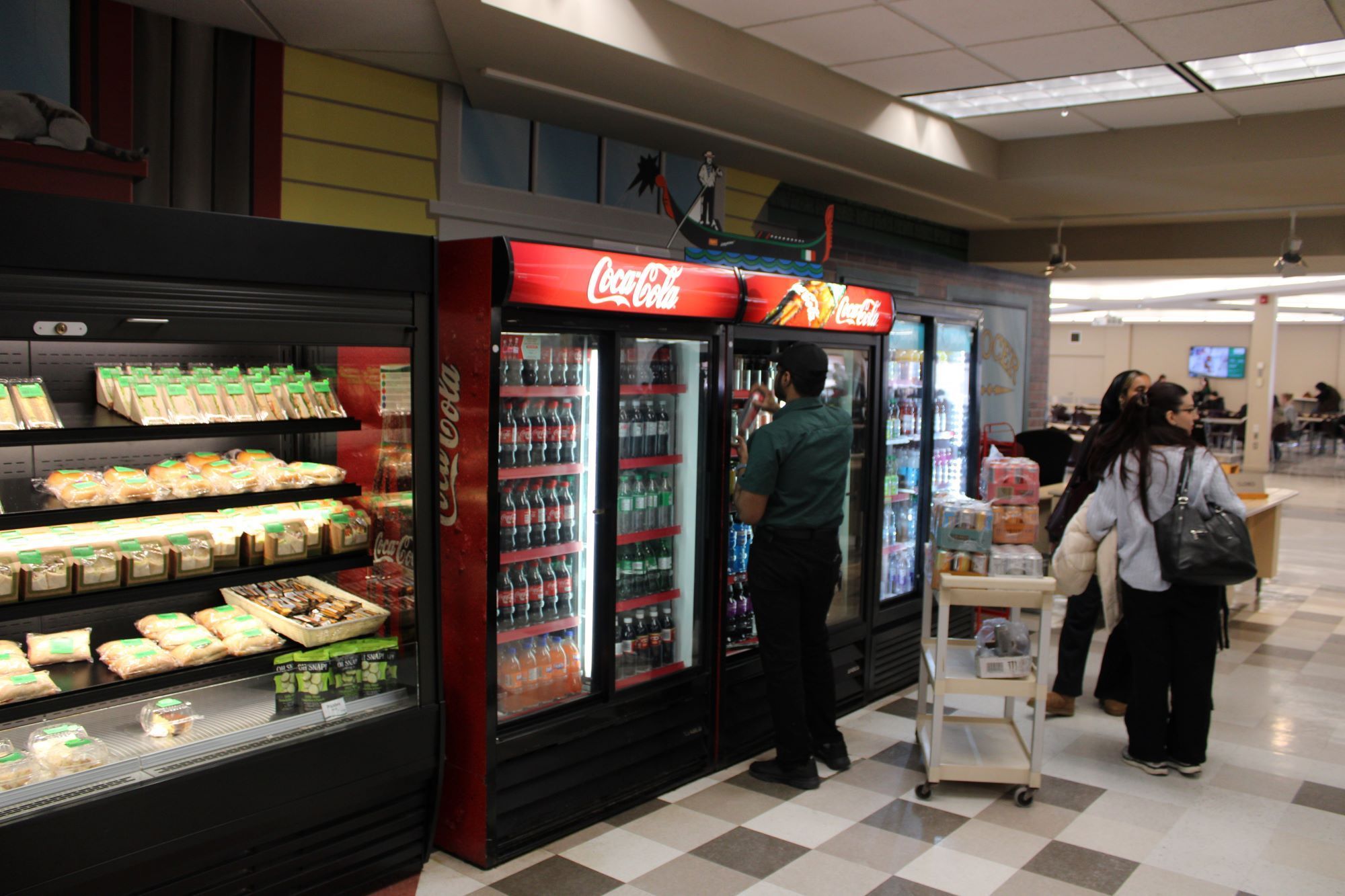
Algonquin College students say rising food prices on campus are adding to financial strain as the cost of living and tuition continue to climb.
“To get essential items like coffee and water from a vending machine, you shell out almost six dollars,” said Izabelle Engelharf, a second-year child and youth care student. “If you want to buy food, you have to pay way more. Pizza is the only thing that feels affordable.”
While pizza remains one of the most popular food options on campus, students say its appeal is driven less by taste and more by price.
For other favourites, the choice isn’t as easy.
Hamada Hussein, a first-year biotechnology student, loves sushi, but she said the prices are simply out of reach.
“I really like sushi, but it’s just too expensive on campus,” she said. “Sometimes you can’t indulge in the meals you actually want.”
For many students, convenience no longer outweighs cost. Hanna Chezel, a second-year nursing student, said she often buys food off campus.
“The prices here are beyond the financial means of most of us, especially international students,” Chezel said. “I usually go to Loblaws nearby. It’s cheaper.”
Chezel added that buying food off campus often requires extra time and effort, but it is necessary to stay within budget. Other students echoed that sentiment, saying the choice is often between saving money or saving time.

Joam Elisma, a construction engineering student, said he can get better value elsewhere.
“For $12, I can get my favourite meal — chicken, rice and sides —outside campus,” Elisma said. “I usually go to Osmow’s a few blocks away. It’s more filling and better priced.”
Elisma said portion size and value play a major role in his decision to eat off campus, even if it means rushing between classes.
Others rely on packing meals to avoid spending money on campus food, as their budget leaves little room for flexibility. “I generally bring food and drinks from home,” Hussein said. “My budget doesn’t allow me to stretch my spending.”
Hussein added that tight schedules make buying food on campus unavoidable. “Sometimes with back-to-back classes, you have no choice but to buy food on campus, even though the prices are excessive.”
International students said the issue is particularly challenging, as many already face higher tuition fees, limited work hours and increased living expenses.
Ricky So, a first-year construction engineering student from Hong Kong, said he prepares meals at home to avoid overspending.
“It’s a bit challenging, but I prefer to make my meals at home and bring them with me,” So said. “Prices on campus are almost the same as outside. An effort should be made for students. In my country, students always get a 20 per cent discount.”
Students’ concerns come amid a broader rise in living costs across Canada, including higher grocery prices, housing costs and transportation expenses. At the same time, tuition and ancillary fees have continued to climb, leaving many students with less disposable income for daily expenses such as food.
In response, Algonquin College said its food pricing reflects broader pressures in the hospitality industry.
Mary Baxter, general manager of Food and Conference Services, said the college takes a “measured approach” when reviewing prices and faces rising costs similar to those experienced by the public.
“We are not immune to cost variations,” Baxter said, citing wages, food purchasing prices, packaging and supply chain challenges.
Baxter added that the college works to manage costs by bulk buying, offering a range of price points, preparing food from scratch on campus, and focusing on local and seasonal purchasing to maintain value for students.
Despite those efforts, students say affordability remains a concern, particularly for those balancing full course loads, work commitments and rising living expenses. For many, the cost of campus food has become another factor shaping daily student life.