Algonquin College robotics club builds fully functioning drone from scratch
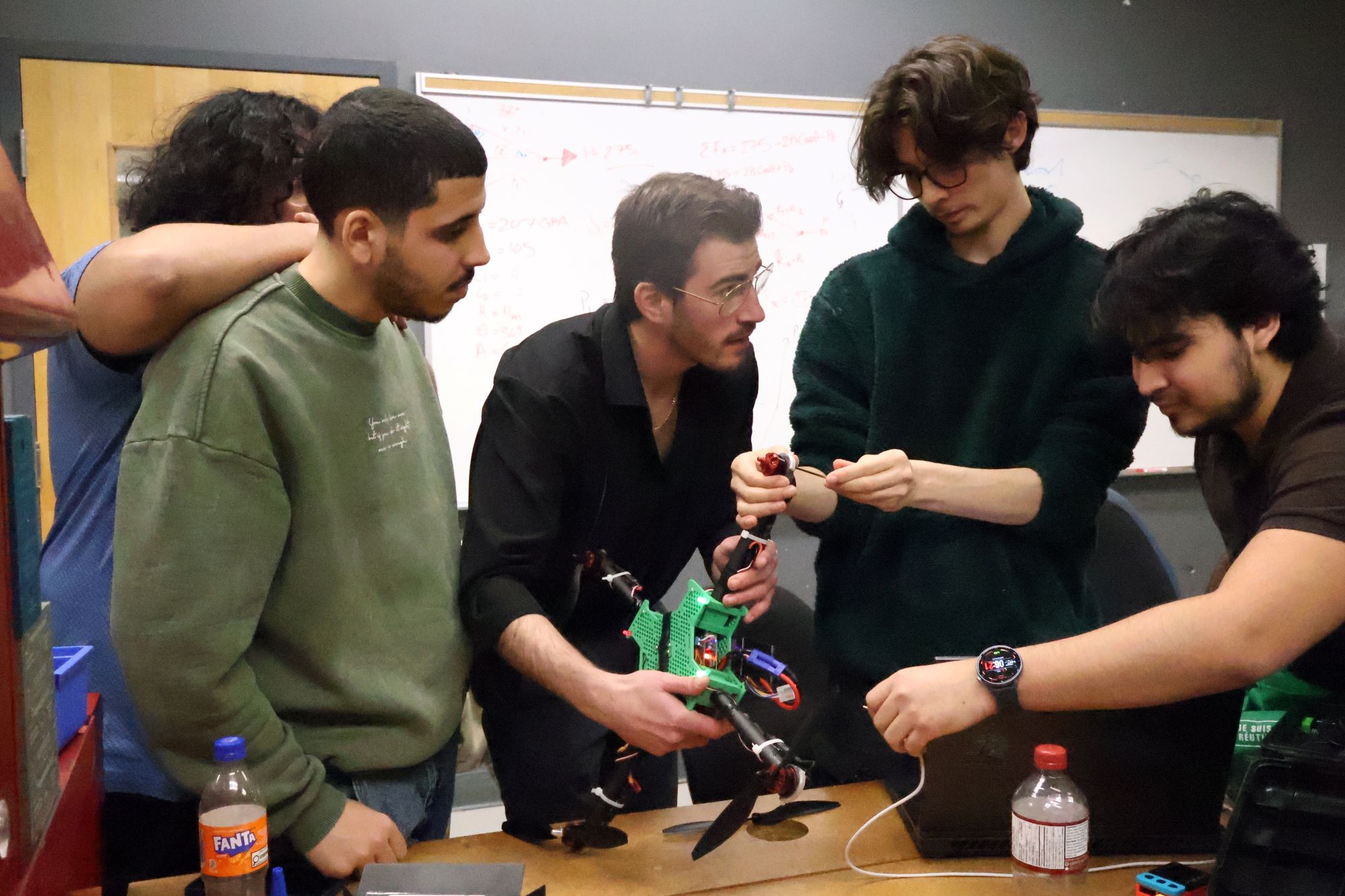
Over the last six months, Algonquin College’s robotics club has been working on an exciting new project: building a drone completely from scratch.
Haeden Fethi-Henriquez, a member of the club, came up with the idea to build a drone for their next project. He is the drone’s designated flyer, with experience flying drones as a child.
The team began this project in November 2025. There were a few obstacles the team had to overcome, such as issues with the drone’s balance and some mishandlings, which affected the drone’s ability to fly. Nonetheless, they persevered.
The drone is now fully capable of flight.
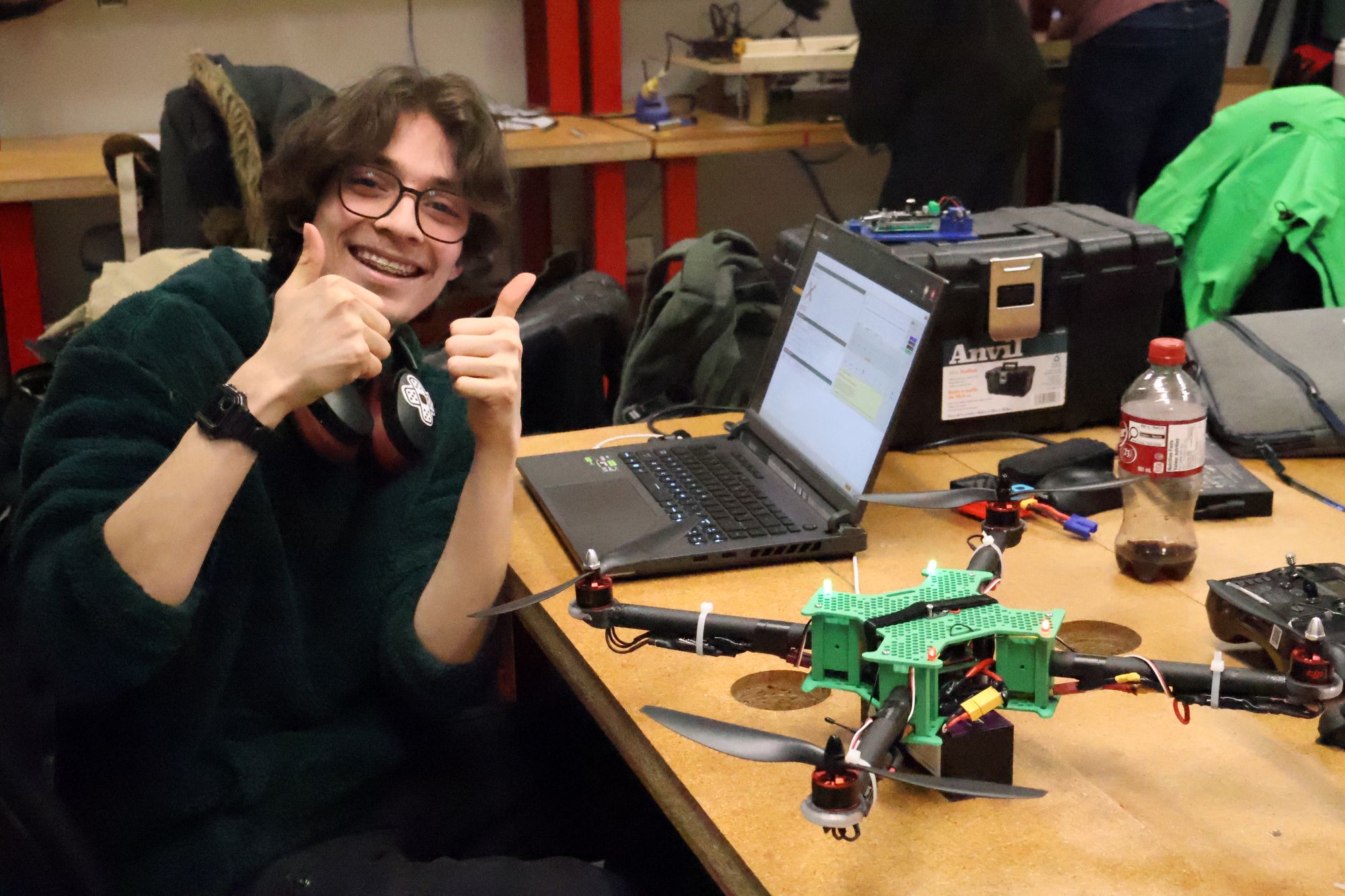
“We had multiple challenges. One of them is for the sensor that we are using, named the MPU with an IMU sensor. That is the one that detects the balance of the drone,” said Miguel Fausto, one of the club’s founders.
“For that one, we had it originally on the PCB of the drone, which is the board that we use, like all the components. And it was getting a lot of noise from all the cables. Because of that it was not working. And later we moved it at the top part of the drone, and we were able to take out the noise.”
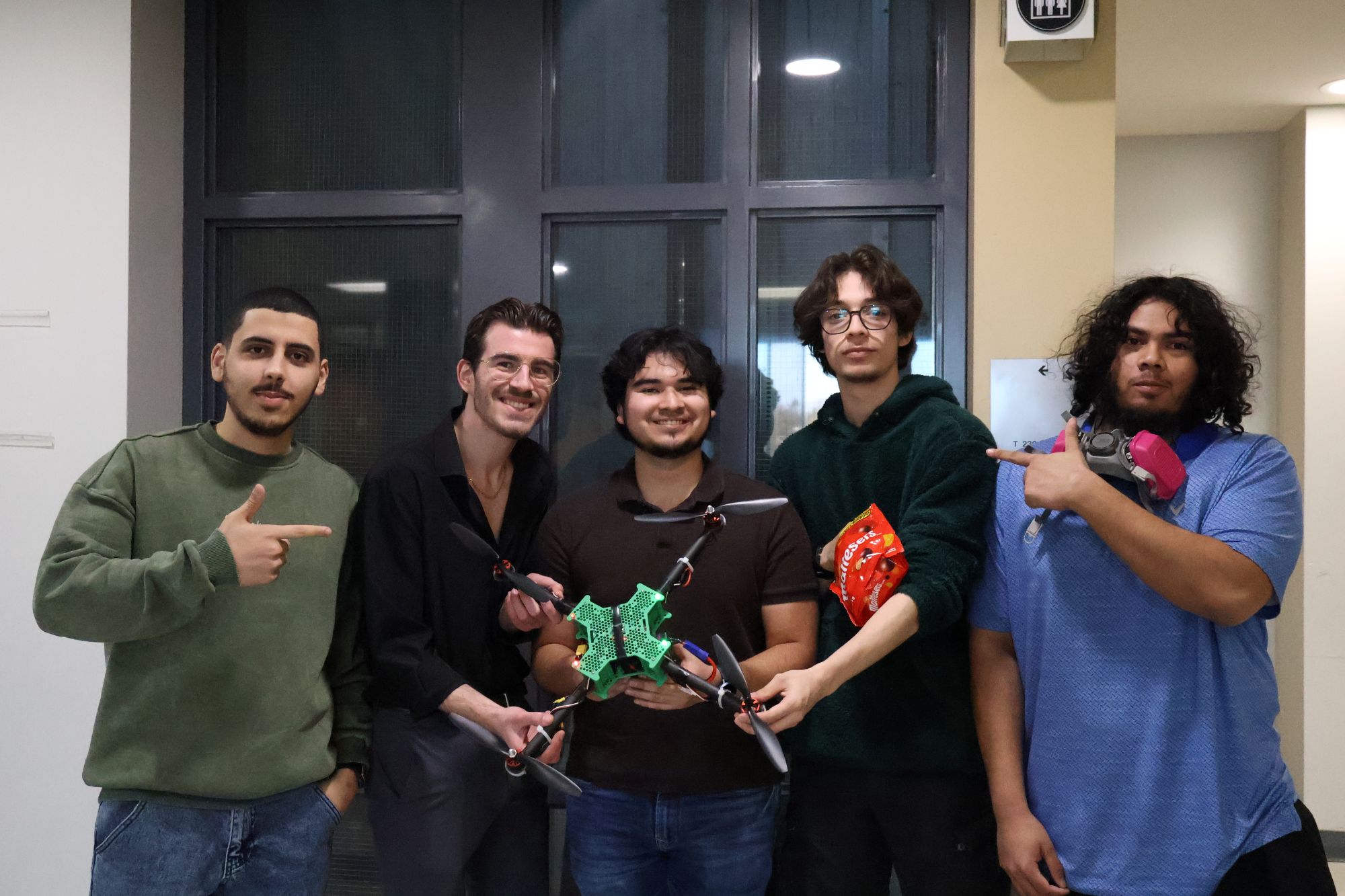
The team has been in Stage 1 of the project for some time, and many agree that it is finally time to move forward to Stage 2 — working on the drone’s autonomy and designated functions.
“The plan is to have it be autonomous, and that’s going to be the big part,” said Fethi-Henriquez.
“The plan for autonomy is to have it be not only able to navigate the surroundings, but be able to send the users a 3D map of everything. And, on top of that, it’ll be able to detect things using something called OpenCV, and that means it’ll be able to detect faces or see what a truck is and know what it is.”