
Snapchat ends its nine-year ride of unlimited storage
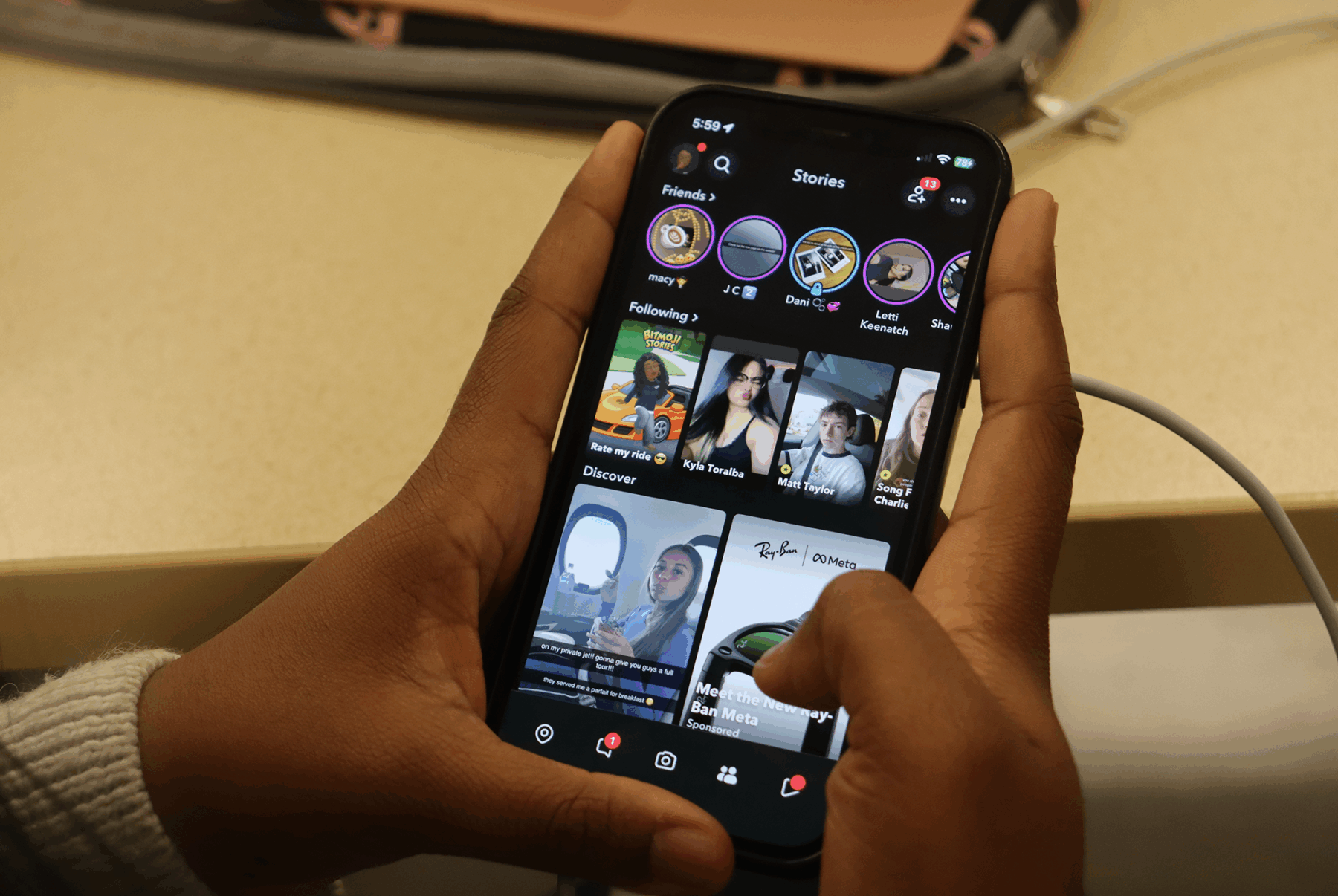
Snapchat’s new pay wall for photo and video storage is sparking concern among students over rising digital costs and shifts toward paid social media platforms.
On Sept. 26, Snapchat introduced its new payment plan for photo and memory storage. After nine years of free and unlimited storage, the popular social media app will be implementing a charge for users who have accumulated over 5GB worth of data. With the payment plan, memories will be able to hold 100 to 200GB for users who have Snapchat Plus or 5TB for those interested in using Snapchat Platinum.
For those who have exceeded that limit, users have 12 months of free storage until the plan goes into effect.
This drastic change for social media has come with an array of opinions from Algonquin College students and staff. They wonder if social media platforms are worth having if memberships are becoming the standard.
Maddie Wiggins, a broadcasting-television student at the college, can’t see the need for social media platforms charging their users, specifically Snapchat.
“I think it’s not worth keeping social media that makes you pay because it should be accessible to everyone,” Wiggins said.
“I don’t understand why they’re just starting to make people pay for social media now when it has been free for years.”
In 2022, Snapchat first introduced its subscription, Snapchat Plus, to give users access to extra features like chat wallpapers, instant streaks and custom ringtones for $3.99 a month. Following the membership train, as seen on X, formerly known as Twitter, the subscription was considered a stepping stone to boost the app’s engagement.

Troy Baker, an Algonquin College professor who teaches a social media course, understands why social media platforms start memberships.
“From a content creator standpoint, it makes sense; you need to know your analytics and you need to get your content up to more people,” Baker said.
“From a consumer standpoint, we all want things to be free, and they need to make revenue somehow, so this is the way that they do it.”
It’s not enough justification for some Snapchat users who have used the app to hold some of their most sacred memories.
Miranda Oliver, a former Algonquin College student and a long-time user of the app, is having a hard time justifying paying money for access to her own memories.
“Since you can’t save it to memories without paying, it removes a big part of what I use the app for,” Oliver said.
“I don’t really see a use in using it if I can’t have that feature anymore.”
This change doesn’t just stop with memories, but opens concerns for the finances of young adults.
According to data presented on Statista, almost 20 per cent of the app’s target market ranges between ages 13 and 17, with users over the age of 35 being considerably less likely to use Snapchat.
As prices like tuition, rent and groceries continue to rise, membership culture has become a disservice for young adults.
“I don’t like that everything is turning into memberships. These big companies, that are already very successful, are wanting more profit out of our own bank accounts,” Oliver said.
With no free storage alternative, users can still access memories through a download to their email.
Snapchat’s support team has created a step by process that shows users how they can download their personal data. This download would include:
- Their login history
- Account information
- Saved chat history
- Memories
- Purchase and shop history
- Snapchat support history
- Friends
- Locations
- Search history
- And Bitmojis
Check out Snapchat’s website for updates.