Food insecurity during the pandemic puts students’ health at risk
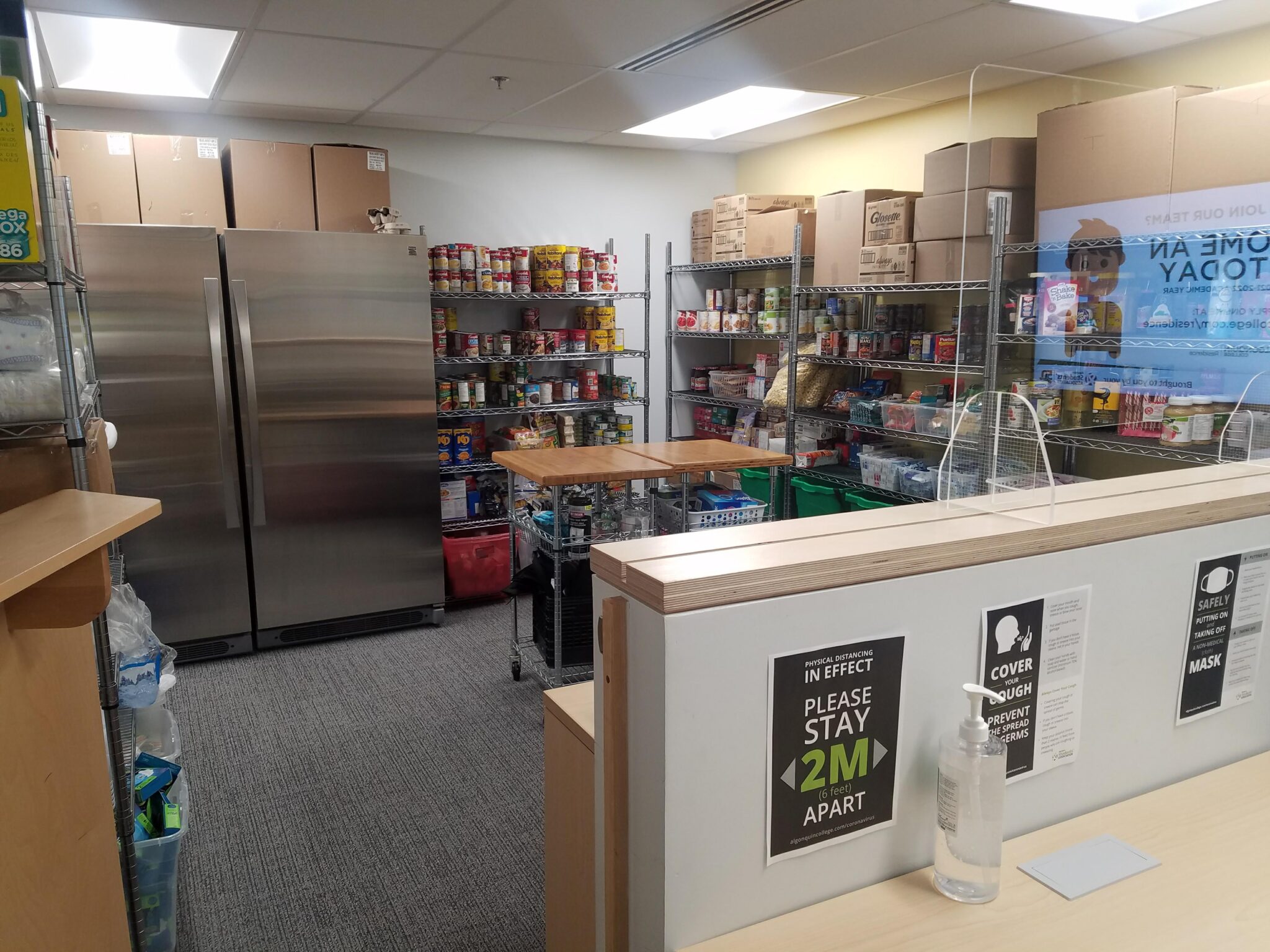
The Algonquin College Food Cupboard saw an 84 per cent increase in the number of students being helped in January 2021 compared to January 2020, according to Jessica McCabe, Students’ Association Food Cupboard coordinator. Specifically, 105 individuals sought support, up from 57 the previous January. “In the September 2019 to August 2020 time frame, 620 […]
Photo: Jessica McCabe
The Food Cupboard operates as an emergency food source for students in financial distress, offering a three-day supply of food once per month as needed

The Algonquin College Food Cupboard saw an 84 per cent increase in the number of students being helped in January 2021 compared to January 2020, according to Jessica McCabe, Students’ Association Food Cupboard coordinator.

Specifically, 105 individuals sought support, up from 57 the previous January.

“In the September 2019 to August 2020 time frame, 620 students were helped compared to 402 students so far from September 2020 to January 2021,” said McCabe in an email interview.

A recent check-in with the Algonquin College Food Cupboard and the Ottawa Food Bank reveals the pandemic has threatened food security in the community, leaving health and academic performance vulnerable.

Food security is “when all people, at all times, have physical and economic access to sufficient, safe and nutritious food to meet their dietary needs and food preferences for an active and healthy life,” according to the UN Food and Agriculture Organization.

“Many students have expressed the difficulties they have been facing since COVID,” said McCabe. “Whether they lost their jobs, or parents who were supporting them lost their jobs and are no longer financially stable enough to help them with food, bills, etcetera.”

Students needing resources beyond what the AC Food Cupboard can provide are referred to the Ottawa Food Bank and other community services.

“I have had more students needing and requesting the extra support,” said McCabe.

The Ottawa Food Bank provides food to 39,000 people per month through its 112 community programs, according to Samantha Ingram, communications manager for the Ottawa Food Bank and an Algonquin College alumnus.

The number of calls for emergency support increased 500 per cent in the first five weeks of COVID-19, said the Ottawa Food Bank 2019-2020 annual report.

“When CERB and other social supports kicked in, the phone lines started to quiet a bit,” said Ingram. “The numbers are still about 100 per cent higher than they were at the same time last year. No doubt it is related to the pandemic.”

The Ontario Association of Food Banks points to post-secondary students and recent university graduates as one of the fastest growing groups using food banks in the province.

“The prevalence of student food insecurity is higher than is experienced by Canadian society at large,” according to research at the University of Manitoba. “Studies consistently find student food insecurity rates range from 30 percent to 40 percent.”

Students living in food-insecure households experience lower grade point averages and difficulties concentrating at school, according to the Canadian study Food Insecurity in Higher Education.

But food banks are a short-term solution.

“All of the root causes of poverty need to be addressed before food banks can close,” said Ingram. “It’s complex and truthfully, I don’t have all the answers.”

She points to government responsibility saying there is a need for more affordable housing, increased social assistance that keeps up with inflation and higher numbers of stable jobs with sick leave as some potential solutions.

On Algonquin’s campuses, McCabe has a suggestion for how the college community can encourage change.

“We can help ensure food security by talking about it,” she said. “Not everyone is aware of the struggles that some students face in their inability to purchase food or having to pay rent over buying groceries for their household.

“There is still a stigma about accessing food banks. The more we talk about it the more “normal” it will be,” she said. “Access to food is a right and should not be a privilege.”

Where to find emergency food:

https://www.algonquinsa.com/services/food-cupboard/

The Food Cupboard is open for food pickups on Mondays and Wednesdays by appointment only.

To donate:

Donate goods to AC Food Cupboard

https://www.algonquinsa.com/services/food-cupboard/

Donate money to AC Food Cupboard

Algonquin College Advancement website

Algonquin athletes eager to return to the court

Liam Hickey, a student at Algonquin College and a guard on the Algonquin Thunder men’s basketball team, is excited to return to basketball for the Thunder. Before the lockdown, he was on campus from 9 a.m. to 11 a.m. on weekdays and at 8 a.m. on Saturdays. “Working on my shot, working on my game. […]
Photo: Connor Black
Algonquin College athletes look forward to returning to sports in the near future.

Liam Hickey, a student at Algonquin College and a guard on the Algonquin Thunder men’s basketball team, is excited to return to basketball for the Thunder.

Before the lockdown, he was on campus from 9 a.m. to 11 a.m. on weekdays and at 8 a.m. on Saturdays.

“Working on my shot, working on my game. Trying to stay active,” Hickey said. “I think all the guys are hungry and we want to just get back in the gym.”

Hickey also continuously keeps in touch with his fellow teammates.

“I keep in contact with pretty much all the guys. We have a group chat on social media so we keep in contact pretty much every day,” said Hickey.

The Algonquin Thunder have now been off the fields and courts for 10 long months, with the last game having been on Mar. 8, 2020, when the college women’s basketball team played their last game.

With Ontario Colleges Athletic Association’s (OCAA) varsity program shut down for the foreseeable future, many college coaches and athletes have been left without access to fields, courts and gyms to hone their skills through coaching and playing their respective sports.

“Coaches have always had their mind on the sport,” said Ian Campbell, the athletics communication and events coordinator at Algonquin College. “It is what they love and it is always running through their minds.”

When the Thunder does get the green light from the OCAA to get back unto the fields, courts and gyms, Campbell says, “it will be a scramble for all the OCAA teams, not just the Thunder.”

However, the Thunder has a lot to look forward to in the near future. The ARC, Athletics and Recreation Centre, is scheduled to open at the end of August 2021, which offers a fitness zone, fitness classes amongst other training facilities.

But for now, Algonquin’s athletes are keen to get back to the game.

“We’re excited to get in there and get back to work,” said Hickey. “We’re also looking forward to being the first team playing in that gym.”

“Some will be a bit tentative about it all,” said Campbell. “There will be some of the athletes chomping at the bit to get back to doing what they love most.”

Brian Fraser’s friends and colleagues remember his passion for helping

Brian Fraser, a former technical producer for The Morning Rush with Bill Carroll on 580 CFRA and an Algonquin College radio broadcasting graduate, died Thursday, Feb. 25 after a two-year battle with leukemia. He was 26. Fraser used his struggle with leukemia to raise awareness about the importance of donating blood, using his following on […]
Photo: Provided by Dan Mellon
Brian Fraser, left, would visit Algonquin as a working grad to guest lecture for classes in the radio broadcasting program.

Brian Fraser, a former technical producer for The Morning Rush with Bill Carroll on 580 CFRA and an Algonquin College radio broadcasting graduate, died Thursday, Feb. 25 after a two-year battle with leukemia.

He was 26.

Fraser used his struggle with leukemia to raise awareness about the importance of donating blood, using his following on social media to spread the word.

Friends and professors describe him as humble and helpful.

Dan Mellon, a professor in the radio broadcasting program and program coordinator, says that Fraser had a passion for radio, but like many students who come in their first year, he had a bit of a rough start in the program.

“I said to Brian after the first semester: ‘You know what? Come back again next year. Reset. You obviously have a passion for this,'” Mellon said. Brian did and the second time around he knocked it out of the park. Mellon explains that upon graduating he got a job at Bell Media in Ottawa for 580 CFRA and TSN.

“He was a great guy, very helpful. You know, he was liked by all his classmates,” Mellon said. “He would often try to make himself available to the newer students just to help mentor. Anything that was ever asked of him – whether, by teachers or students – he was always the first to volunteer.”

Callum Fraser, a news anchor and producer at 580 CFRA who is not related to Brian, believes that his co-worker was the best technical producer at CFRA. He could manage many different things at once all while paying close attention to detail.

“Whether it’s playing clips, getting audio, talking to people on the phone, joining in on the conversation, posting audio, or tweeting out things,” said Fraser. “They may seem like mundane things, but to do all those things at the exact same time, while actually listening to the show and making sure you’re engaged was incredible.”

Callum Fraser(right) mentions that regardless of the circumstance if Brian was with friends, family, or people he was close to; he was the happiest human being.
Callum Fraser, right, says that regardless of the circumstance if Brian was with friends, family, or people he was close to; he was the happiest human being. Photo credit: Provided by Callum Fraser

In fact, Fraser, who is a graduate of Algonquin’s journalism program, says the reason he is able to work as a technical producer at CFRA today, is because he was able to watch Brian and learn from him.

David Smith, the producer for The Rob Snow Show for City News Ottawa, says the Brian influenced his career as well. Smith first met Brian during his internship with Algonquin’s journalism program. He did three weeks at 580 CFRA on The Morning Rush with Bill Carroll where he worked closely with Brian. After his internship ended the station offered him a job as a radio board operator – a technical producer.

“I talked to Brian about it and I was like: I’m kind of on the fence about taking this job because I don’t really know what I’m doing,” Smith said. “This isn’t something I really envisioned for myself, I’m not really sure what the job entails. Brian said: ‘look you’ll come and do all your training with me and I’ll teach you everything you need to know and I think you’d be really good at this.'”

When Smith finished all his training, he became the guy who could fill in for Brian if he needed a vacation. Over text or in person, Smith said Brian was a mentor to him.

Zach McGibbon, a news writer and anchor for 580 CFRA and an Algonquin radio broadcasting alumnus, met Brian during their time at Algonquin College.

“We were both sports guys,” McGibbon said. “In our first year, we broadcasted Nepean Raiders games. He was the guy who made sure everything was set up technically, he showed me different tricks. He was that sort of guy who was just a friendly voice. You could always go to him. Just a tremendous dude.”

Brian Fraser(right) had a passion for sports and brought that in his play-by-play commentary for Nepean Raiders games
Brian Fraser, right, had a passion for sports and brought that in his play-by-play commentary for Nepean Raiders games Photo credit: Provided by Dan Mellon

Brian had a passion for sports which he also carried over to everything he did.

“His passion went through not only just sports but also when he was doing radio,” said McGibbon. “When he put his mind to something he gave it 110 per cent. He put that with spreading of the message of blood donations and being so open he really inspired a lot of people.”

David Smith can’t overstate how passionate Brian was about helping people and being involved.

“The blood donation thing stemmed from – as previously mentioned, his desire to be doing productive things and helping people,” he said.

Brian’s efforts to spread the message of blood donations eventually led to him appearing on CTV National News for an interview with news anchor Lisa LaFlamme.

Callum Fraser remembers watching his friend and coworker appear on CTV a month into the pandemic’s arrival.

“I remember one morning he popped on my screen as they were waiting for Trudeau to start speaking,” he said. “That was just incredible. I remember he was in the hospital I’m pretty sure. I think it was the second time the leukemia came back. I just remember the poise and grace he was able to show in that interview with Lisa.”

Brian is survived by his father Rick, mother Sheila, and his brothers Ian and Tait.

AC Dog Squad still helping out one student at a time through social media

Before the COVID-19 pandemic, the AC Dog Squad was formed as a mental health resource for students and staff in need of a furry pick-me-up while participating in events or simply roaming the college halls. Although the squad is not active on campus just now and are working from home, they have kept their fans […]
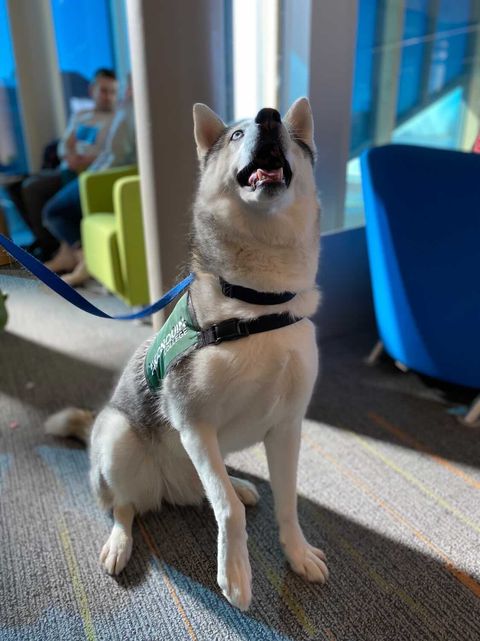
Ricky, a husky, boosted students' morale when he visited them on campus before the pandemic.

Before the COVID-19 pandemic, the AC Dog Squad was formed as a mental health resource for students and staff in need of a furry pick-me-up while participating in events or simply roaming the college halls.

Although the squad is not active on campus just now and are working from home, they have kept their fans up to date on their many dogs through both their Twitter and Instagram accounts.

Since the creation of the AC Dog Squad in 2019, they have recruited over 15 dogs that have received their certifications for both the assessment and training program.

“It was unheard of at the time to have this kind of initiative on campus,” said Tracy McDougall, director of the president’s office and communications, when the project was first introduced.

McDougall is a member of the AC Dog Squad with her dog Monte, a four-and-a-half-year-old golden doodle. McDougall and her dog were one of the first to take part of the AC Dog Squad.

“When we brought the idea of the dog squad, I thought ‘Wow, this is interesting! Hey, I have a dog, wouldn’t it be fun to be part of something new to the college and that can help me interact with students more,’” said McDougall.

“In my position, I don’t get away from my desk very often since I’m in meetings constantly. I’m not the kind of person to go get coffee or go out for lunch,” she said. “So, joining the dog squad forced me to get out and engage with the student body.”

Tracy McDougall and Monte, golden doodle, are working from home and keeping in touch with students trough virtual meetings.
Tracy McDougall and Monte, a golden doodle, are working from home and keeping in touch with students trough virtual meetings.

Ben Schizkoske, 19, a business administration student, first met the squad at AC Day 1 during his first semester back in 2019, where the COVID-19 pandemic was not yet in view. The AC Dog Squad was stationed in front of the Algonquin Commons Theatre.

“They directed me to their Instagram account, so whenever they posted that there were on campus I would know immediately and meet them,” said Schizkoske.

Out of all the dogs he had met, Schizkoske preferred both Ricky, a five-year-old husky, and Jessie, the seven-year-old bulldog.

“The dog squad is awesome,” said Schizkoske. “They helped me get through study sessions and homework. Without them, it would have been a lot harder to stay on track with my homework.”

Claire van Eeghen, a 28-year-old 2020 graduate in the event management program, is also a fan.

“I met the dog squad like a lot of other students, just by wandering the halls and seeing all these friendly canines wandering around and being curious,” she said. “I talked to the person who was with the dogs. Hearing that they were a mental health initiative on campus, I thought that was really awesome.”

Although van Eeghen would not choose a favourite dog, she remembers the positive impression Fozzie, a five-year-old mix, and Ricky, a five-year-old husky left with her.

“I always took every opportunity to hang out with the dogs,” said van Eeghen. “I think it’s great that even if we can’t have students on campus, the dog squad is still thriving to have that mental health initiative continue by putting content up on social media.”

Balancing classes and a baking business is hard work – with sweet results

While many small business owners have had a rough year dealing with COVID-19, Laura Palmer’s new baking business in Sault Ste. Marie, Ont. tells a different story. Palmer, a student in Algonquin’s food and nutrition management program, started her own baking business called Laur’s Kitchen in June, where she bakes her pastries and desserts at […]
Photo: Photo supplied by Robin Lewis-Palmer
Laura Palmer is no stranger to the business atmosphere as she begins her own.

While many small business owners have had a rough year dealing with COVID-19, Laura Palmer’s new baking business in Sault Ste. Marie, Ont. tells a different story.

Palmer, a student in Algonquin’s food and nutrition management program, started her own baking business called Laur’s Kitchen in June, where she bakes her pastries and desserts at home and sells them through her Instagram account.

“I could remember baking my whole life,” said Palmer. “I think that’s probably because of both my grandmothers that put that in me. After I graduated university, I just had nothing going on as far as plans for the next few months. So I decided to start baking and selling it on Instagram and it really took off from there.”

At times, however, balancing her business and school, has caused some strain.

“It can get tough sometimes. With everything online it’s definitely easier because I can multitask while I’m in lectures, which I probably shouldn’t do, but I do it anyway,” Palmer joked. “It can be overwhelming, so I’ll get really busy weeks sometimes, but so far It’s been okay as far as managing both.”

Palmer works alone and tackles her work at the beginning of her day making the pastries she sells.

“It usually starts early in the morning, maybe I’m starting to bake at 8 a.m., depending on what I’m doing,” said Palmer. “Usually it’s donuts every day. So I start making the dough, and then usually I’m done most of the baking by about 2 or 3 p.m. for that day. Then after that, I have to start prepping everything again for the next day. So it’s really long hours.”

Unlike other small businesses that have been severely impacted by COVID-19, Palmer hasn’t had too much trouble, as she started up the business in the midst of the pandemic.

“I started it once COVID-19 was already here, so I haven’t really been affected by it. I guess one thing would be with less people are having events so there’s less of a reason to buy things like cakes and cupcakes, but so far I’ve been managing okay with the orders that I do get,” Palmer said.

Marina Cuglietta, a frequent customer at Laur’s Kitchen, praises the work she’s put into her business and the food she sells.

“My family and I have ordered multiple times,” Cuglietta said. “We have ordered decadent donuts, sugar free donuts, peanut butter chocolate cake, red velvet raspberry chocolate ganache cake, macaroons and cupcakes as well. We enjoy her quality, everything is very tasty and we are impressed with the work she does.”

Palmer’s most popular desserts are donuts, although it is hard work to make them.

“It takes about three hours to make one batch,” she said. “It’s probably the most labour-intensive thing I offer.”

Palmer says has been pleasantly surprised with the amount of success she has achieved since launching her baking business.

“The amount of support I’ve had in Sault Ste. Marie has been incredible so far,” Palmer said.

Although now more than ever things look impossible to accomplish and begin, Palmer has some words of wisdom for those looking to start their own business.

“Just do it,” Palmer said. ” You will regret not starting it sooner. If you are prepared to, you might as well start it. I waited a few months before I even started my account for all of this and I wish I’d done it earlier because it just would have been even that much more successful by this point.”

Celebrating Black History Month in the past, present and future

For Deena Hassan and Grace Grant, Black History Month may be a time to acknowledge Black culture and the important figures that have contributed to our society, but it’s also important to recognize that these conversations should be happening year-round. “Quite honestly, that should be standard beyond the month of February,” said Grant. This past […]
Deena Hassan, one of the BIPOC club leaders, started the club to create a safe space for Black, Indigenous and people of colour students.

For Deena Hassan and Grace Grant, Black History Month may be a time to acknowledge Black culture and the important figures that have contributed to our society, but it’s also important to recognize that these conversations should be happening year-round.

“Quite honestly, that should be standard beyond the month of February,” said Grant.

This past year, a more concerted effort has been put into sharing stories from Black voices. Included in this movement are members of the Algonquin College community, such as Hassan, Grant and many others.

Hassan and Grant are both in their second year of the collaborative bachelor of science in nursing program. They are also both leaders of the Black, Indigenous and People of Colour club at the college.

Grace Grant is in her second year of the collaborative Bachelor of Science in Nursing program and a club leader for Algonquin's BIPOC club.

“This club aims to foster inclusion and diversity,” said Hassan.

They both started the club in January 2021 with the intention to create a safe space for BIPOC students on campus so they could be comfortable enough to share their stories.

“Usually, anytime Black or people of colour are brought up, it’s usually in this ‘surviving racism’ narrative and that can be mentally exhausting, so this is just a space where it doesn’t always have to be about that,” said Hassan.

Celebrating Black History Month is about more than reliving the past — it’s a time to also celebrate the present.

Sharing the stories of Black people doing great things is an idea that Shane Brady, a first-year office administration student at Algonquin College, agrees with.

“I always tell people, there’s no hegemony, there’s no one thought of Black excellence and what we want to do,” said Brady.

“I believe that Black History Month has kind of served a certain purpose, but I believe that Black History Month as a whole should be taught and brought up throughout the year," says Brady.

This month for Brady is about more than just celebrating the month. He takes this as an opportunity to continue to educate himself.

“I believe that Black History Month has kind of served a certain purpose, but I believe that Black History Month as a whole should be taught and brought up throughout the year,” said Brady.

Brady is an active member in his program — he was elected to the position of class rep as a liaison between the class and the program coordinator. He participates in student rep meetings where addresses students concerns, comments and general questions.

He’s also active in the city spending his free time doing volunteer work for Shepherds of Good Hope where he hosts game nights on Wednesdays.

“It’s one thing I always tell people,” said Brady. “I get you have your life ambitions and stuff, but it’s cool to like be involved in your community.”

Brady also has a podcast with his friends called The Not So Chivalrous Podcast. The podcast host discusses topics like integrating Black people into society, the police system and how he sees things in the world as a Black man.

He knows some people won’t agree with his thoughts, but Brady finds that if we’re able to lead these conversations as Black people and as people of colour, then we can have a lot more of an influence on how things look moving forward past just the month of February.

Mood Check: What do students have to say about their winter activities this year?

Although winters in Ottawa are snowy and cold, for some the season is also a time to enjoy outdoor activities with loved ones and friends. However, COVID-19 restrictions have made this year’s winter activities a little different with maintaining social distance and following certain rules. On Monday, Feb. 8 and Friday, Feb. 19, Algonquin Times […]
What do students have to say about their winter activities this year?

Although winters in Ottawa are snowy and cold, for some the season is also a time to enjoy outdoor activities with loved ones and friends. However, COVID-19 restrictions have made this year’s winter activities a little different with maintaining social distance and following certain rules.

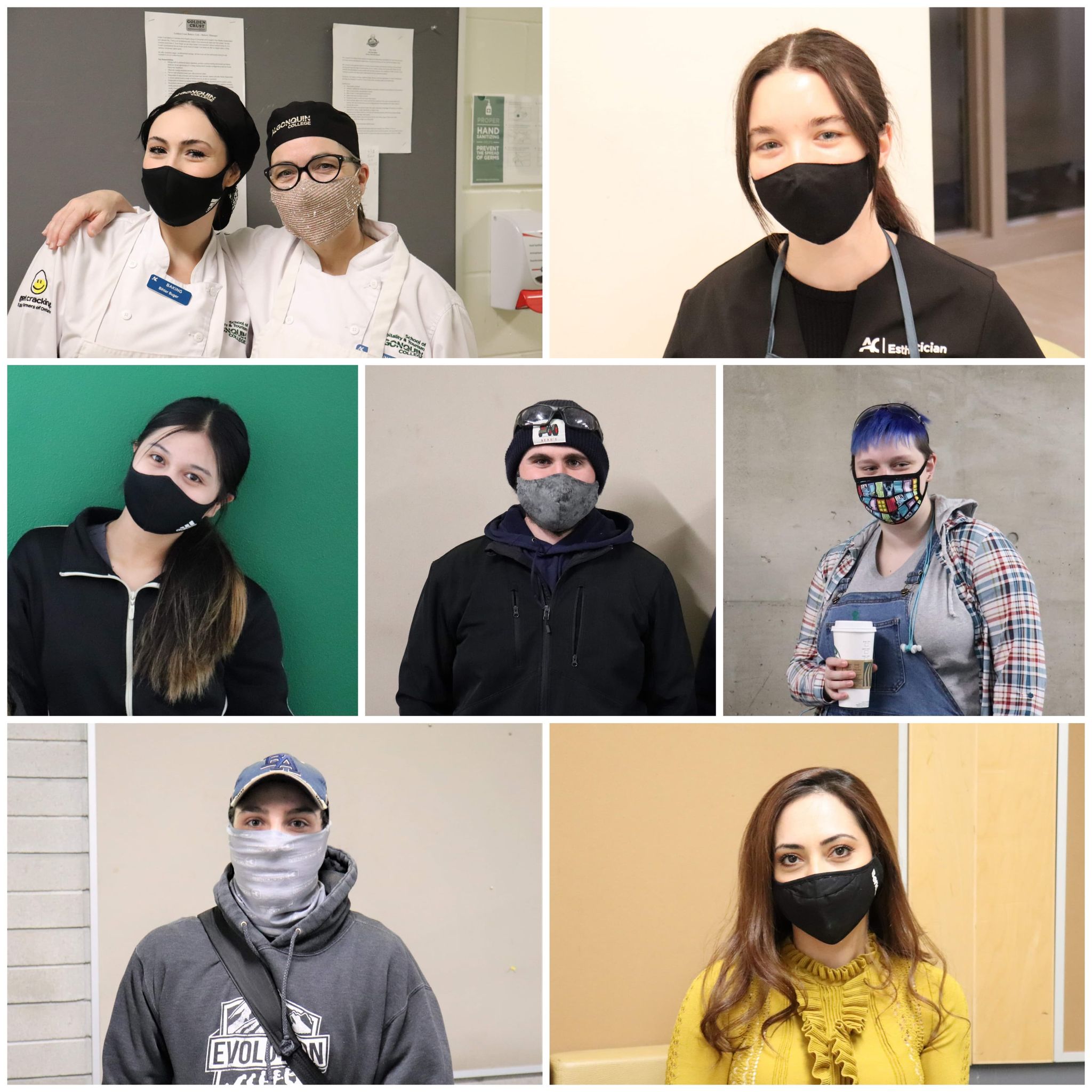
On Monday, Feb. 8 and Friday, Feb. 19, Algonquin Times reporters asked students on campus what their favourite winter activities are and what they are missing the most this season.

This is what students had to say.

Emily Lanni-Lucio
Emily Lanni-Lucio Photo credit: Mohit Kumar

Name: Emily Lanni-Lucio

Program: esthetician

Thoughts: “I usually go skating during the season but I didn’t go this year due to restrictions from the government and I wanted to focus on school.”

Mathieu Carriere
Mathieu Carriere Photo credit: Mohit Kumar

Name: Mathieu Carriere

Program: carpentry and renovation techniques

Thoughts: “I simply love winter activities. Sometimes I take my ski-doo for a ride and I enjoy the speed. I also went ice-fishing recently, which is a task full of patience.”

Raghad Alhaddad
Raghad Alhaddad Photo credit: Mohit Kumar

Name: Raghad Alhaddad

Program: computer systems technician

Thoughts: “Honestly, I have never performed any winter activity because my three kids and school work keep me busy, but I do want to learn to skate. It seems hard to keep the balance on the blades but I will try one day.”

Quintan Hunt
Quintan Hunt Photo credit: Mohit Kumar

Name: Quintan Hunt

Program: cabinetmaking and furniture technician

Thoughts: “I love skating — this year has been a little different, but usually I go skating up to three times a week. I also play hockey with my friends.”

Megan Carroll
Megan Carroll Photo credit: Mohit Kumar

Name: Megan Carroll

Program: dental assisting

Thoughts: “Since I live on the countryside, I go skating and snowmobiling a lot. My cousins also have a hockey rink that we use frequently. I also went to the canal last Saturday for skating. One winter activity that I wouldn’t try is snowboarding — seems too dangerous.”

Bihter Buger (L) Kathrine Brassard (R)
Bihter Buger (L) Kathrine Brassard (R) Photo credit: Mohit Kumar

Name: Bihter Buger (L) Kathrine Brassard (R)

Program: baking and pastry arts management

Thoughts (Buger): “I like skiing and skating. I go to the Rideau Canal for skating and some other rings. For skiing, I go to Camp Fortune, but not this year, due to COVID-19.”

Thoughts (Bassard): “I go cross-country skiing with my husband and we both enjoy it a lot. I’m also fond of ice fishing. I may not always be successful in catching a fish but I still like it.”

Mellisa Ross
Mellisa Ross Photo credit: Mohit Kumar

Name: Mellisa Ross

Program: cabinetmaking and furniture technician

Thoughts: “I once went skiing and broke my ankle, that was my first and last time. But I do like to skate.”

Mary Paunat
Mary Paunat Photo credit: Mohit Kumar

Name: Mary Paunat

Program: dental assisting

Thoughts: “I’m not into a lot of winter activities. Tubing is my favourite winter activity, it’s easy and fun. I went to the canal last week and was surprised to see no BeaverTails.”

-With files from Jennifer Suttle

Protests and arrests continue across Haiti as struggle between President and opposition rages

Local News Ottawa Citizen: A service reduction request for Ottawa’s LRT system has been made by OC Transpo. In exchange for $100,000, there will be a reduced number of trains during morning hour peaks in March and April. Previously 15 train cars have been required for the mornings, but now it will be reduced to […]

Local News

Ottawa Citizen: A service reduction request for Ottawa’s LRT system has been made by OC Transpo. In exchange for $100,000, there will be a reduced number of trains during morning hour peaks in March and April. Previously 15 train cars have been required for the mornings, but now it will be reduced to 11 for the 2-month period. Due to lower ridership during the pandemic, the Rideau Transit Group will take advantage of the scheduled reduction by performing upgrades and maintenance.

National News

CBC: Canada’s vaccine ramp-up to start this week with a renewed promise from Pfizer. It’s agreed to boost its delivery by an additional 2.8 million additional doses between April and June and add an extra 6.2 million between July and August. Intergovernmental Affairs Minister Dominic LeBlanc confirms Canada is going to see a significant ramp-up in these last weeks of February and into March. The next phase of vaccines will go to those over 80 as well as Indigenous communities.

International News

CBC: Protests and arrests continue across Haiti as ongoing struggle between President Jovenel Moise and opposition rages. Moise has been ruling the country without the nation’s parliament since January 2020 and is backed the US government.

Campaign kicks off for board of governors election in March

The Algonquin community is set to choose student and academic staff representatives for the college’s board of governors. Students and Algonquin academic staff will be able to vote online through ACSIS starting March 10. The campaign for the student and academic 2021 board of governors started on Feb. 16. The Algonquin College board is made […]
Photo: Andrea Sternberg
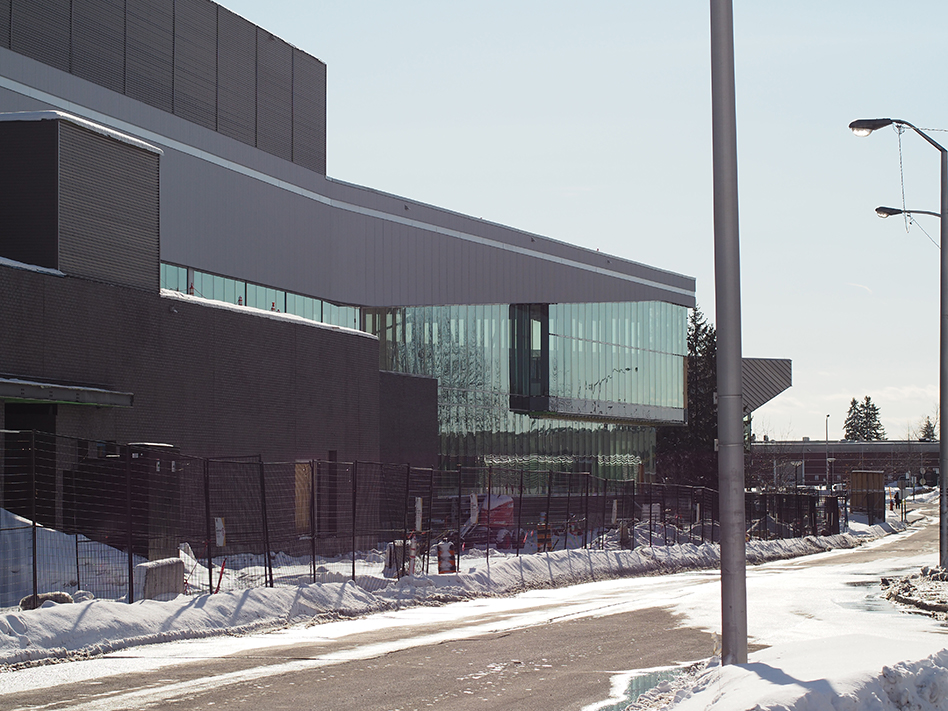
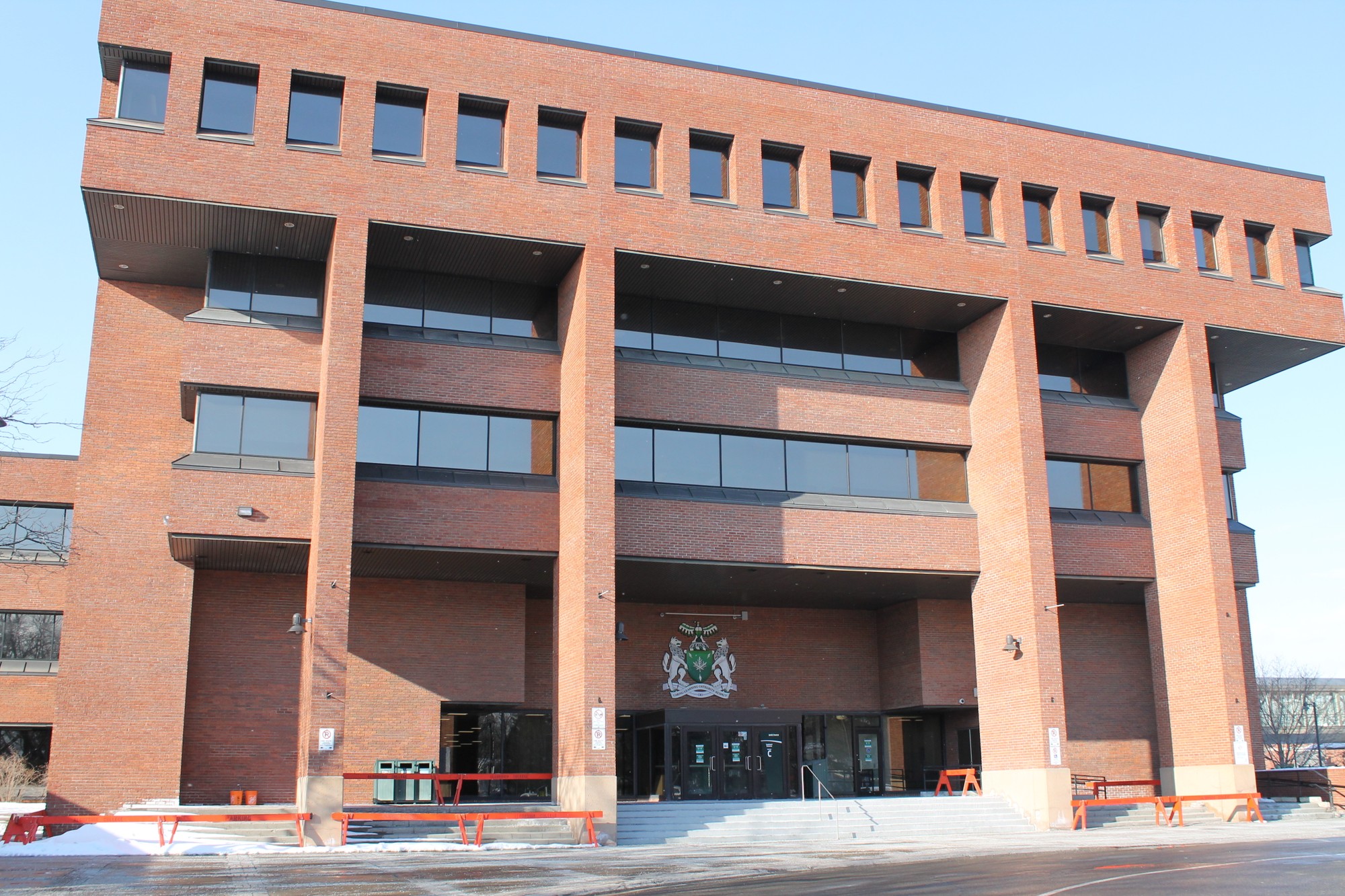
Building C at Algonquin College, the headquarters of the Board of Governors.

The Algonquin community is set to choose student and academic staff representatives for the college’s board of governors.

Students and Algonquin academic staff will be able to vote online through ACSIS starting March 10. The campaign for the student and academic 2021 board of governors started on Feb. 16.

The Algonquin College board is made up of 16 members, four of which are appointed by the province, eight who are selected by the board and four who are elected by various constituencies within the college.

In the race for the student representative, Cyan Shields, a third-year student in the computer systems technician program is running unopposed. All students enrolled in a minimum of three courses a year online, or a minimum one in class in-person at the college can vote in this race.

There is a three-way race for academic staff representative between Anastasiya Labelle from the school of Media and Design, Jon Parker, a professor from the media and communication studies program and Rebecca Wakelin, who chairs Teaching and Learning Advisory Group.

Here are a few things you should know about what the board is and does according to Duane McNair vice president of finance and the bylaws for the board of governors.

-The board is the highest authority in the college and in practice oversees the decisions made by college management on all issues related to the operating of the college.

-The board is responsible for hiring the president and reviewing their performance.

-The board passes ordinary motions though majority votes but votes to change or amend bylaws require a two-thirds majority.

-Noteworthy votes taken by board include votes on tuition raises, compensation, labour disputes and more.

-Four positions on the Algonquin board are open for Algonquin staff and students to be elected to. One representative for students, one representative for academic staff, one representative for administrative staff and one for support staff.

-There are only elections for the student and academic representatives this year as the terms for the four positions do not sync up with each other.

Here is how the election works according to McNair and the board governance policy on the Election of Internal Members to the Board of Governors

-The term for the student representative will last one year. The academic staff representative will be appointed to a three-year term.

-The board verifies the eligibility of the candidates, ensures the integrity of the election, counts votes, and announces a winner.

All professors, instructors, counsellors or librarians can vote in this race.

The Algonquin Times will keep an eye on developments in the election.

Skills and passion can be used to earn a livelihood

When Kyle Cooke, an Algonquin music industry arts student, first started mixing beats in his basement at the age of 17 living in Gatineau, he realized he didn’t just want it to be his passion: he wanted it to be his profession. “Love for music was always around,” said Cooke, now 26. “But when I […]
Photo: Mohit Kumar
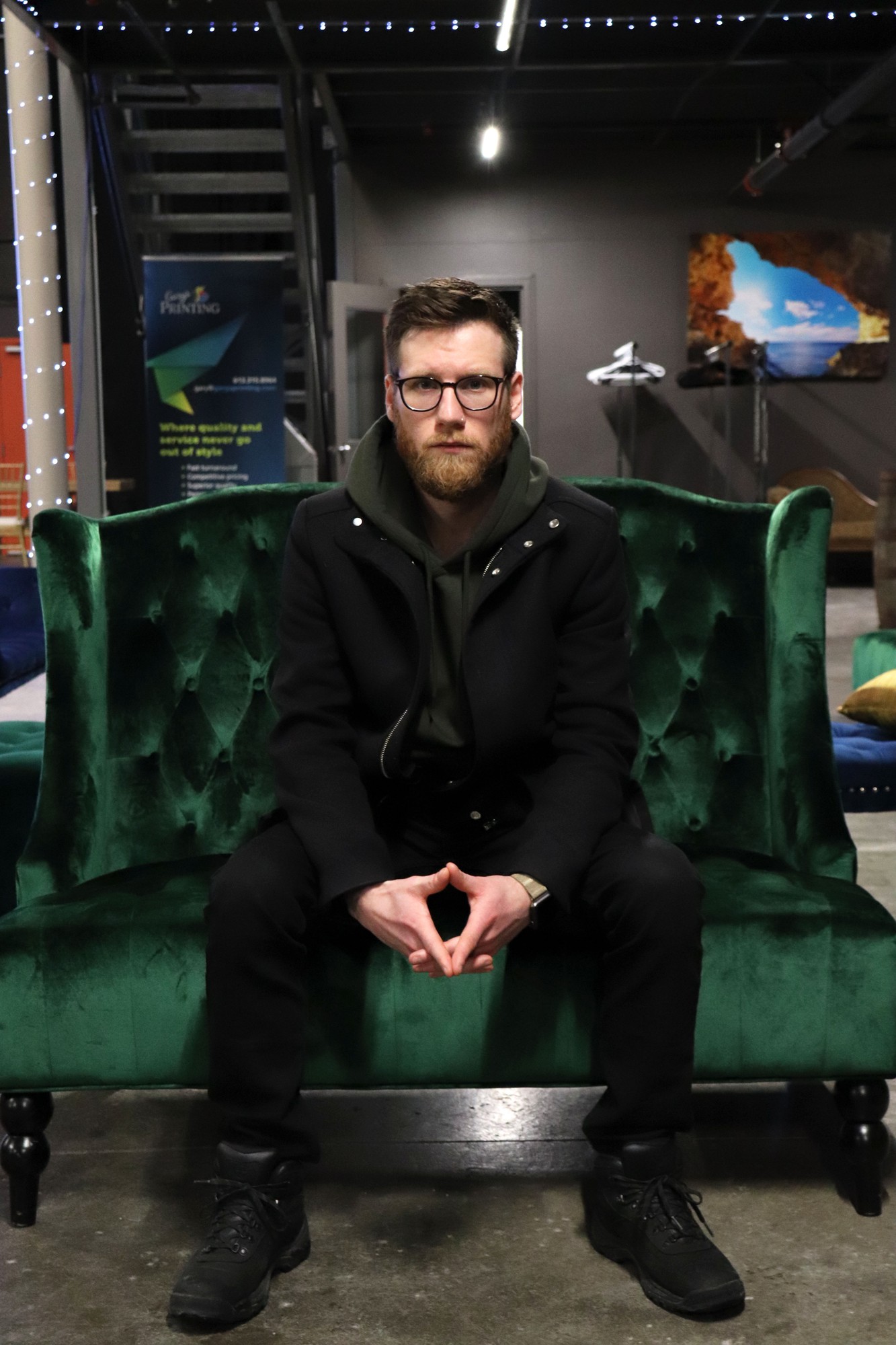
Kyle Cooke attends college while working at his home studio as his side hustle.

When Kyle Cooke, an Algonquin music industry arts student, first started mixing beats in his basement at the age of 17 living in Gatineau, he realized he didn’t just want it to be his passion: he wanted it to be his profession.

“Love for music was always around,” said Cooke, now 26. “But when I heard “Make It Rain,” that’s what really got me into music. Eventually, I decided to learn it.”

During the initial years of his career, Cooke made beats on his own by using different software and YouTube that helped him gain the required skill for the basics.

Cooke has collaborated with over 200 different local artists by producing beats, mixing songs and even featuring in some tracks. He also believes that working with different artists helps with producing diverse music that cannot be categorized under a single genre.

His career took a new turn when he discovered Algonquin’s MIA program where he could polish his skills.

“I never knew there was a course that offers proper music classes until last summer,” said Cooke. “I joined Algonquin College to learn the engineering behind songs and also the business aspect of the industry.”

Cooke joined Algonquin college just before the first lockdown. His second semester was postponed, but he eagerly waited for the college to reopen because he was in awe of what the studio at the college has to offer.

“He is busy outside the college as well. He has been working as a producer and engineer,” said Colin Mills, the program coordinator for the music industry arts program at Algonquin College. “He is pretty engaged and outgoing in the class and was in the industry even before he started college.”

Cooke works tirelessly on music production in his home studio, NU Vision, and also works at UNIYEN studios in Ottawa. Usually, clients visit him for music and mastering.

“Unlike Toronto, Ottawa is still a young city when it comes to making trendy beats and music,” said Cooke. “Ottawa locals are trying very hard and I believe in the coming five or six years Ottawa will be giving competition to Toronto and Montréal.

Cooke is currently working on various domestic and international projects, including a song featuring rappers based in Atlanta, and a future collaboration with O.T. Genasis.

“My key to making good music is my mindset,” he said. “The mindset of a student who is always willing to learn new things. Music is my emotion and love and I enjoy making every bit of it. The lockdown has given me a chance to know music more deeply which grew my connection to music. I hope one day Ottawa will get recognition for its music and talent.”

Algonquin Times horoscopes
Follow Algonquin Times on Instagram
Algonquin Times podcast
Algonquin Times on Instagram
Algonquin Times horoscopes
Algonquin Times on Instagram
Follow Algonquin Times on Instagram
Algonquin Times podcast

Stay Informed

Sign up for our newsletter

Subscribe

* indicates required