Event management students host virtual fundraiser for Candlelighters
The event management program wants you to catch a flight with them as they explore craft beer during an airline-themed fundraiser online March 20. The fundraiser is benefiting the Candlelighters, a childhood cancer support program. The students decided on an airline theme to play on the flights of craft beer you would sample if you […]
“We were thinking about what we were passionate about and what are things we would do in our daily lives in a non-COVID place,” says Middlé Lemoine.

The event management program wants you to catch a flight with them as they explore craft beer during an airline-themed fundraiser online March 20.

The fundraiser is benefiting the Candlelighters, a childhood cancer support program.

The students decided on an airline theme to play on the flights of craft beer you would sample if you were at a brewery.

Middlé Lemoine, 33, a student in the event management program, has already completed post-grad work and was looking to develop her skill set in events.

“We were thinking about what we were passionate about and what are things we would do in our daily lives in a non-COVID place,” said Lemoine. “We would be going out with our friends, we would be going to pubs, we would be experiencing new things around the city.”

Once the drink theme was chosen, the team quickly came up with a full itinerary of remote activities for participants to enjoy from the comfort of their own homes.

The event will start with a masterclass taught by a cicerone, a second-level beer expert, who will teach attendees about the different components of beer.

Geneviève McAllister
One of the ways the charity supports families is by offering to pay for parking passes when patients are having appointments, explains Geneviève McAllister.

“After that we have two breweries coming in to tell you about each beer that they are showing,” said Geneviève McAllister, 24. “Then we have a chef component who will tell you how to pair the breweries beer with what types of food.”

Be prepared to test your memory at the end of the evening.

“Then we tie it all together with some pop culture trivia, to put your knowledge to the test and see how much you learned throughout the night,” said McAllister.

Cristina Mondragón oversees the social media for the event and is amazed at how well fundraising has kicked off with their silent auction.

Cristina Mondragón

“I’m very excited because we’re getting a lot of traction during the past few weeks,” said Mondragón. “We’ve already started collecting money for Candlelighters. In the model of giving to people who need it most, Candlelighters have not been able to host all the events they regularly would. This kind of event is helping them raise money for the cause.”

One of the ways the charity supports families is by offering to pay for parking passes when patients are having appointments.

“It sounds sad to talk about, but it’s a thing that not a lot of people know about,” said McAllister. “It goes so far past a cancer diagnosis. There are extra things that families have to take on. Of course they try to connect them with counselling and other things. It’s not as obvious unless you’ve been through the situation.”

During the event there will be videos featuring families who have benefited from the support of the charity.

The goal is to raise $1000 for the charity through a silent auction offering prizes like gift cards, his-and her-watches and merchandise from breweries.

The event takes place March 20 at 6:30 p.m. and the silent auction closes at 9:30 p.m. the same night.

Mood Check: What have you learned from the pandemic?

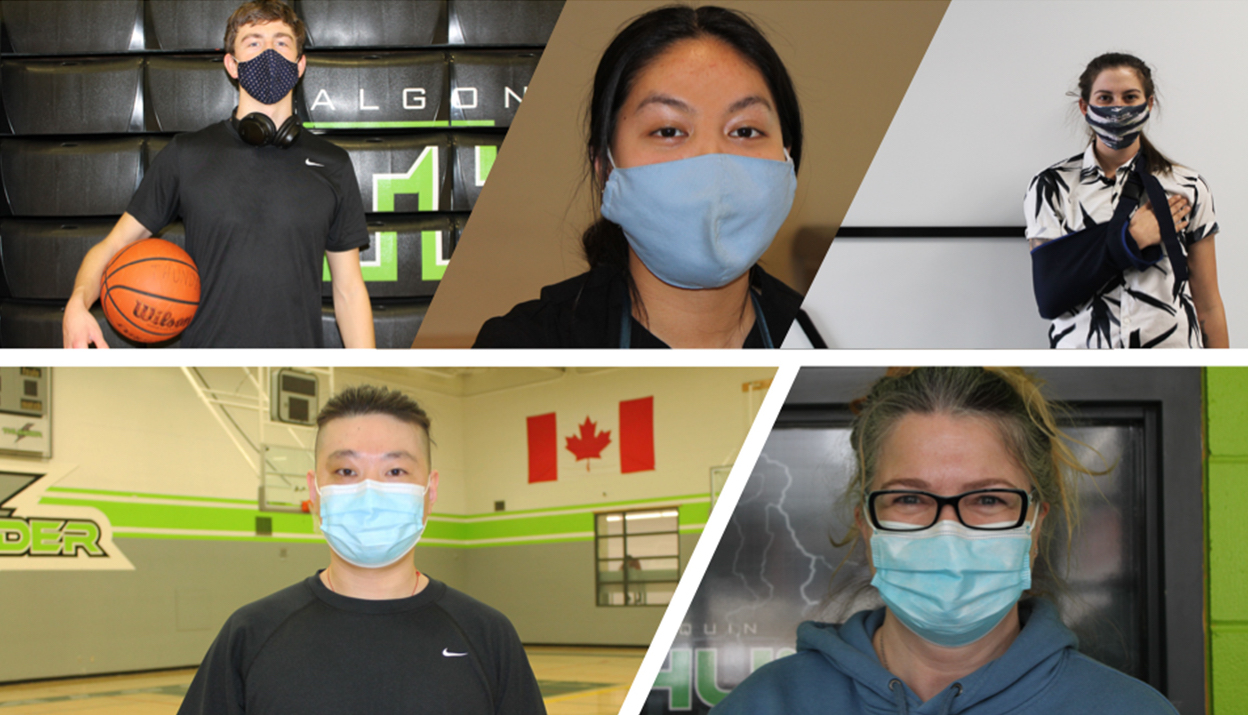
Thursday, March 11 marked exactly one year since the UN declared a pandemic. It was a monumental moment not one of us could escape. Anniversaries can be a good time for reflection. In this spirit, on Tuesday, March 16, the Algonquin Times asked students at the Woodroffe campus what the pandemic has taught them. Here […]
Anniversaries can be a good time for reflection.

Thursday, March 11 marked exactly one year since the UN declared a pandemic. It was a monumental moment not one of us could escape.

Anniversaries can be a good time for reflection.

In this spirit, on Tuesday, March 16, the Algonquin Times asked students at the Woodroffe campus what the pandemic has taught them.

Here is what they had to say.

Michelle MacGillivray arriving to C-building for a class in the horticultural technician program. All but one of her classes are currently on campus.
Michelle MacGillivray arriving to C-building for a class in the horticultural technician program. All but one of her classes are currently on campus. Photo credit: Andrea Sternberg

Name: Michelle MacGillivray

Program: horticultural technician program, second year

Where she was when she learned about the pandemic: “Me and my classmates left our class on Friday afternoon, and I got a phone call from my sister who’s an elementary school teacher up in North Bay. She said ‘oh, the schools are closing ’cause of this COVID thing.’ Then we heard that everything was shutting down and the rest of our program was going to have to get figured out online.”

What she learned this past year: “How important in-person relationships are and how much you miss it and interacting with people. My roommate happened to move out right at the beginning of COVID so I had a three-bedroom that I lived in by myself for six months. So, I’m lucky in the industry I’m in, construction, I was allowed to get back to work faster, so I didn’t feel the full effects the way some of my friends have.

“A lot of people are making an effort to connect in different ways.”

Kerry Meyer is a mature student who is passionate about the field she has chosen to study.
Kerry Meyer is a mature student who is passionate about the field she has chosen to study. Photo credit: Andrea Sternberg

Name: Kerry Meyer

Program: occupational therapy assistant and physiotherapy assistant program, first year

Where she was when she learned about the pandemic: “I was working at Goodlife Fitness as a personal trainer and I remember, just before Christmas, clients were starting to disappear saying they had this awful flu. I have to admit, I’m not really a germaphobe so I just thought it’s just another flu and everyone will be fine. But when they actually shut down the gym and they started to shut down everything, obviously it became apparent that something serious was going on. That’s affected me in many different ways.

“It was a message like, ‘just go Kerry, there is something better for you.’”

What she learned this past year: “This is going to sound morbid. So, awful things have come with this illness – it’s very much disrupted peoples’ lives and they’ve lost loved ones or their job. But on the flip side, if you can find anything positive, it’s just really shown us how important people are and how we kind of forget to make that balance between work and home life.

“It’s really brought to light how important our health is – physical, mental, emotional and then how important people in our lives are. So, I think that’s what has really hit me the most in this whole ordeal.

“A wake-up call as to how important we are as individuals and our families and to step back and take care of ourselves.”

Reed King is new to Ottawa and looks forward to the day he can go downtown and see our "beautiful city".
Reed King is new to Ottawa and looks forward to the day he can go downtown and see our "beautiful city." Photo credit: Andrea Sternberg

Name: Reed King

Program: electrical engineering technician, first year

Where he was when he learned about the pandemic: “I’m not too sure. I remember taking March break off and in the middle of it that’s when we had that extra two weeks. Me and my friends were all excited about that. It’s a lot longer than two weeks. But yeah, I was just doing a co-op at my school in Manicouagan so that’s the last thing I remember doing.

“I think I heard about it, but I just wasn’t too worried about it.”

What he learned this past year: “I learned that I can’t take my time for granted. I’ve been wishing I can go and do all of these things that I could have done earlier but I never did. But now that I can’t do it, I want to do it even more. Like going downtown – that’s a main reason I came here. Ottawa is a beautiful city. Even watching movies. I love going to the theatre and that’s been closed for a while now.”

Xu Leng was shooting hoops when approached for this mood check.
Xu Leng was shooting hoops when approached for this mood check. Photo credit: Andrea Sternberg

Name: Xu Leng

Program: computer programming, fourth year

Where he was when he learned about the pandemic: “I was starting my work placement in April. I came from China and I heard from my parents and my brother and they did very good in China. They just put on a mask and actually are not worried. It’s normal. Actually, I just do what I should do just stay at home and when I go out put on a mask. It’s normal.”

What he learned this past year: “When I stayed at home I learned piano, guitar and writing calligraphy. So, I just did what was interesting, my hobbies. Actually, I had time to do it and study. Computer programming is very hard.”

Wipada Panphum says esthetician students have had to learn different techniques and protocols since they can't treat the entire face now.
Wipada Panphum says esthetician students have had to learn different techniques and protocols since they can't treat the entire face now. Photo credit: Andrea Sternberg

Name: Wipada Panphum

Program: esthetician program, first year

Where she was when she learned about the pandemic: “I was pretty shocked about it. I was in high school and it was kind of stressful because a lot of things got taken away because of COVID. So, we didn’t get prom or field trips and we didn’t have a proper graduation either. So it kind of sucks, but it is what it is.”

What she learned this past year: “How to adapt to things differently and how to have connections to others in different ways. Now we can’t really see each other, so we have to contact each other online.”

Centre helps the community stay spiritual during COVID-19

Algonquin College students and staff gathered virtually on March 8 to close their eyes and breathe deeply, meditating in what Aayushi Agarwal, host of the event referred to as a “spiritual cleansing.” The meditation sessions occur twice weekly—Mondays at 3:30 p.m. and Thursdays at 9 a.m.— and are one of the many events hosted by […]
Photo: Gabrielle Nadeau
“The center is an area where individuals can feel like they are connected to something greater than ourselves,” said Shelley Neilson

Algonquin College students and staff gathered virtually on March 8 to close their eyes and breathe deeply, meditating in what Aayushi Agarwal, host of the event referred to as a “spiritual cleansing.”

The meditation sessions occur twice weekly—Mondays at 3:30 p.m. and Thursdays at 9 a.m.— and are one of the many events hosted by the spiritual centre.

Although gatherings and events are prohibited in person at this time, the centre is doing everything they can to offer these services remotely.

The centre is a place to connect. A place where all students and staff, regardless of spiritual background are welcome to connect with their spiritual being.

“The centre unifies people of different backgrounds, cultures, traditions, languages, and different beliefs and allows us to have an opportunity to connect to who we are as spiritual beings,” said Yuriy Derkach, spiritual counsellor at Algonquin College.

At a time where a global pandemic has affected the lives of students and faculty, with the Black Lives Matter movement and other movements in the works, they’ve left people asking big questions about our communities.

Although it isn’t open for in-person visits, the spiritual centre’s staff aims to create a place of serenity for students.

“We aim to be that place where you can find people, beliefs or just things that you can connect with,” said Shelley Neilson, coordinator of the spiritual centre.

Through the many events hosted by the centre, Algonquin College aims to help students to slow down and connect with their spirituality.

“It’s quite beautiful to see that even though we live in these unprecedented times, we are realizing now more than ever that we each have spiritual needs,” said Derkach. “We were challenged to stop, to slow down, and to realize ‘What is my purpose? What is my meaning?’”

In challenging these thoughts, the spiritual centre welcomes students who seek guidance through heartfulness meditation, lunch time yoga, cleansings, bible study groups and more.

“We offer various programs, events, and activities that allow students to take part in and explore spirituality,” said Neilson.

With hopes of guiding students to connect with the spiritual being inside oneself, Algonquin has opened its doors to anyone, being the first of its kind to assure equal resources are provided to all students.

“Algonquin was the first centre of its kind in the Ottawa capital region to open to all spiritualities,” said Derkach. “We work with larger communities in Ottawa, and depending on your faith background, we can help you to connect to all of the resources available in our community.”

The centre is also space for students and staff to pray, meditate, read or sit in silence. It is a space for students to de-stress and to connect to their inner-self.

Spiritual counselling is also offered through the centre, it is a form of counselling that allows individuals to explore one’s spiritual being, solidify spiritual beliefs or bring spiritual perspective upon a conflict.

“It’s a physical space where students can come and explore different types of spirituality, and receive spiritual support, however they may perceive it,” said Neilson.

“People perceive spirituality in many different ways. For some it can be a religious thing, while for others it may not be,” she said.

The centre hosts weekly online events, workshops, yoga and meditation sessions which can be found through the online schedule.

The spiritual centre is located in E-building on the second floor (E211). It is accessible to all students and staff Monday to Thursday from 12 p.m. to 4 p.m. following COVID-19 protocol.

The world’s largest democracy is currently not very democratic

In 2014, Manmohan Singh, an Indian economist, academic and politician was succeeded by a near illiterate tea-vendor. This successor, Narendra Modi, had been associating with a right-wing Hindu nationalist group called Rashtriya Swayamsevak Sangh (RSS) since he was eight. Modi, now the 14th Prime minister of India, is currently serving his second term after being […]
Photo: Dave Green
"As a 22-year-old, Indian-born journalism student at Algonquin College, I have seen Modi’s vague policies to 'make India better' fail time and again," writes the author.

In 2014, Manmohan Singh, an Indian economist, academic and politician was succeeded by a near illiterate tea-vendor. This successor, Narendra Modi, had been associating with a right-wing Hindu nationalist group called Rashtriya Swayamsevak Sangh (RSS) since he was eight.

Modi, now the 14th Prime minister of India, is currently serving his second term after being re-elected in 2019.

As a 22-year-old, Indian-born journalism student at Algonquin College, I have seen Modi’s vague policies to “make India better” fail time and again.

The economy is going down, unemployment is at its peak and reports of sexual assaults are increasing like never before. After trying to disrupt the peace of mostly the “Muslim community” by introducing the citizenship amendment act in 2019, Modi and his party BJP, are trying to make the current farmer protest into a Hindu versus Sikh civil war.

This is a country that is supposed to be a secular nation.

While many news outlets and Influential celebrities in my home country have clearly sold out and talk nothing about the protest and police brutality towards the peaceful protesters, I’d like to shed some light on what’s going on in the world’s second most populated country.

Ever since Modi took charge of world’s largest democracy, he has tried to take some immensely bold steps by claiming them for amelioration of the country. Unfortunately, almost all of his plans flunked.

Whether it was the demonetization of high-denomination banknotes in 2016, the citizenship amendment Act in 2019 or the Indian agriculture acts of 2020 – AKA, the farm bill – all of them have had unfavourable outcomes.

In September 2020, the Parliament of India initiated three acts in the farm bill that will have grievous effect on the livelihood and well being of the farmers. The bill is said to be seizing some basic rights of farmers towards their own harvested crops.

The act faced denunciation from farmers across the nation, especially from farmers from Punjab and Haryana; states responsible for the Green Revolution in 1960s.

The Green Revolution within India commenced in 1966 and lead to an increase in food grain production, especially in Punjab, Haryana and Uttar Pradesh.

During this time agriculture was converted into an industrial system due to the adoption of modern methods and technology, such as the use of high-yielding variety (HYV) seeds, tractors, irrigation facilities, pesticides and fertilizers. Wheat was the crop of focus during the revolution.

More than 50 per cent of the population in India is engaged in farming, that’s about 450 million people. When the farm bills were introduced, almost every farmer in the country and various opposition parties alleged that they completely disregarded parliamentary norms and were anti-farmer, corporate-friendly and a step towards privatization of agricultural produce.

The farmers’ protest in New Delhi has been going on now for more than 100 days. Farmers across the nation have come together to express their sorrow and disapproval of the new farming bills.

The protest so far has resulted in loss of over 280 innocent lives, 122 illegal detentions by the police and around 150 missing from the protest and nowhere to be found.

The protest has somewhat affected the daily life of people in New Delhi, which includes some international students, who couldn’t fly to the countries where their colleges and universities are, due to the COVID-19 outbreak.

Another major problem was faced by the students was the internet shut down on Feb. 3, 2021, around New Delhi and other 14 districts, which made them miss their online classes. Some students in India are also experiencing some difficulty in boarding flights as the major international airport of North-India is in New Delhi and the protesters have blocked the major roads and highways that lead to New Delhi.

Peaceful protests took place in Ottawa, in which many Algonquin College students took an active part and expressed their support in favour of the farmers.

A shot from the peaceful rally organized in Ottawa to express the support for farmers in India
Peaceful rallies organized in Ottawa this winter expressed support for farmers in India. Photo credit: Mohit Kumar

I’m still keeping myself updated with what’s going on at the ground level of this protest in New Delhi. It’s a shame, however, that I have to look upon Instagram pages and Twitter accounts to follow the news regarding the protest since the news platforms in India are not presenting any truth and updates on protest.

I hope that the farmers get what they deserve and its high time that the people of my country understand the real motive of the BJP government.

New representatives to join board of governors this fall

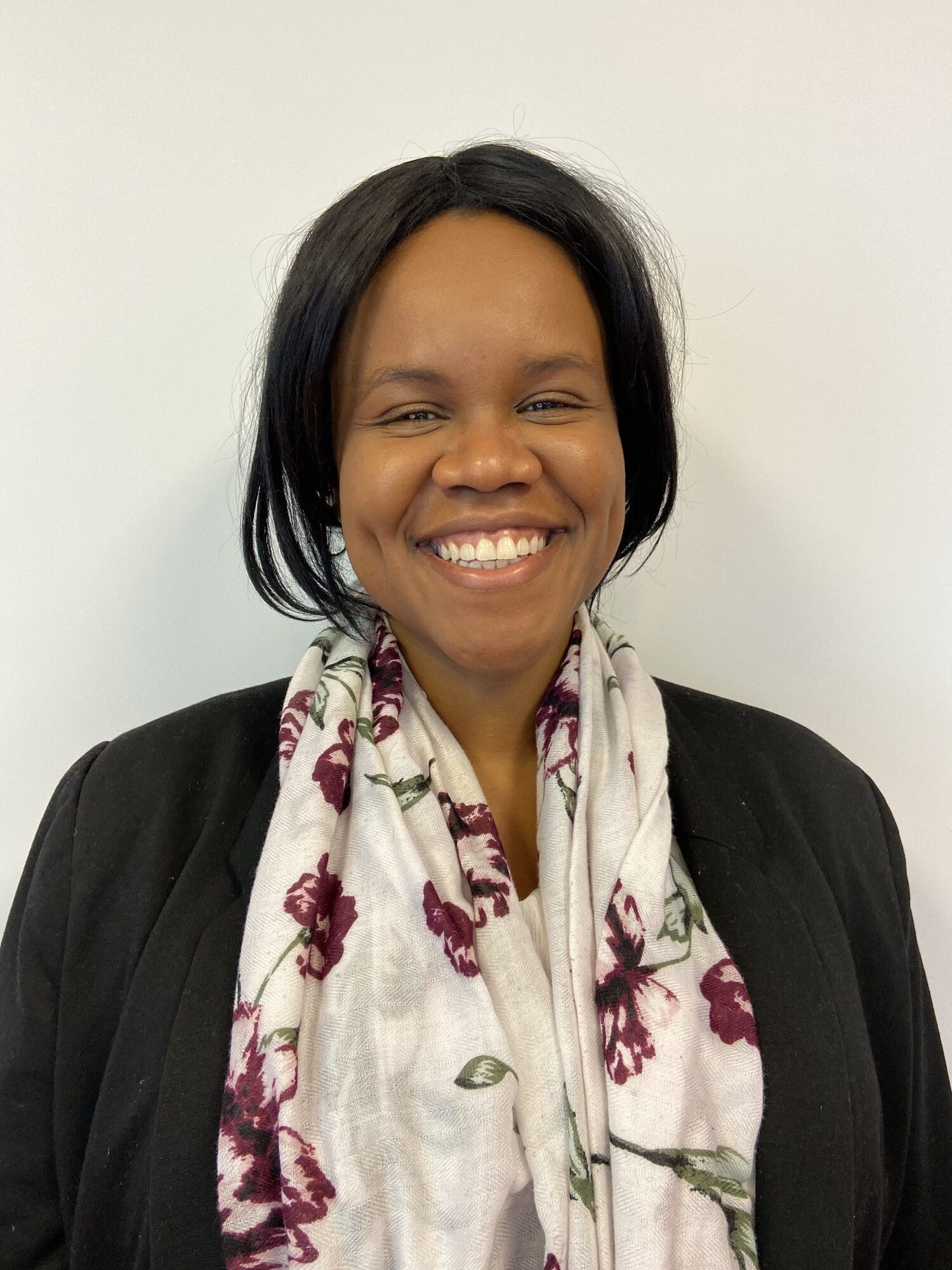
Rebecca Wakelin has won the election to be academic representative for the Algonquin board of governors, according to results posted on March 12, 2021. Cyan Shields won the position for student representative by acclamation. Their respective terms on the board start in Fall 2021. “I am honoured to have been selected to represent the faculty […]
Rebecca Wakelin, the academic governor-elect of the Algonquin board of governors.

Rebecca Wakelin has won the election to be academic representative for the Algonquin board of governors, according to results posted on March 12, 2021.

Cyan Shields won the position for student representative by acclamation.

Their respective terms on the board start in Fall 2021.

“I am honoured to have been selected to represent the faculty voice on the board of governors,” said Wakelin in an email. “The trust placed in me to serve this important group is not something I take l lightly, and I am excited to continue the work of advocating on behalf of teachers and teaching at the college.”

Wakelin plans to consult with outgoing governor Enrico DeFrancesco and various other former and current governors.

“My next steps are to prepare for the fall by starting as I mean to go on – through conversation and consultation,” Wakelin said.

“I am a strong believer in the importance of immersing oneself in the historical narrative of a group before being able to contribute in any meaningful way and so this is where I intend to start.”

Scriptwriting’s Hothouse seedlings sprouting this spring

For the first time in Algonquin College history, three media programs – performing arts, scriptwriting and television broadcasting – have collaborated to host the first two of three segments of Hothouse events.
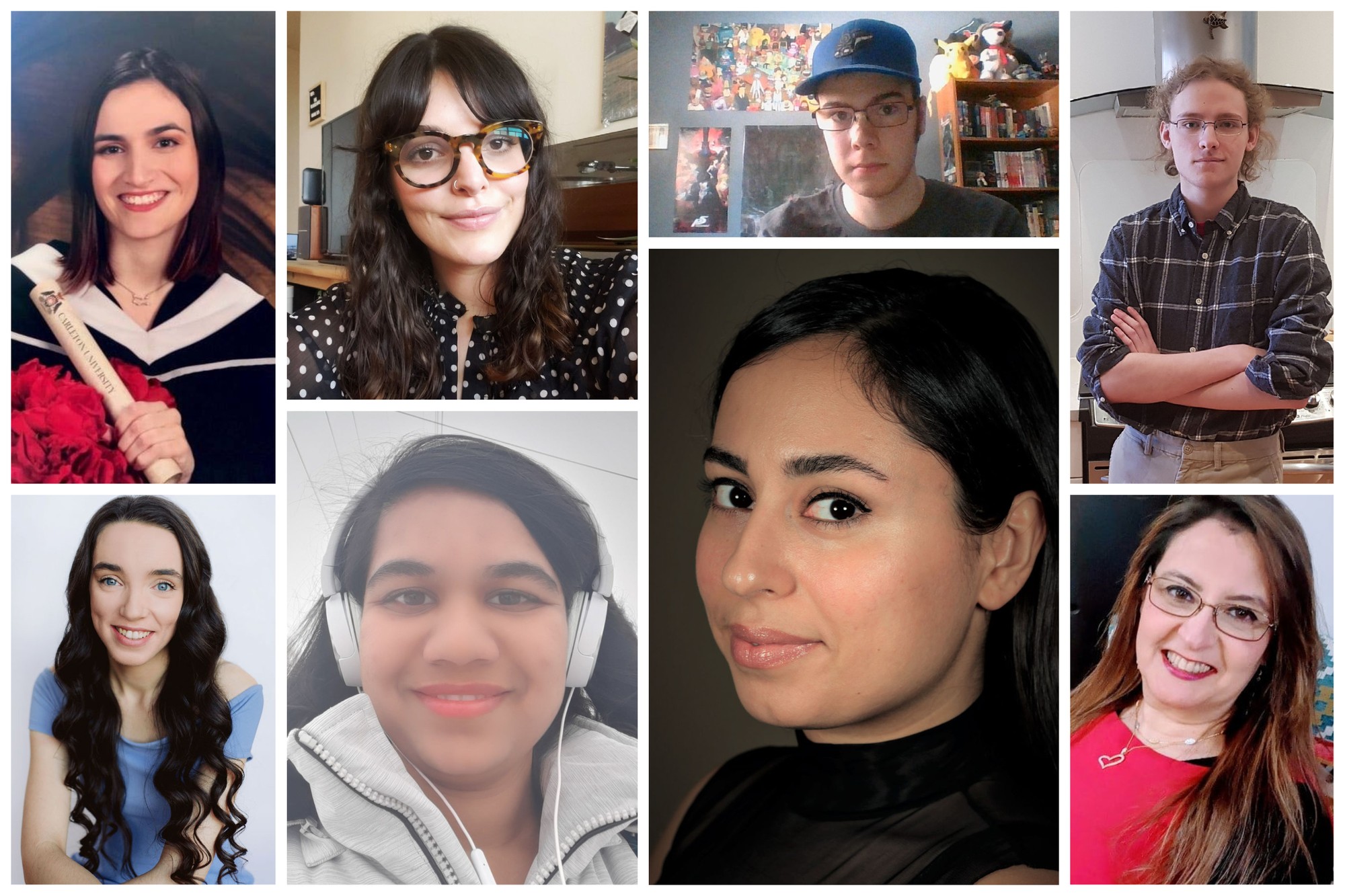
Photo: Shannon Anderson, Carla Braga, Nickolas Bloom, Jonathan Jeffrey, Cassie-Hope Aubin, Shweta Corriea, Marzieh Kamyabi and Ola Hamouda.
Algonquin College scriptwriting students who took part of the first of three 2021 Hothouse events. Pictured from top left row to bottom right

For the first time in Algonquin College history, three media programs – performing arts, scriptwriting and television broadcasting – have collaborated to host the first two of three segments of Hothouse events. Continue reading “Scriptwriting’s Hothouse seedlings sprouting this spring”

A night of remote bingo – but make it dirty

Algonquin’s Students’ Association held its recurring dirty bingo night event where Bonnie Cooper along with seven other students won a $50 gift card to Venus Envy. Cooper, a bookkeeping and accounting practices student, is a regular at this event having attended for the past five years. For her, attending this event was one of the […]
Algonquin's event coordinator Allison Barnes with dirty bingo night host Krystal Caring PHOTO BY Allison

Algonquin’s Students’ Association held its recurring dirty bingo night event where Bonnie Cooper along with seven other students won a $50 gift card to Venus Envy.

Cooper, a bookkeeping and accounting practices student, is a regular at this event having attended for the past five years. For her, attending this event was one of the best parts of her month.

“Krystal and Zelda are so much fun and welcoming,” said Cooper. “You feel like you can let loose and be yourself when you’re around them.”

This years virtual bingo night was hosted by Marshall and Caring. The pair have been hosting dirty bingo night at the college’s Observatory for almost 10 years now.

The event, as per usual, was hosted by two well-known drag queens, Krystal Caring and Zelda Marshall. The pair have been hosting dirty bingo night at the college’s Observatory for almost 10 years now.

“I think it’s an escape,” said Caring. “For two hours you can just be free to laugh and have a good time.”

The two first met at a fundraiser for cancer research over 15 years ago. Marshall was first contacted by Algonquin’s event coordinator with a pitch on hosting a dirty bingo night and a couple of years later brought in Caring as a co-host.

The virtual event on March 9, was attended by around 40 students who from the comforts of their homes, played 10 rounds of bingo. But there was a twist. Instead of calling out the numbers and letters (for example: B27, or G55,) Marshall instead would say a dirty word beginning with the letters “b, i, n, g and o.”

The words ranged from different body parts to sexual activities and once you won, instead of yelling the traditional “bingo!” students would scream “I had an orgasm!”

It was a phrase Cooper had the pleasure of saying as she won two early rounds, walking away with two gift cards.

“I’m not sure what I plan to buy myself this time with my gift cards, but I know I will get some non-binary items for my child,” said Cooper.

Cooper is a regular at dirty bingo night having attended games for the past five years and walked out with two prizes on March 9.
Cooper is a regular at dirty bingo night having attended games for the past five years and walked out with two prizes on March 9. Photo credit: Bonnie Cooper

Samuel Thomson, a student in the fitness and health promotion program, also attended the event. Although he didn’t win this time around, he still enjoyed the night and has his “fingers crossed” for next time.

Thomson is another regular at dirty bingo night, having attended the events since September 2019.

“It’s been nice to have a less-than-serious event to go to during COVID-19,” said Thomson. “They held it in person every month, so it was awesome seeing they kept doing it so regularly with the shift to everything being virtual.”

Although getting to host the events virtually was exciting, both Marshall and Caring are eager to head back to the college where they can have a live audience to interact with and entertain.

“One thing I love to do is in games five and 10, where instead of using the ball cage, I move among the audience and get them to draw a card and they have to come up with a dirty, sexy word that starts with the letter that they drew,” said Marshall.

The dynamic drag queen duo are looking forward to hopefully hosting another dirty bingo night in person later this year.

Workshop aims to help employers create LGBTQ2+-inclusive workplaces

Algonquin College community members joined Pride at Work Canada’s Re-thinking LGBTQ2+ Inclusion Training workshop on Feb. 24 with the goal of learning about how to educate employees on LGBTQ2+ training and pitfalls. The virtual event was hosted by Jade Pichette, Pride at Work Canada’s manager of programs, and Meike Jourdain, Pride at Work Canada’s programs […]
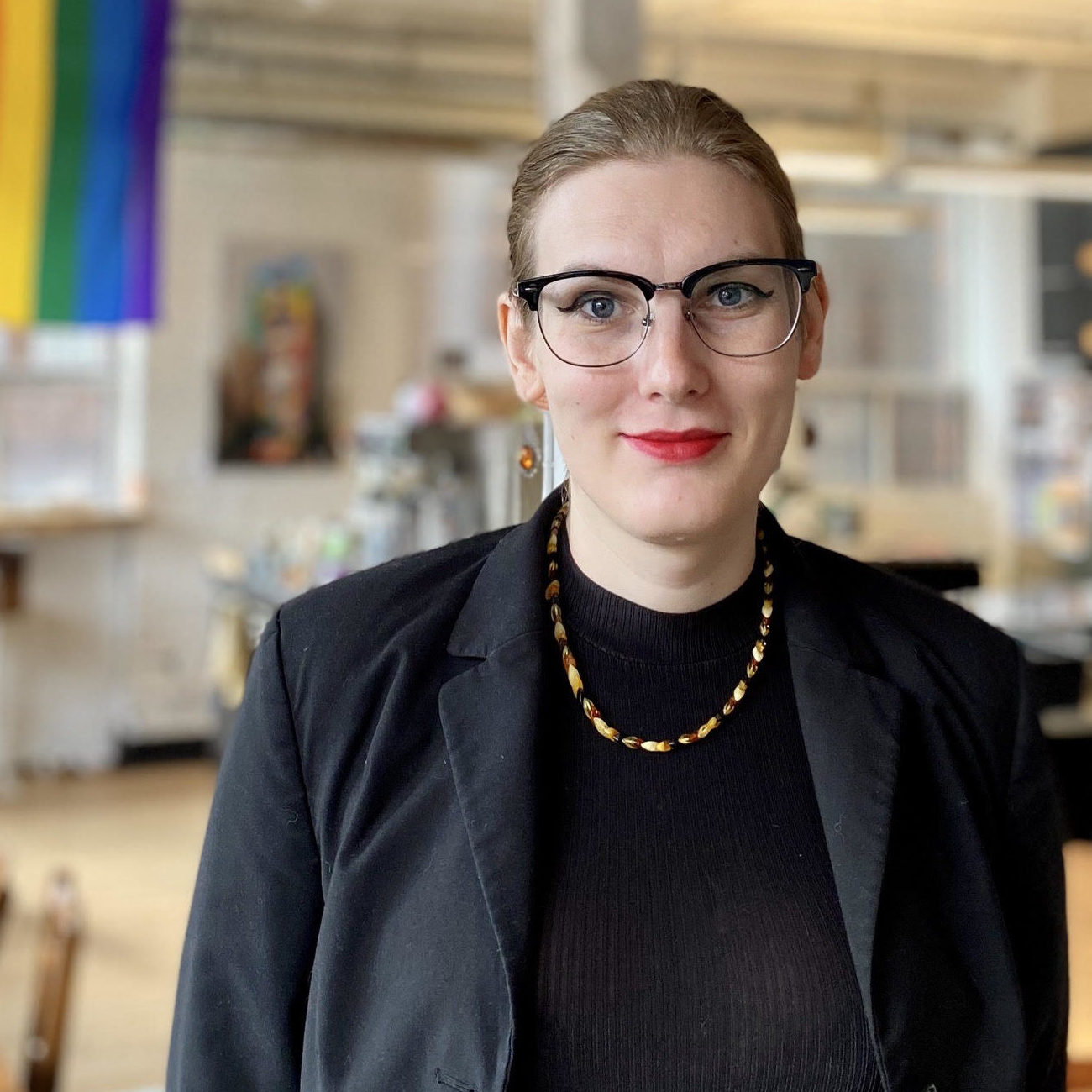
Jade Pichette is determined to implement engaging programs and inclusivity in the workplace

Algonquin College community members joined Pride at Work Canada’s Re-thinking LGBTQ2+ Inclusion Training workshop on Feb. 24 with the goal of learning about how to educate employees on LGBTQ2+ training and pitfalls.

The virtual event was hosted by Jade Pichette, Pride at Work Canada’s manager of programs, and Meike Jourdain, Pride at Work Canada’s programs assistant.

The session is the first in a series Pride at Work Canada is holding. The sessions focus on practical discussions to address partner needs.

The event kicked off with what Pride at Work Canada is about.

“Through dialogue, education and thought leadership, we empower employers to build workplaces that celebrate all employees regardless of gender expression, gender identity, and sexual orientation,” Pichette said. “We create safer, more inclusive workplace.”

Jourdain is a firm believer that education is a key tool when advocating for LGBTQ2+ issues.
Meike Jourdain is a firm believer that education is a key tool when advocating for LGBTQ2+ issues.

Participants learned about the history lesson of inclusion training, activist movements, the origins of LGBTQ2+ training and issues like unconscious bias training.

They were also asked to participate in a poll. It asked about when diversity inclusion training started generally or in your workplaces.

The results varied from the 1960s to 2020.

“The variety of your answers definitely shows the way in which diversity and inclusion training has had distinct phases, and is certainly changed a lot over the years,” said Jourdain.

Pichette recommended participants seek to tie training into the workplace in order to make LGBTQ2+ training a common practice.

“Look to be proactive, so that LGBTQ2+ training is considered normalized, is just considered part of the work environment just like any other training that you would need to go through,” said Pichette.

Pichette and Jourdain addressed the appropriate formatting of the training for the participant’s organization.

“We really need to look at what format are we using, because that also impacts how we can make that training effective,” Pichette said.

Solutions for these formats included in-person, e-learning, allyship training and integration into meetings.

Quinn Blue, Algonquin’s Wellness and Equity Centre coordinator who attended the event, had a positive impression of the session.

“They are very useful events, in a diverse sort of way,” Blue said. ” I think that they are always a good idea if the topics are relevant to different people.”

Several portions of the event resonated with Blue.

“I thought it was really useful that they brought up that training always needs to be linked to structural change,” Blue said. “And that there needs to be follow-ups to any training that is done. We really need to be intentional and careful about how and why we’re doing training.”

At the end of the session, participants were offered resources to help further and strengthen LGBTQ2+ training in their workplace.

Vet tech students enjoy hands-on learning on campus

When classes first went remote at the beginning of the pandemic in March 2020, Caitlin Harmison, a veterinary technician student, found it difficult to self-teach because she didn’t have the proper tools at home. She was left having to use her imagination to visualize what she would be doing. The veterinary technician students returned to […]
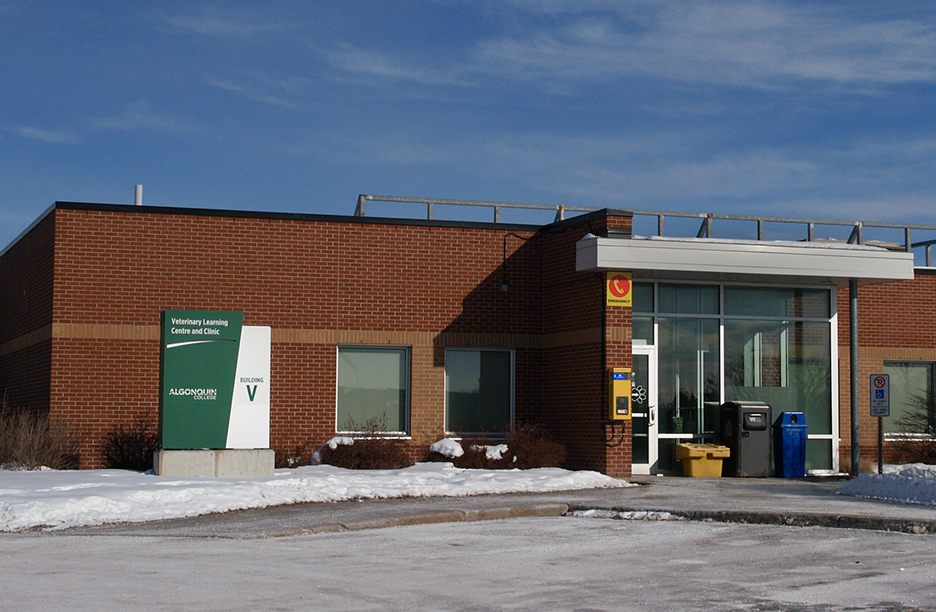
Photo: Connor Black
A student card is needed to access V Building and there is usually a security guard at the entrance.

When classes first went remote at the beginning of the pandemic in March 2020, Caitlin Harmison, a veterinary technician student, found it difficult to self-teach because she didn’t have the proper tools at home. She was left having to use her imagination to visualize what she would be doing.

The veterinary technician students returned to campus at the beginning of the winter term in January 2021. Harmison and her classmates are now able to continue with their on-site labs with strict rules implemented.

Harmison, 20, is in her final semester and her long-term goal is to work in rehabilitation after gaining enough job experience. The transition to learning online was hard at first for Harmison, because the program is very hands-on.

Fourth semester theory classes were moved to third semester, leaving Harmison with 12 theory classes to complete that semester.

“Now that we’re back in class it feels really nice again to be doing the hands-on things and actually performing the lab tests and the skills we were learning about last semester,” said Harmison. “It’s really nice to be back in the building. Everything feels a little bit more normal and it’s nice to see my friends again in person.”

Labs are an important part of the program as they are a hands-on learning experience that allows students to take care of animals — mainly cats — from the Ottawa Humane Society, according to Celina Boudreault, a student in the program.

Students learn how to monitor anesthesia, assist with surgery, administer medication and monitor heart rates through these labs.

To make sure in-person learning is conducted safely, students must wear masks, complete pre-screening on the AC Mobile Safety App and show their professor upon entering the classroom their results.

Students then put on a brand-new surgical mask, gloves, a plastic face shield and sanitize their hands. They must be in class 15 minutes early and have a 15-minute buffer period to leave the building after class.

For a little over a semester, all their classes had been theory and taught online.

This winter, being able to learn theory and lab work at the same time means a smoother learning process compared to what students went through last semester.

Chelsea Lackey, 19, a second-year student, is happy to return to hands-on learning.

“I really missed [the labs] last semester,” said Lackey. “I personally find it easier to learn when I have my theory and lab class at the same time.”

In Celina Boudreault’s case, the second-year student doesn’t find campus restrictions stressful, but getting back into a routine has been difficult for her.

“We were out of the lab and practice for almost a year, so getting back into things, the routine of labs and evaluations have been stressful,” said Boudreault, 25. “But our days aren’t too bad.”

As for animals being reintroduced to the program and how that affects the students, Boudreault says a few things have changed.

“Before we were able to have two people in each area,” Boudreault said. “Two people would work on the feeding, two people would do the washing, two people would clean the cages, but now it’s one person per area. I think once we get used to it we should be good.”

Overall, the students are grateful to be back on campus.

“It’s an adjustment, as is everything this past year. You kind of have to adapt and overcome,” said Boudreault. “We’re definitely looking forward to getting more lab practice time and working towards graduation.”

Researchers hope to survey over 600,000 Canadians who have received the Health Canada approved vaccine

Local News Ottawa Citizen: A virus targeting horses has affected a stable in Luskville. The first symptoms appeared at the beginning of the month. Eddie, a five-year-old quarter horse, was the first one to show symptoms. Out of the 20 horses which live in the stable, it has infected 18, and two, including Eddie, have […]

Local News

Ottawa Citizen: A virus targeting horses has affected a stable in Luskville. The first symptoms appeared at the beginning of the month. Eddie, a five-year-old quarter horse, was the first one to show symptoms. Out of the 20 horses which live in the stable, it has infected 18, and two, including Eddie, have died. This virus is comparable to COVID-19, but as the co-owner said, horses cannot wear masks to protect themselves.

National News

CTV: The Canadian National Vaccine Safety Network is launching a survey to find out about any adverse reactions to the COVID-19 vaccine. Researchers hope to survey over 600,000 Canadians who have received the Health Canada approved vaccine. Participants will be asked to fill out three surveys with the last one being six months after their second dose and detailing any problems they experienced. Researchers will conduct a second survey on 50,000 participants who will not receive the vaccine and compare the data. The goal of this research is to provide assurance that the vaccine is working as expected.

International News

CTV: A U.S airstrike took place in Syria on Friday as a way for the Biden administration to send a message to Tehran. The airstrike targeted one of the most powerful Iran-backed militias in the Middle East known as Kataeb Hezbollah, or the Hezbollah Brigades. The attack sends a message that President Joe Biden will be tough on Iran, while leaving the door open for talks. Another purpose of the attack is to prove the U.S will protect and defend their soldiers in the Middle East. It is unlikely that this attack will trigger a wider escalation.

Algonquin Times podcast
Algonquin Times on Instagram
Algonquin Times horoscopes
Follow Algonquin Times on Instagram
Algonquin Times on Instagram
Algonquin Times horoscopes
Algonquin Times podcast
Follow Algonquin Times on Instagram

Stay Informed

Sign up for our newsletter

Subscribe

* indicates required