Organizers are the real champions of Smash, building community at Algonquin

Hosting a gaming tournament is not for the faint of heart. Knowing how to play the game is not enough.
It requires event management skills, a touch of live broadcasting knowledge and even policing to determine which controllers contestants are allowed to use.
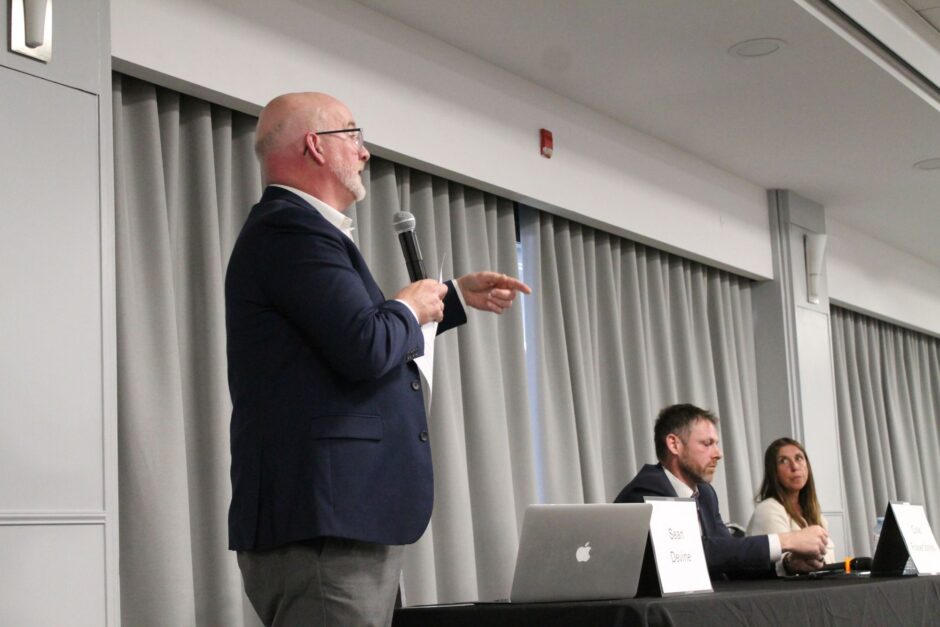
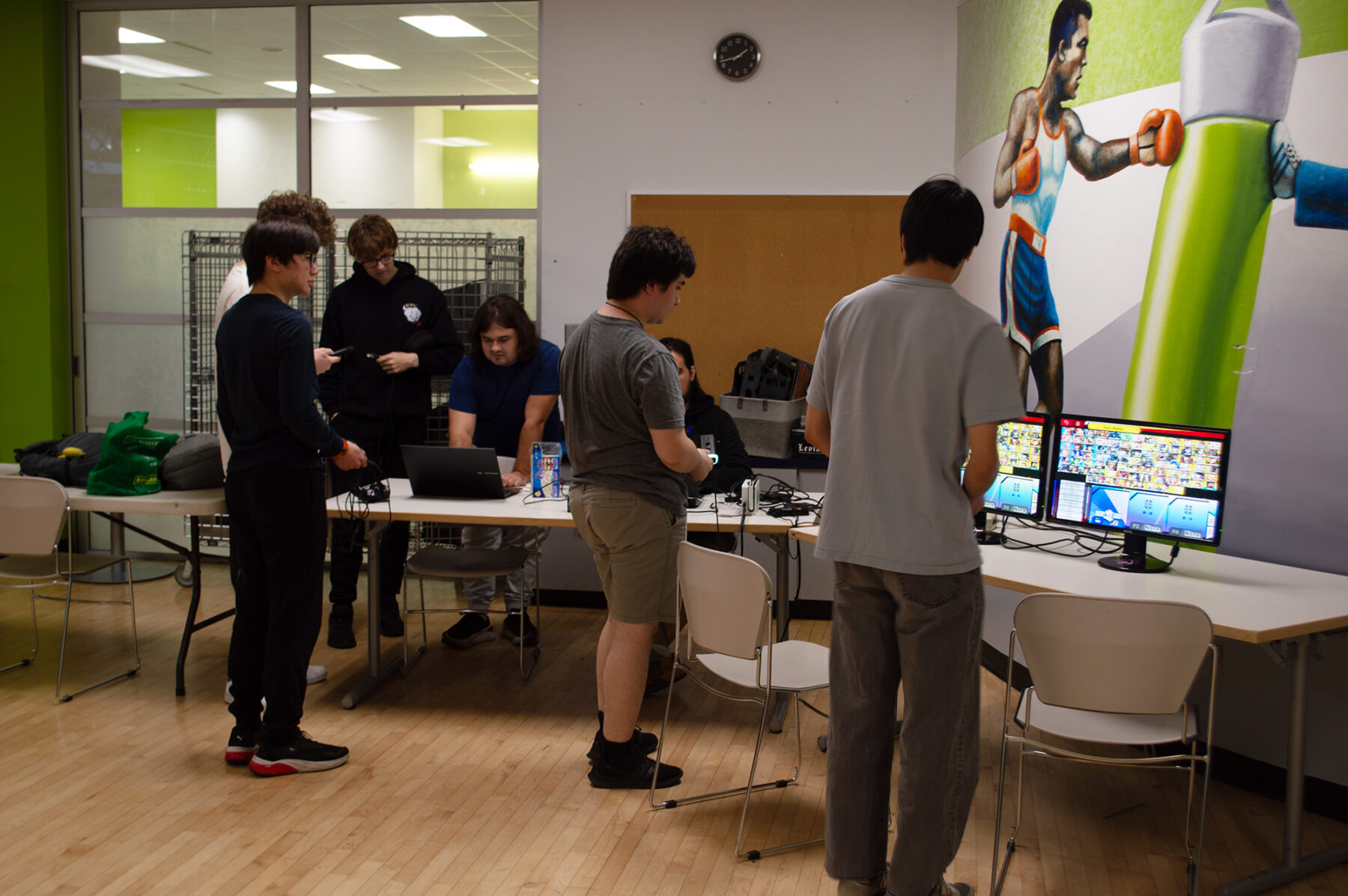
The 119th ACE Smash Friday was held in A1821 at Algonquin College on Oct. 3. It was broadcast on Twitch Rocky_thepetrock, where all tournaments are streamed.
The primary game played is Super Smash Bros Ultimate, initially released Dec. 7, 2018. It contains the largest catalogue of playable characters in a Smash title and is the latest entry into the Super Smash Bros franchise.
ACE Smash Friday is the weekly tournament held on campus by the Esports Club. Its goal is to create community, grow the local skill level and have a great time duking it out on the stage with like-minded individuals.
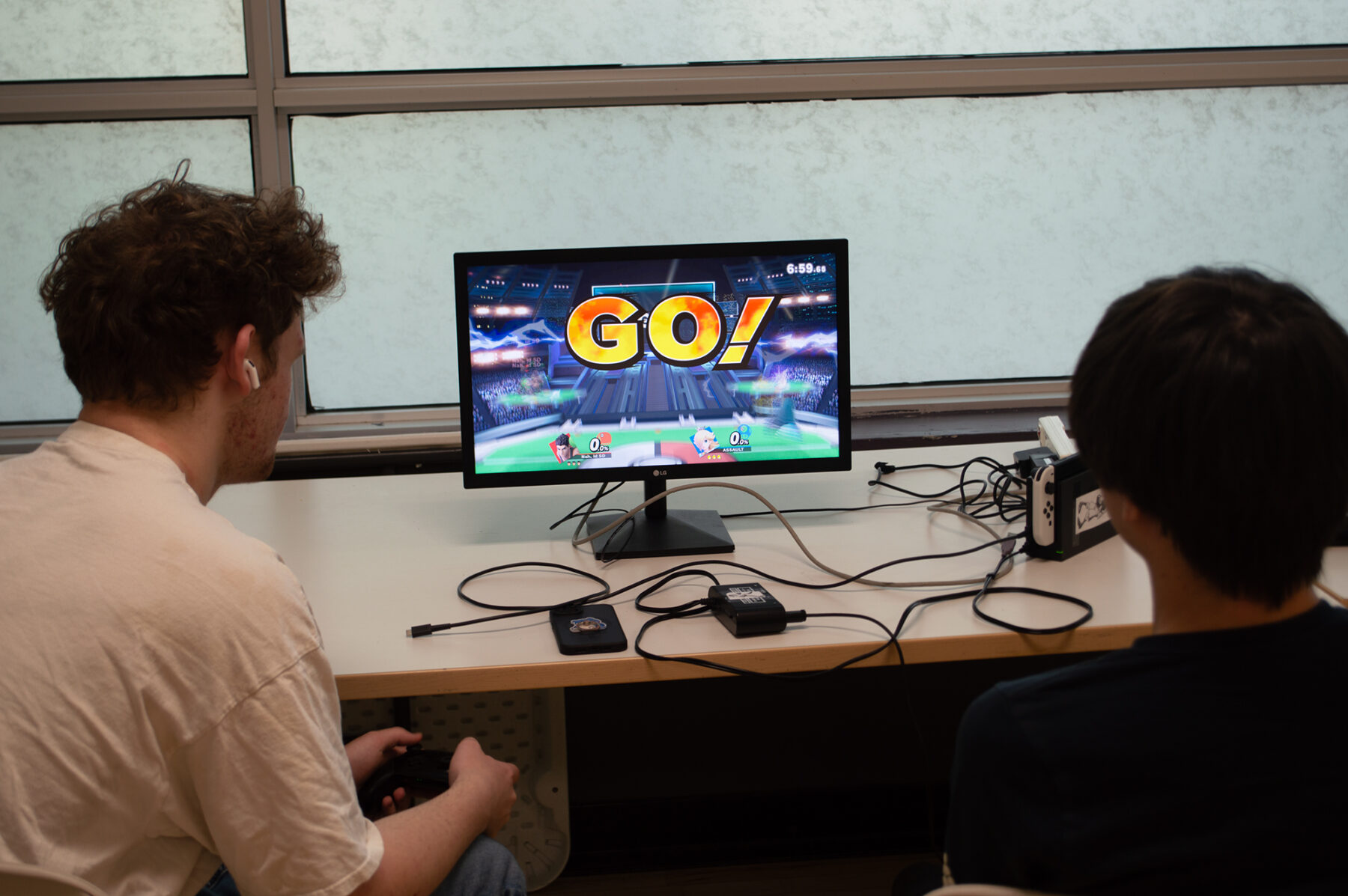
The primary reason these events happen is because of TOs, an abbreviation for tournament organizers. Javed Bergeron-Dinelle, an accounting student, was one of the primary TOs of the night, managing brackets and assisting the other TO in running the event.
Eric Culp, a business administration core student and tournament organizer of ACE Smash Fridays, explained why they broadcast the events:
“If we didn’t have a stream set up, less people would know about Gonk (another term for ACE Smash Fridays) and we wouldn’t have people improving at the rate they do.” Culp said.
Broadcasting Nintendo Switch games is a whole other challenge. This is because Nintendo Switch consoles do not come with a standard HDMI output; so, capture cards are required. “An underappreciated role is when people bring in stuff to capture their Switch,” Culp said.
“You can’t just connect an HDMI cord from the console into a computer; you need to buy a capture card, you need to get two more HDMI cords and figure out OBS,” Culp said.
Open Broadcaster Software, commonly known as OBS, is a free open-source application for video recording and live streaming. It allows users to capture their screen, webcam and other sources to create a professional-looking broadcast.
A capture card can be quite a pricey option for some, with the average costing between $50 and $150. This is on top of the price of buying the console, game and potentially a controller, too.
Because of the complex hurdle that goes into broadcasting events to Twitch, those who do are heroes in the scene.
“Because there’s a stream setup using their gear, they are obligated to stay the whole time and have the stream running, and things happening on their account,” Culp said.
The player’s mindset also applies to Culp, being a TO does not mean Culp can’t participate.
“You need to make little goals for yourself instead of thinking ‘oh, this person wins every event, I have no chance.’ If you go in with high expectations, you can, in turn, be easily let down.” Culp said.
Culp explained it this way: “I’m not creating a stressful and anxiety-inducing state when I’m playing against others.”
“I know I won’t win every event. I can’t think like ‘I gotta do it, I have to beat them, I have to win.’ Instead, I have to slow myself down, think ‘hey, I played better than last time.’
“I think every loss is good to look at because you can look at your gameplay from that kind of aspect and see that ‘I played this stock (term for in-game lives) pretty poorly because of XYZ,'” Culp said.
This mindset is crucial for a player committing to Super Smash Bros. The gradual improvements will come with patience and determination.
The culture fostered at these events is a welcoming atmosphere. Where beginners and veterans alike duke it out on the local stage with hopes of breaking into the regional and potentially international stage.