What a moustache can start: Algonquin College students push for honest talk about men’s mental health

Each November, the campus fills with moustaches that didn’t exist a few weeks earlier. Some are thick and carefully shaped. Others are patchy and uneven. A few barely qualify as facial hair at all. But they all tend to spark the same reaction: a double-take, a laugh, a question.
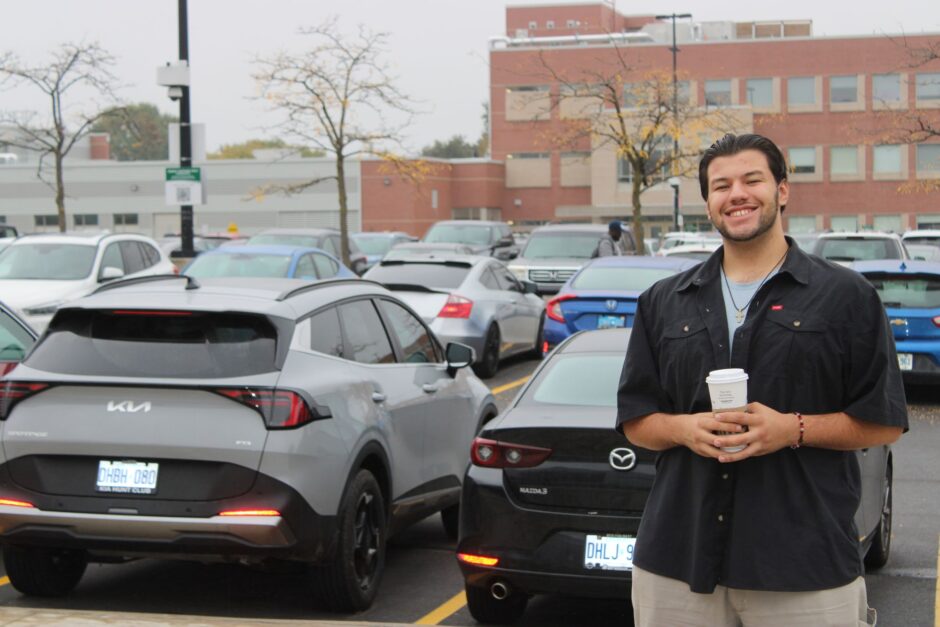
For Nathan Martell, a second-year business student, that question is exactly what he hopes for.
“It’s funny when people comment on it,” he said, running a hand over the thick lines of hair along his upper lip. “But it also opens a door. It gives me a chance to say why I’m doing it.”
Martell has dealt with anxiety for years, but says he learned early to “push through it” rather than talk about it. Movember gave him a way to break that habit.
“The first time someone asked about my moustache, I joked about it,” he said. “The second time, I told the truth. I told a friend I’d been struggling more than I let on. And he said he had too. It was the first real conversation we’d had about anything like that.”
Since then, Martell has kept the moustache even on days when he doesn’t like how it looks. He says it reminds him to check in with the people around him, not just during Movember but whenever something seems off.
“It’s surprising how quickly guys open up once someone starts,” he said. “We’re all stressed, but nobody wants to be the first to say it.”
Will Friendo-Jones has had a different experience with Movember. He jokes he “couldn’t grow a moustache even with beard oil,” but he still feels connected to the campaign.
“I’ve had friends who hit really low points,” said Friendo-Jones, a first-year accounting student. “Guys don’t always show it, but they struggle. And a lot of them don’t feel comfortable saying anything.”
His involvement this year has been mostly online, sharing Movember posts, reminding friends how to reach campus supports and trying to start conversations in group chats.
“It’s not much, but it’s something,” he said. “I think we underestimate how much just checking in can matter.”
The more he speaks with classmates, the more convinced he is that Algonquin needs something permanent, not just one month of awareness.
“I’d like to see the college create a men’s support group or even a drop-in space,” he said. “Not counselling, just a place where guys can talk without feeling judged. Somewhere you can go if you’re having a rough week, or you need to say something out loud.”
He says some men avoid counselling because they feel their problems aren’t “serious enough,” or they don’t know how to start the conversation.
“If there was a space where you could just walk in and talk to other guys who get it, I think a lot more people would reach out earlier,” he said.
Dr. Abolfazl Mohammadi, a psychologist with CBT Associates, says that kind of peer-based support can make a meaningful difference.
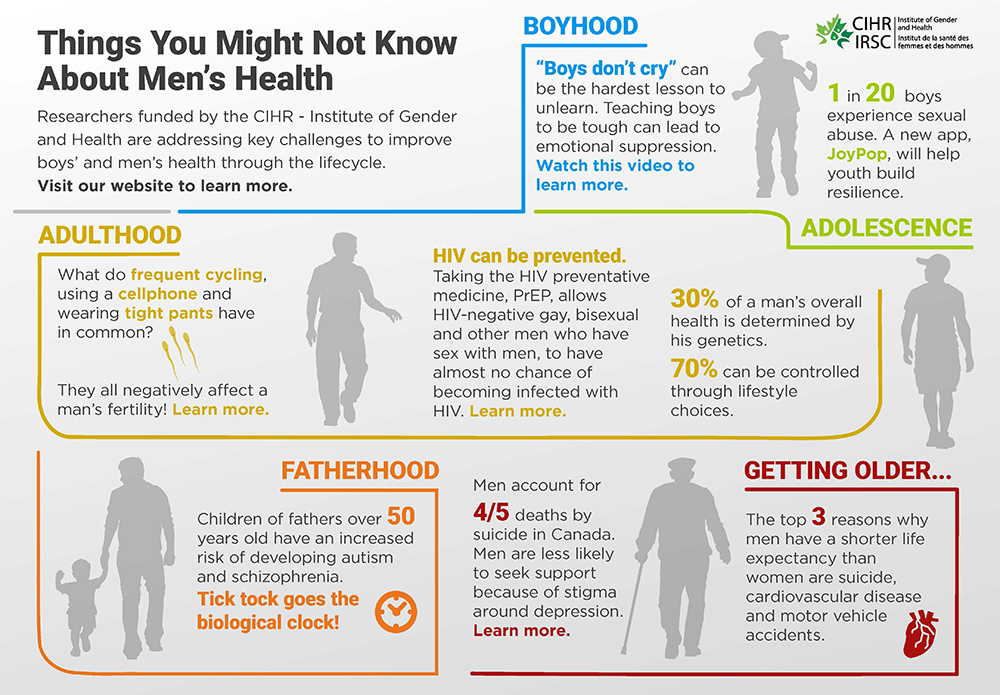
“Men often feel pressure to appear strong and independent,” he said. “They may interpret reaching out as a sign of weakness. Peer groups help counter that by showing that others share similar experiences.”
Mohammadi says the earlier men speak about stress or emotional strain, the better the outcome.
“A single open conversation can help someone feel less alone,” he said. “When young men start talking to each other, it often leads to more willingness to seek professional support when needed.”
As November winds down and assignments pile up, both Martell and Friendo-Jones say the moustaches may disappear, but the conversations shouldn’t.
“It’s easy to hide how you feel throughout the semester,” Martell said. “Everyone is busy, everyone is tired, but Movember shows that talking about it doesn’t have to be awkward.”
Friendo-Jones hopes that one day students won’t need a campaign to have those conversations.
“Movember’s the spark,” he said. “But what guys really need is somewhere on campus where you can go anytime and not feel like you’re the only one going through something.”
For now, the moustaches continue doing their quiet work, sparking jokes, breaking the ice and helping male students say things they’ve been carrying alone for far too long.