Algonquin College CJS students raise nearly $5,000 for Operation Come Home

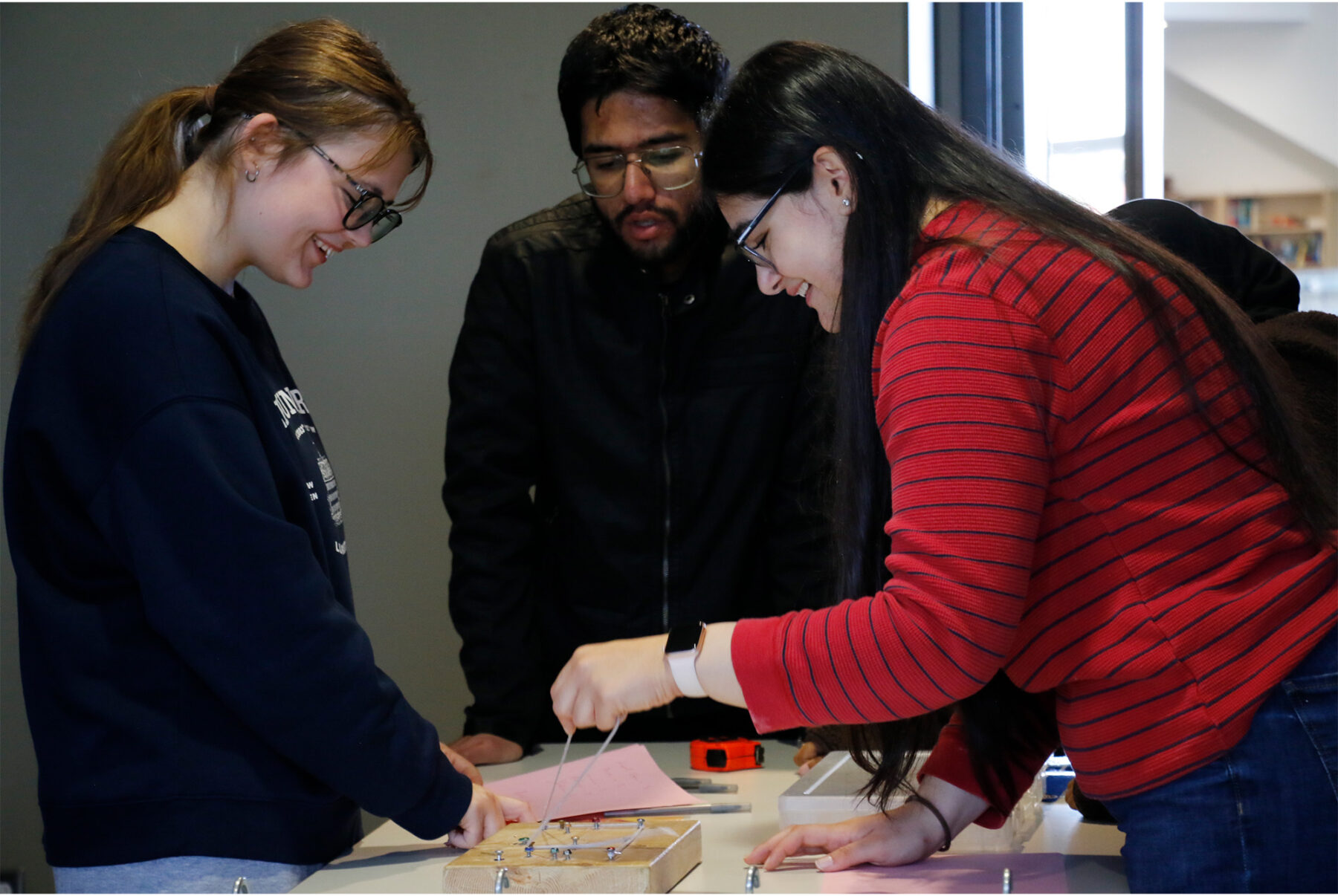
Students of the community and justice services program camped outside for 24 hours between Oct. 17 and 18, raising nearly $5,000 during an event held annually to draw awareness to at-risk youth in Ottawa.
Algonquin College CJS students work closely with Operation Come Home, where they complete placements and seek work following graduation. Located on Gloucester Street, the centre serves homeless or at-risk youth and offers employment, education, hot meals and support services.
CJS professor Cat Baron has been teaching students about the criminal justice system, ethics, mental illness and corrections since 2006. Many of her students voluntarily wanted to camp out after being inspired by a guest presentation
“Operation Come Home came to school, told the students about the initiative where they raise money and camp out,” says Baron. “Some of the students were like, ‘I wanna do that. Can we do our own?’ The staff were like, ‘yeah give me a date and time and I’ll meet you downtown’.”
Operation Come Home, previously known as Operation Go Home, was launched in 1971 by Rev. Norman Johnston, who realized there was a need to assist runaway youth across the country.
After 14 years, CJS students raised over $70,000 for Operation Come Home.
Sixty-five per cent of the funds go to support homeless and at-risk youth every year, and 35 per cent of the funds go to the CJS program bursary to help students in financial need, as students attending school also experience homelessness.
The students who camp don’t bring any food or water. They solely rely on donations.
Haileigh Dyke, CJS student, jumped at the opportunity when offered to camp out, but admitted she felt tested.
“In the beginning, the weather was good, we were excited. The donations were coming in, but as the day progressed, it got dark, wet, rainy,” says Dyke. “Some individuals weren’t very nice to us, it started to get miserable, and we were like okay, this is starting to get serious. This is not fun anymore.”
Students truly had a taste of what living on the street is like.
“We can learn in a classroom with a screen and books any day, but to actually go out and try to experience what these individuals are going through, you learn more than what a textbook could ever do,” says Dyke.
The students experienced getting robbed, ignored and rejected. Still, their support for one another and optimism helped them navigate every emotion.
“Drunk kids coming out of the bar threw up on our sidewalk, we were like wow, some individuals experience this 10 times worse than we did and now we have an understanding,” says Dyke. “Something would come up, some people were starting to get a little wary so we would all try to talk to each other and debrief.”
Alyssa Mccoshen, a CJS student who also participated in the event, admired everyone’s resilience.
“I got there at about 6 o’clock in the morning on Saturday because I had family plans the night before, and it was weird. Some people were sleeping, but everyone else seemed in really high spirits,” says Mccoshen. “From what I’ve heard, people had so many different experiences. I think that the differences between the classmates have a lot of different outcomes in terms of race or what people look like.”
Following a press conference last September, Mayor Mark Sutcliffe announced a series of investments in prevention and diversion tasks. They are underway to end youth homelessness in Ottawa by 2030.
“The mayor’s office is so fascinated with the initiative, they asked us to visit. The Board of Governors, my chair, nominated the students for a Board of Governors Student ChangeMaker Award, so they’re presenting to the Board of Governors in December,” says Baron.
Donations are still being collected. If you’re feeling generous, you can donate here.