Ottawa’s wellness fair connects the community

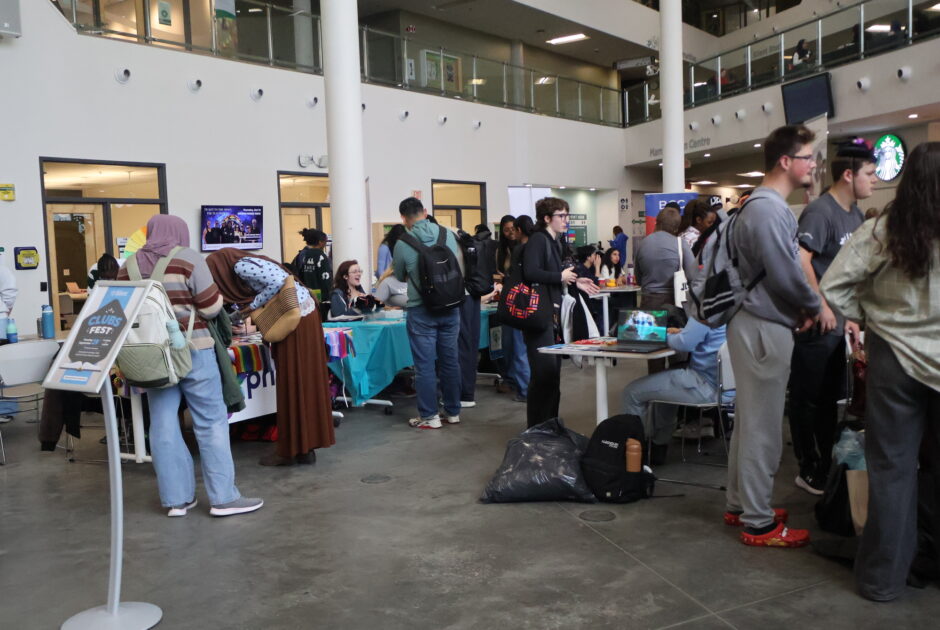
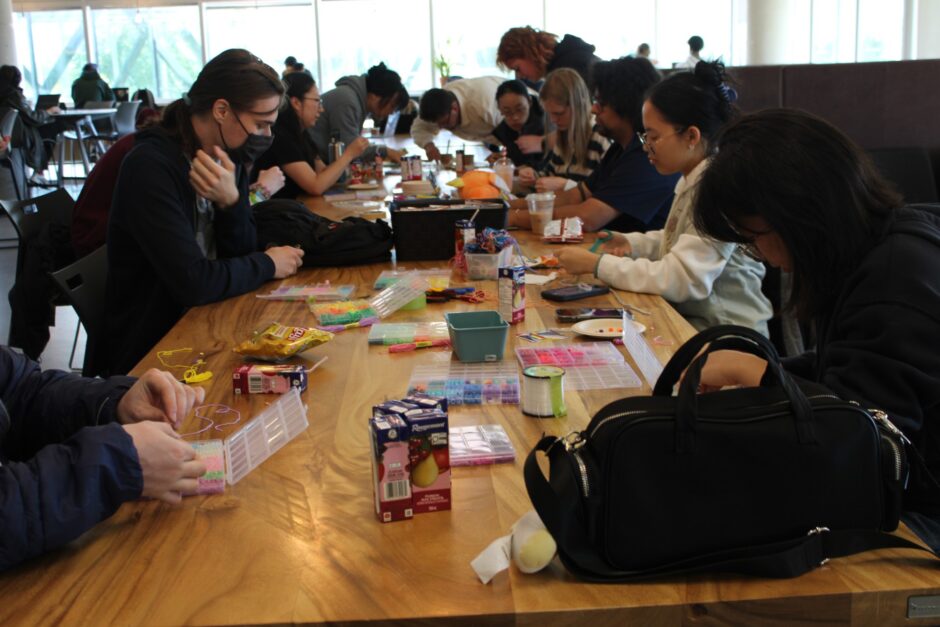
Ben Franklin Place in Nepean buzzed with activity on Sept. 26 as community members and students passed from table to table at the second annual wellness fair.
This event was designed to connect people with organizations and services promoting physical, mental and social health.
The fair was set up in a marketplace style with rows of booths, each one representing a local not-for-profit, health agency or resource provider.
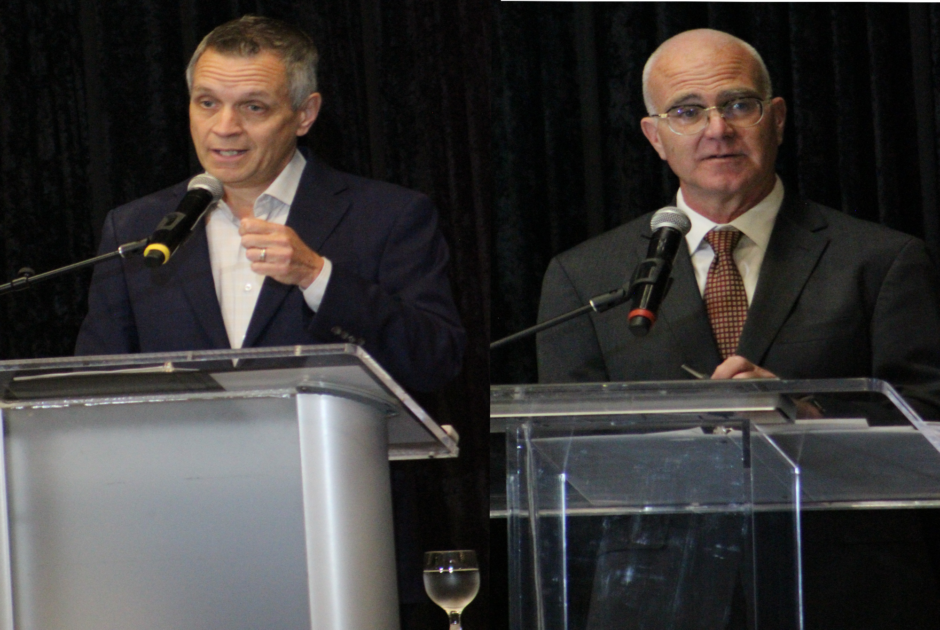
In the morning, Fred May, lead facilitator with Connected Canadians, was the first guest speaker of the day in The Chamber, with a message about connection and mental health.

A retired engineer who has volunteered for over four years, May helps seniors gain confidence in technology and strengthen social ties.
May said digital tools are not a replacement for human connection, but they can extend, deepen and sustain it.
“Personal connections are vital to your mental and physical health,” he said. “It’s possible to arrange one-on-one sessions with volunteers across the country who speak many languages.”
He also encouraged people to strengthen existing relationships.
“Reconnecting with my cousin this summer reminded me, sometimes it’s not about finding new people, but nurturing the ones already in your life,” May said.
To learn more, visit Connected Canadians.
In the afternoon, Khalid Bastawisy, Community Engagement Coordinator with Ottawa Public Health (OPH), delivered an overview of public health services.
Bastawisy explained OPH’s Health, Equity, Diversity & Inclusion department, which emerged during the pandemic to target outreach to racialized, low-income and underserved communities.
He emphasized their citywide “catchments” model, pointing out how they partner with local groups to deliver programs situationally.
Neighborhood Health and Wellness Hubs are drop-in community sites where residents can receive vaccines, dental screenings, social support and senior programs.
These hubs operate with no health card required and often reside within community facilities.
“At the hubs, you’ll see services like vaccinations, dental screening, prenatal supports, workshops, newcomer services. We want these to operate as one-stop shops for free supports,” said Bastawisy.
To learn more, visit Ottawa Public Health.
Walking the floor, visitors encountered pamphlets, displays, giveaways, assistive tools and knowledgeable representatives ready to answer questions and distribute information.
Here’s a more descriptive look at what each organization showed (and what they do) to connect with their audiences.
The Dementia Society of Ottawa & Renfrew County – dementiahelp.ca
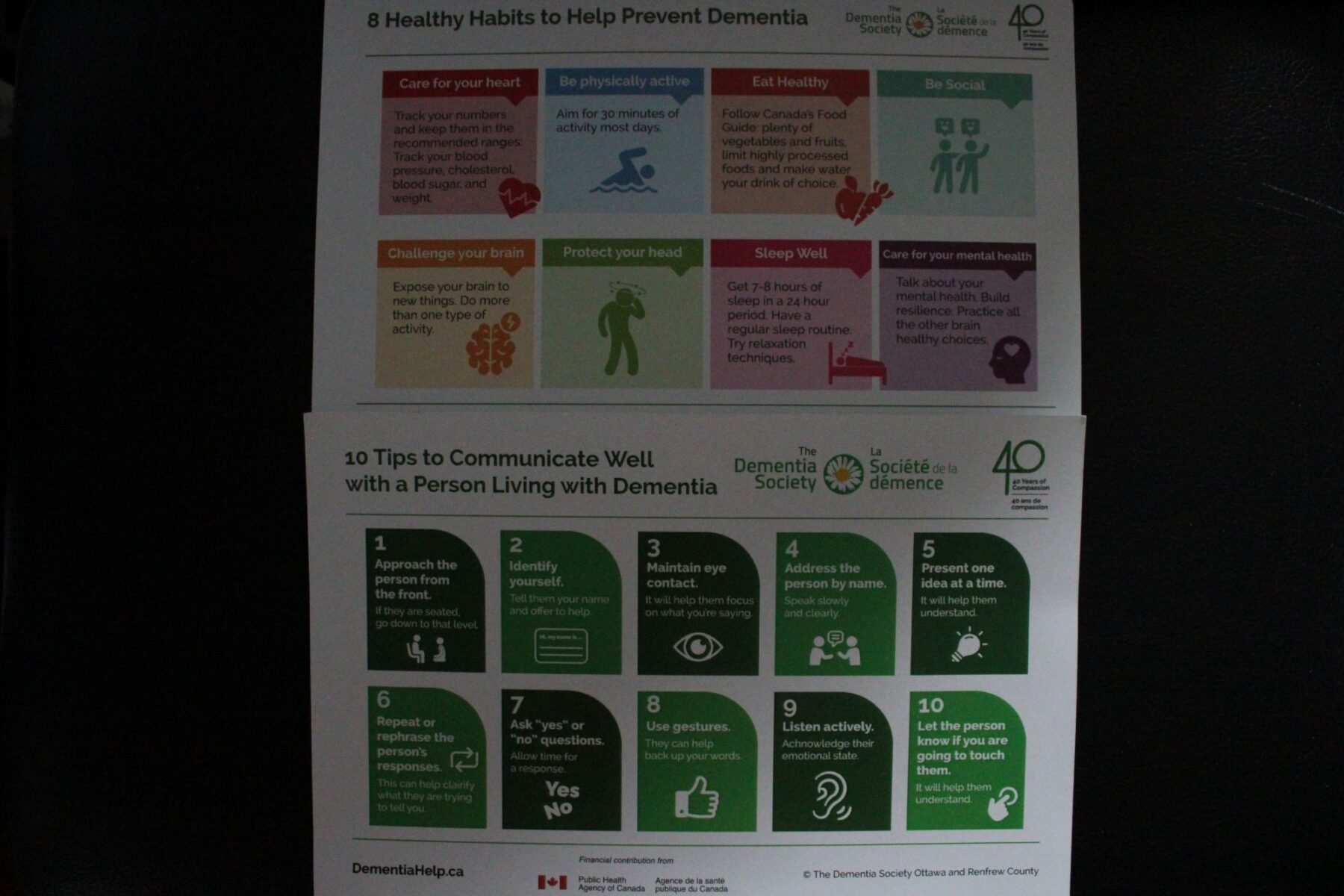
At their table, volunteers handed out pamphlets titled 10 Tips to Communicate Well With a Person Living With Dementia and 8 Healthy Habits to Help Prevent Dementia.
The Society provides caregiver coaching, educational sessions, memory café events and support groups.
Attendees could ask about their First Connections and Dementia Inclusive Training programs, which teach organizations how to better accommodate people living with dementia.
The Good Companions Seniors’ Centre – thegoodcompanions.ca
This booth projected the long heritage of Good Companions: more than 60 years of offering programs for older adults and adults with disabilities.
They promoted more than 100 services to choose from, like fitness classes, social events, support groups and arts and culture programs, emphasizing volunteer partnerships.
Canadian Mental Health Association (Ottawa) – cmha.ca
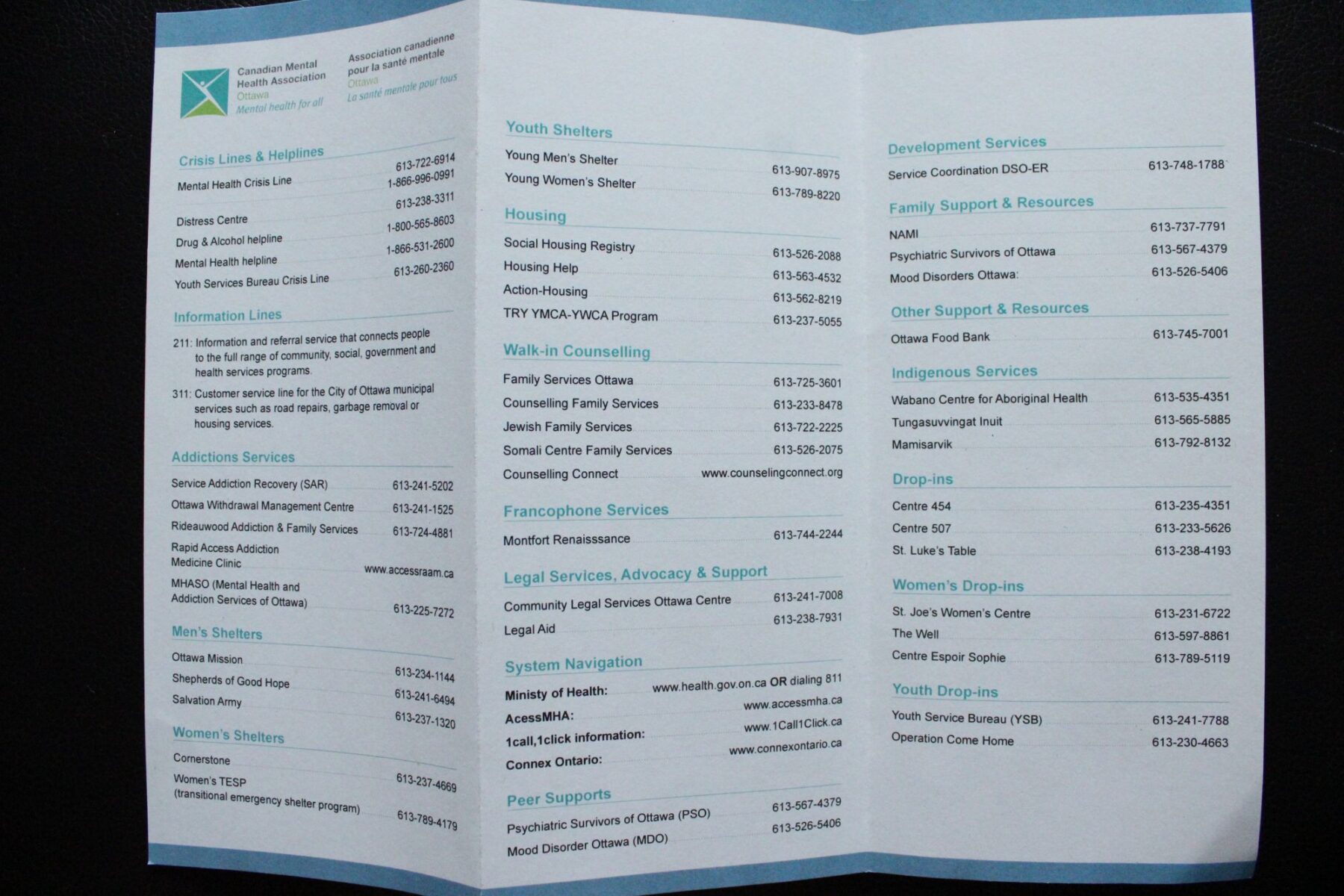
The CMHA table was stocked with pamphlets on stress, anxiety, crisis lines and mental wellness.
They also distributed a purse-sized sheet of local phone numbers: counselling lines, crisis hotlines and access points for mental health services.
Vision Loss Rehabilitation Canada – visionlossrehab.ca
Here, visitors found a variety of magnifiers with lights, specialized sunglasses and low-vision aids on display.
A representative demonstrated how contrast can help reading and how assistive devices can extend independence for people with vision impairment.
The organization has 44 locations across Canada and offers programs, training, assessments and adaptation services for people with vision loss.
Canadian Breast Cancer Network – cbcn.ca
Their booth featured pamphlets and booklets on coping strategies, survivor stories, screening guidelines and support groups.
One of their key tools is the Financial Navigator, which helps people figure out what financial supports they might qualify for, things like travel costs, medications or other expenses associated with breast cancer treatment.
Western Ottawa Resource Centre – wocrc.ca
WOCRC helps people who want to remain in their homes but need help with daily tasks, which include homemaking and cleaning, personal care, home maintenance and repairs and coordinating trusted service providers.
They also run Meals on Wheels, which delivers meals to homes and offers frozen nutritious meals to support people who might find it difficult to cook regularly.
Jewish Family Services Ottawa – jfsottawa.ca
JFS offers a variety of different resources, such as diverse senior support, Jewish community support and settlement support.
They also have counselling in four languages, including couples, family and anger management sessions.
Council on Aging of Ottawa – coaottawa.ca
COA brings together older adult groups, government agencies, community partners and businesses to influence city planning, health services, transportation and housing in ways that better fit seniors’ realities.
Ottawa West Community Support (OWCS) – owcs.ca
OWCS programs include personal support care, homemaking, transportation to medical appointments and assisted living for high-risk seniors.
They also run an Adult Day Program for frail or cognitively impaired seniors, offering meals, activities and socialization.
Pinecrest-Queensway Community Health Centre – pqchc.com
Their table offered a broad view of their role as a multiservice health hub, integrating primary care, mental health, dental and social support under one roof.
They handed out brochures on their clinics, social work support and slide displays on how they coordinate care for vulnerable populations.
Ottawa Public Library Homebound Services – biblioottawalibrary.ca
Library staff promoted the Homebound Services program: free monthly delivery of books, audiobooks, DVDs and more to Ottawa residents unable to visit branches due to age, illness or disability.
They explained that users can request specific titles or have staff pick materials based on their interests.
Volunteer Ottawa – volunteerottawa.ca
This booth listed volunteer opportunities across the region and helped people sign up.
Staff encouraged visitors to share their skills and highlighted how volunteering boosts connection and purpose.
iSisters Technology Mentoring – isisters.org
The programs offered help women learn basic computing, navigate the Internet, or build confidence using smartphones, all free of charge.
The organization supports women, girls, and gender-diverse people with mentorship in digital skills, employment readiness and online safety.
Enbridge & Save on Energy – enbridgegas.com and saveonenergy.ca
This fun booth featured a spin-the-wheel game to win small prizes, and brochures were spread out about free energy-saving upgrades such as lighting, fridges and freezers and tips on cutting utility costs.
Many attendees spun the wheel to win a free night light, and also asked about insulation supports, rebate programs and how to make their homes more efficient.
Canadian Women’s Heart Health Centre – cwhha.ca
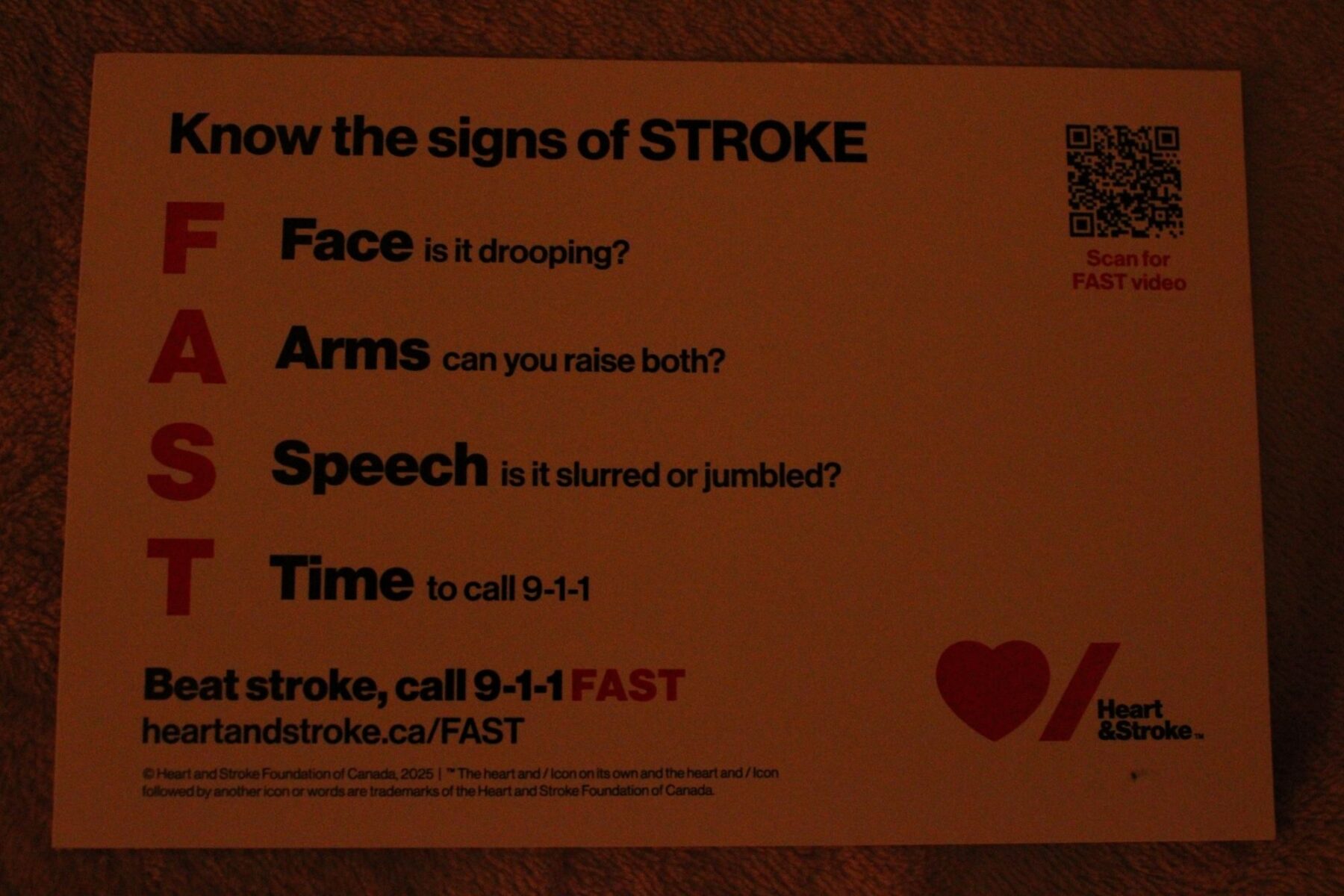
At this table, visitors could pick up fact sheets about how conditions like earlier menopause, diabetes or certain pregnancy complications raise heart disease risk in women.
There were also infographics showing preventative steps and the signs of cardiovascular trouble specific to women.
“It’s important to have some connections, either digital or non-digital, because they can give you a sense of acceptance, safety and purpose in your life,” May said.