College altering CAL staff positions: faculty union
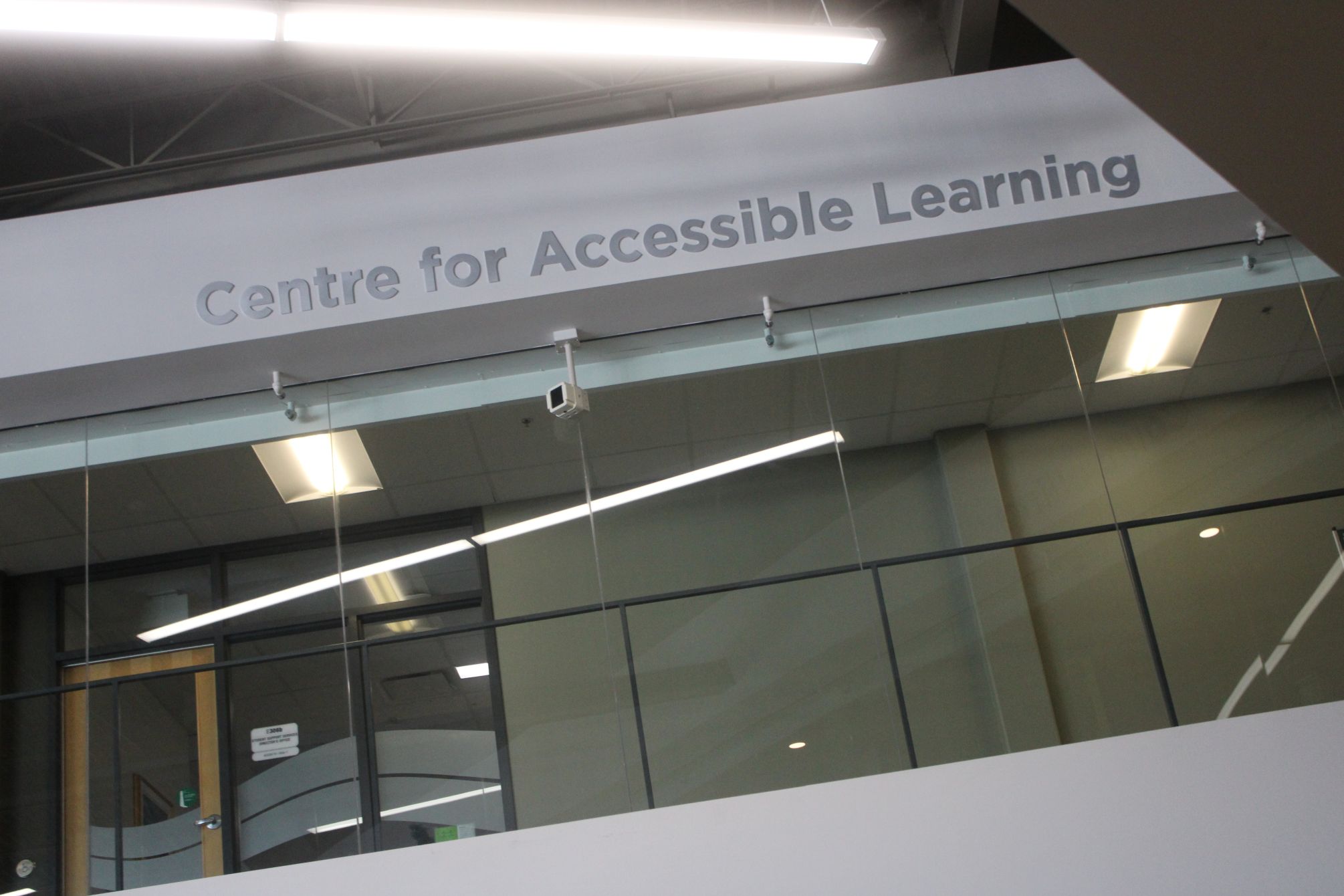
Algonquin College will be removing staff members at the Centre for Accessible Learning, altering the position types and reopening the roles, according to the president of the Ontario Public Service Employees Union Local 415.
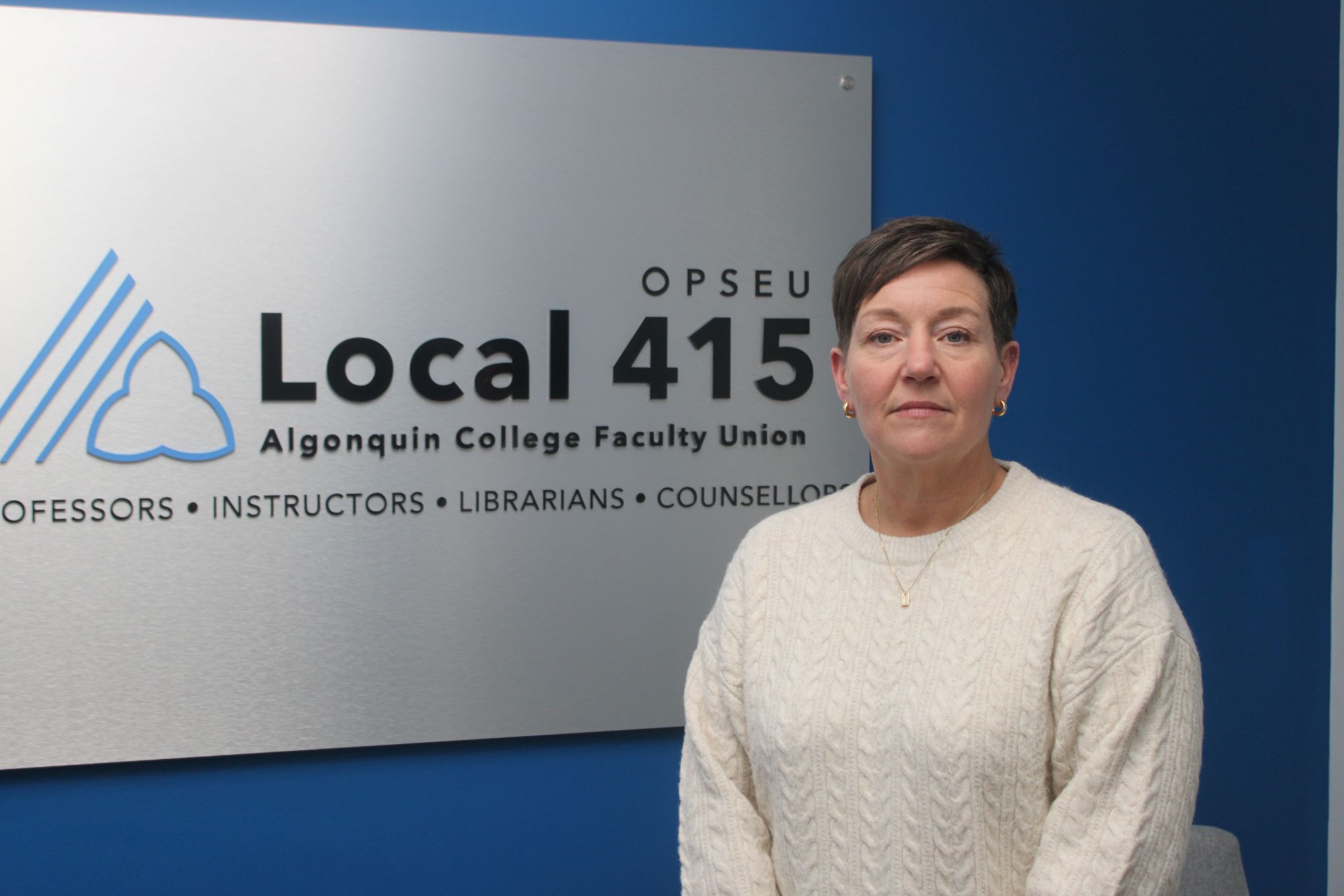
“The announcement last week was related to CAL counsellors,” Tracy Henderson said. “Essentially what the college is doing is they are going to remove seven positions from the academic bargaining unit, meaning they will no longer be considered faculty.
“Those positions will then be reposted under the support staff bargaining unit, meaning it’s a decreased wage, requires less education and less experience,” she added.
OPSEU Local 415 represents college faculty.
The Algonquin Times reached out to the college for comment but did not get a response by deadline.
However, the manager of CAL, Sara Jordan, sent an email to students on Feb. 11 saying student support would not be interrupted.
In the email, Jordan said the changes come as a result of larger organizational alignment strategies aimed to ensure long-term sustainability, respond to “current financial realities” and align with the services provided at other Ontario colleges.
Henderson said the motive behind the changes for CAL staff is purely financial. She said this decision will save the college around $30,000 per role, per year.
“It also means that it takes away from the students,” Henderson said. “Namely, the accessibility of having a CAL counsellor who is able to meet the student’s needs in terms of very individualized, very specific accommodations to support their academic career here at the college. They’ll move to a more prescribed list of available accommodations; really just a checklist.”
Students who access CAL do so for their own, individual reasons.
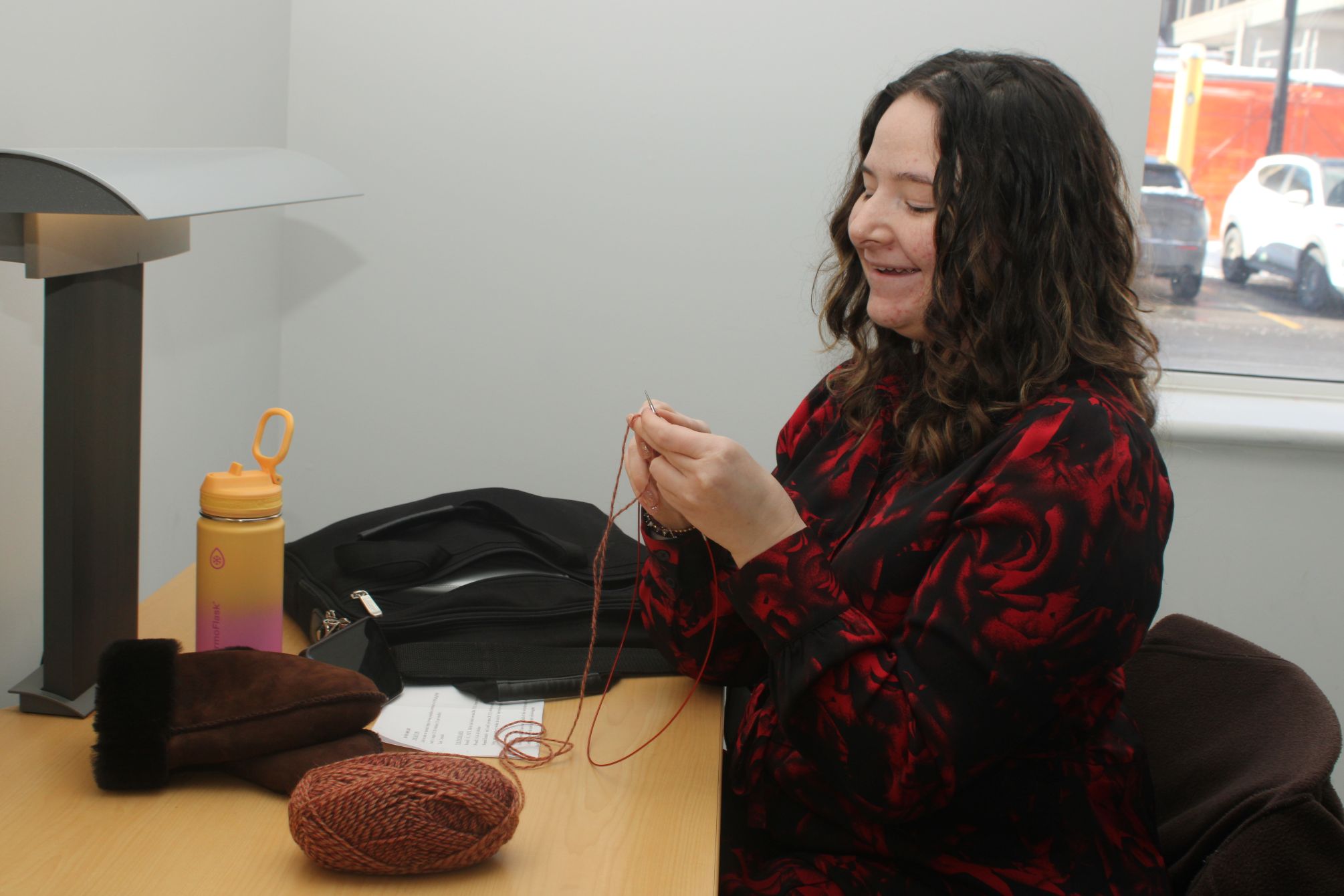
“I have accommodations for classrooms,” said Elizabeth St-Charles, a second-year library and information technician student. “I can use them for anything that’s related to tasks in-class, whether that’s group work where I’ll be able to do it on my own because of my social anxiety or recording lectures so I can revisit them afterwards.”
St-Charles said she also takes tests in separate rooms and can ask for other accommodations when needed.
Keith Shupka, a first-year personal support worker student diagnosed with ADHD, seldom uses his accommodations with CAL but still believes they help him in his studies.
“My accommodations are really important for me,” Shupka said. “Because, say, if I didn’t have them, I would have to try, like, a hundred times harder than (other people) would — because of my disability — to get the same grade.”

St-Charles might agree.
“I feel like they’ve definitely helped me,” St-Charles said. “If they weren’t there, I feel like that would have added a lot more pressure to a situation that is already stressful.”
Henderson fears for students’ wellbeing, academically and otherwise.
“It really is just a matter of saving money per body, and it’s coming at a significant cost,” she said. “The college is seeing a dollar figure, but we’re seeing the impact to people’s lives, impact to community and more importantly, impact to student accessibility.”
Henderson said more students are using CAL and mid-program changes can have a “devastating impact.”
St-Charles said it happened to her.
“I was with a person for about a year or so, and then I got an email saying they aren’t here anymore and that I’m going to be with someone new from now on,” St-Charles said. “In my case, that’s really nerve-racking because I have social anxiety which then meant it’d take a long time to get comfortable with someone again completely out of the blue.”
The changes at CAL come at a time when the college is proposing to suspend 30 academic programs. The college delayed the vote at Board of Governors after the provincial government on Feb. 12 announced a $6.4-billion infusion into the college and university sector.
Henderson said she is strongly against the college proposal to suspend programs. She believes the college would be making a mistake removing even more programs following the program suspensions in 2025.
Henderson said she has not lost hope, though.
“There’s always a chance for them to reconsider,” Henderson said. “There is always an opportunity for somebody to step up and do the right thing.”