As the Earth heats up, student interest in climate change cools down

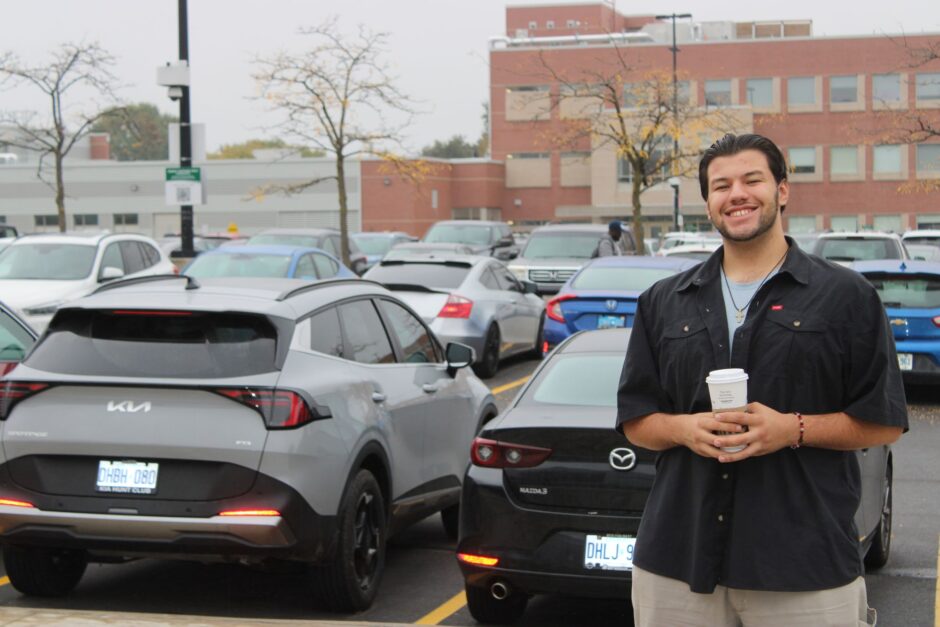
In the fall of 2023, Stephanie Taylor, a first-year journalism student at the time, created the Algonquin College Environmental Society as a way to make new friends and spark sustainability on campus.
With just enough members to qualify as a school club, the group held their first event in November that year — a pop-up “free store.”
Students had the opportunity to donate unwanted clothes and household items and pick up things they would use for free.
“We did have some people donate stuff, but a lot of what was donated to our little free store pop-up, we ended up just taking to a used store in the end,” said Taylor. “Not a lot of people showed up, but I was quite happy still.”
Unfortunately, the AC Environmental Society never managed to light that fire within the student body and its first event turned out to be its last.
“We were trying to spread awareness throughout campus, but whenever we tried to talk to anyone, they were like, ‘I don’t want to talk about this,’” said Taylor.
Although the club gained a couple new students, members soon found themselves busy with classes and the AC Environmental Society burned out by the winter term.
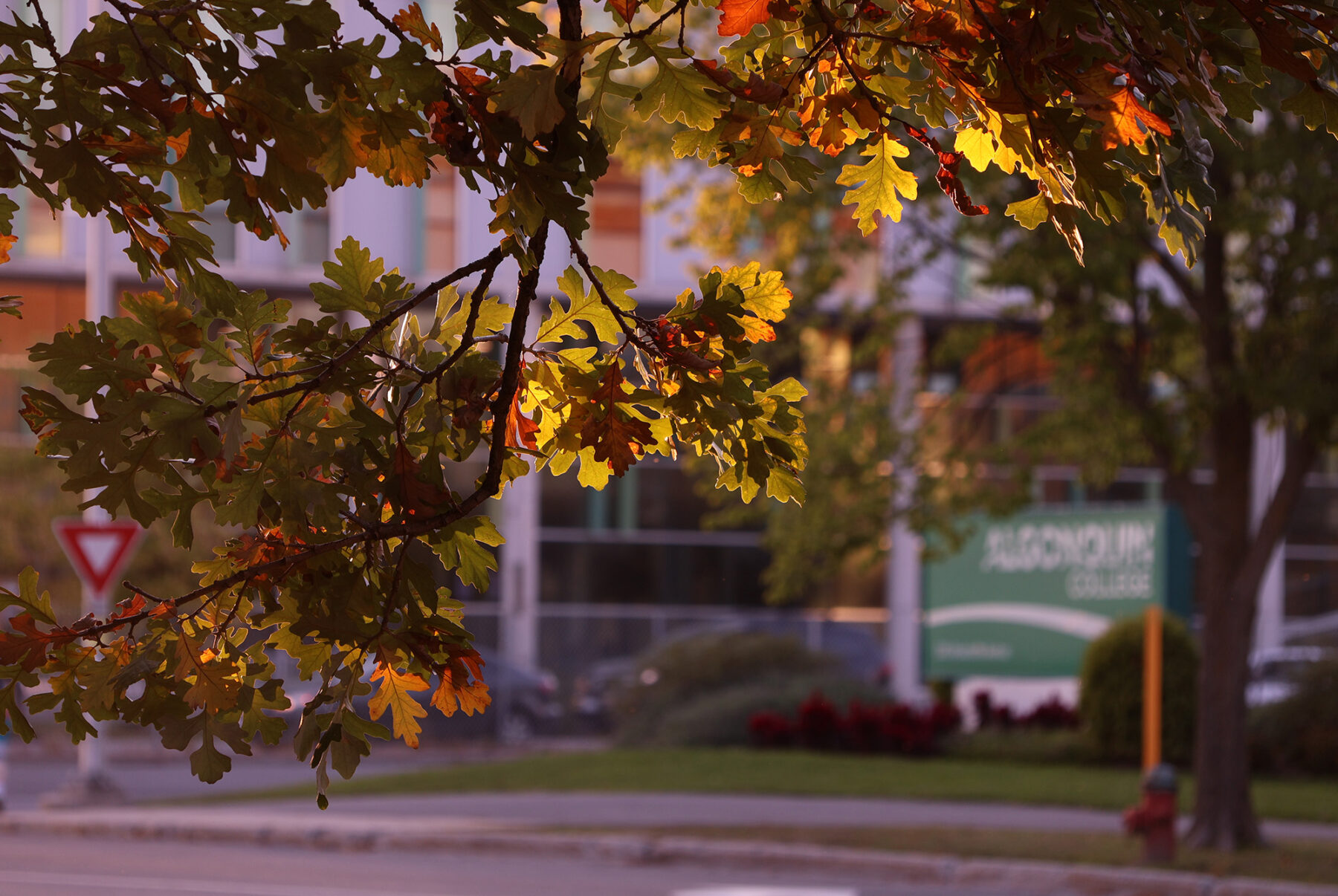
Now, two years later, the spot for an environmental club at the college remains empty and students are not interested in bringing it back.
“I used to care about it a lot. I was very big on waste management and emissions and then, I don’t know, I kind of just stopped thinking about it,” said Kalev Bailey, a student in the horticulture techniques – apprenticeship program.
He noticed people in his social circle only mention climate change when a new development happens.
“It comes up every now and then, or something major happens like a new animal just went extinct,” said Bailey. “Then people care about it a little bit, and then it gets old or gets boring, and it’s sad to say, but it’s not exciting for people.”
A survey conducted among 1,500 Canadian adults by Abacus Data this summer validates Bailey’s sentiment. Among issues such as cost of living, housing and Donald Trump’s administration, “climate change has slipped down the list of urgent public issues, with only 15% now ranking it among their top three concerns.”
Bailey recognizes climate change is a problem, but says he does not see the immediate effects of it on his day-to-day life, so he does not spend much time thinking about it.
Jacob Griffin, a student in the electrical engineering technician program, feels the same way.
“I think it’s a very serious issue that lots of people easily dismiss or don’t pay enough attention to because it’s not something that they’re constantly bombarded by all the time in news or what people are talking about,” said Griffin.

While Griffin is too busy to join any school clubs, he does try to minimize his environmental impact in other ways.
“I reuse my Ziploc bags,” said Griffin. “I wash every single Ziploc bag. I do not throw out Ziploc bags until they have holes in them.”
Practising sustainability with household items is something he learned from his parents.
“I don’t buy a new soap (and dispenser) every single time,” said Griffin. “I buy the big refills, I refill it. But those are probably small things in the grand scheme of things.”
When Taylor started the AC Environmental Society, she set out to encourage others within the college community to be more sustainable. At the same time, she wishes policymakers did more to reduce humans’ impact on the environment.
“It’s hard because the government tries to pin it on the individual, but the individuals need to realize that we have the power and we should be advocating for change,” said Taylor. “Our whole system, the capitalist system, is messed up and we’re obsessed with buying stuff that isn’t necessarily the best for the planet.”
But students don’t have to join an environmental club to change their purchasing habits and raise awareness about climate change.
“I think once you start to be aware of the impact of stuff, it’s easier to be like, okay, maybe I could make these choices,” said Taylor. “It’s a lot easier than some people think.”