Algonquin College filmmaker’s documentary explores college funding
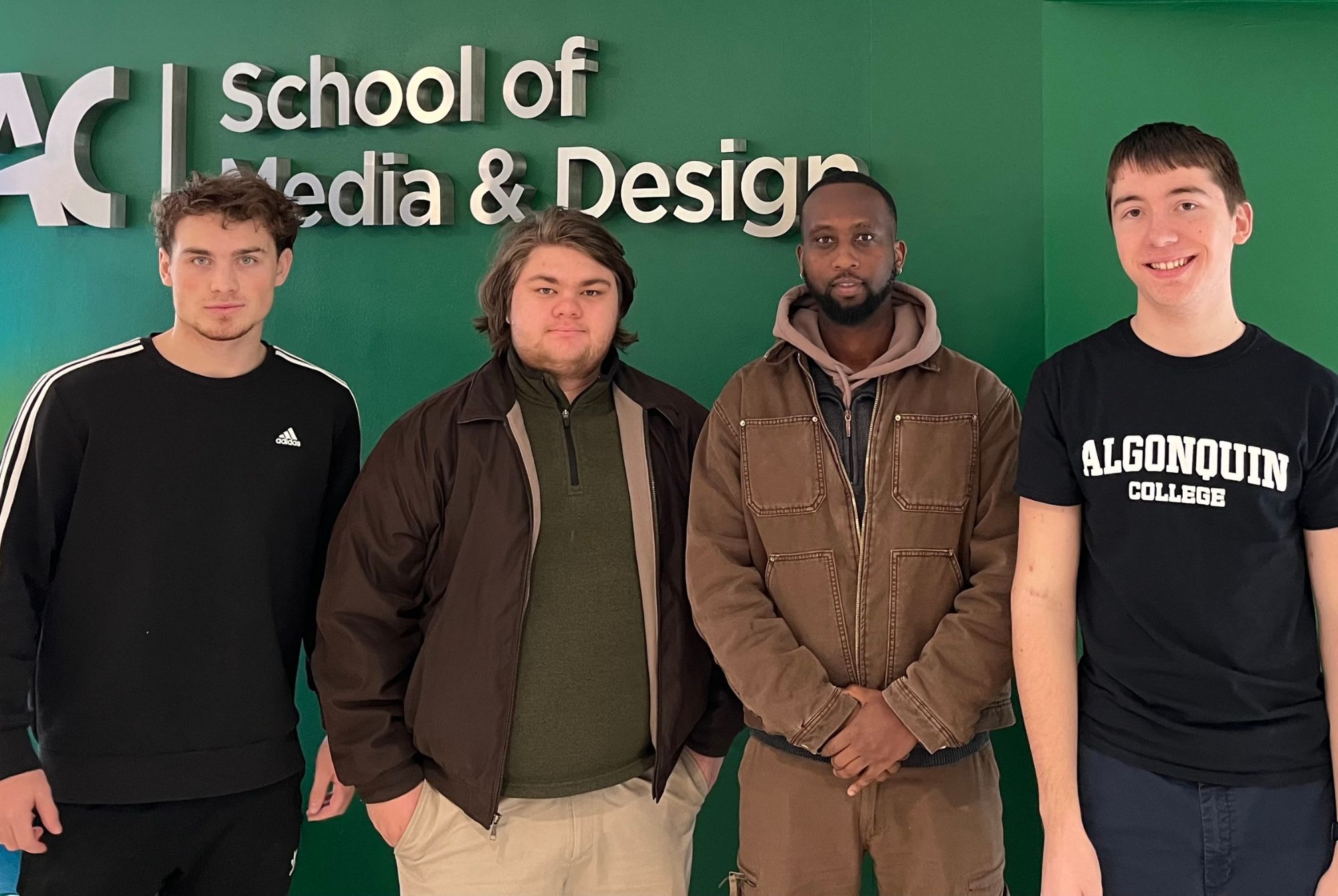
When Samuel A. Pilon’s dream French-language television and film program was cancelled with little to no notice in April 2025, his plans changed overnight.
Instead of simply switching programs, the 18-year-old Algonquin College student began investigating the decisions behind the cuts, and turned his experience into an investigative documentary that later aired on PBS.
Pilon’s film connects his personal experience to a wider crisis reshaping post-secondary education across Ontario. The film investigates how thousands of students and staff were forced to change programs, transfer schools or rethink their career plans after more than 650 college programs were cancelled across the province in 2025.
“Students are being told the system is broke,” Pilon said in an interview, “but we have the money. It’s just being spent somewhere else.”
Pilon’s documentary was released in December, one month before Algonquin College announced its plan to suspend more programs. In January, the college said in a public statement on its website that the proposed cuts were driven by lower enrolment and ongoing financial pressures, saying the changes are intended to focus on areas with strong job demands and support the institution’s long term financial stability.
On Feb. 12, the Ontario government announced a new funding model for post-secondary institutions. The province also indicated it will allow institutions to increase tuition.
Following Algonquin’s announcement about proposed program suspensions on Jan. 22, students were feeling an immediate impact. Programs are disappearing, costs are rising and uncertainty is growing about whether their field of study will even exist by the time they graduate.
Pilon experienced this uncertainty firsthand. After his dream program at Collège La Cité was cancelled, he secured a last-minute transfer into the film program at Algonquin. The replacement option cost almost 50 per cent more in tuition and required additional living and relocation expenses, adding thousands of dollars to his education outlay.
Not only was the shift expensive, it also forced him to study in his second language, English, adding yet another strain to his education plan.
Rather than treating the cancellations as an isolated setback, Pilon began examining the financial structure behind the cuts. His research found that Ontario was providing the lowest per-student post-secondary funding in Canada — a gap he says had been building for years.
“We’re actually dragging down the national average because of how low our funding is,” he said.
His documentary states that provincial operating funding for colleges dropped by about 30 per cent by the 2013-14 fiscal year. At the same time, tuition freezes introduced in 2015 left colleges delivering current programs with funding levels from nearly a decade earlier.
To make up the difference, many colleges relied heavily on international student tuition. Some institutions enrolled more international students than domestic ones — a model Pilon said was unstable from the beginning.
Recent federal limits on international study permits exposed that vulnerability, with a 16 per cent drop in study permits from 2024 to 2026. This has contributed to sudden revenue losses and accelerating program cuts across the province.
Pilon’s film was one of several selected for broadcast through Algonquin College’s Film and Media Productions program. Each December, a small number of student documentaries are chosen for a one-hour special on WPBS-TV in Watertown N.Y., reaching audiences in northern New York and Eastern Ontario.
Pilon said his goal with the documentary is not advocacy, but awareness.
“This is about transparency,” he said. “Students should know what’s happening to their education.”