Workshop teaches students how to make sealskin poppies
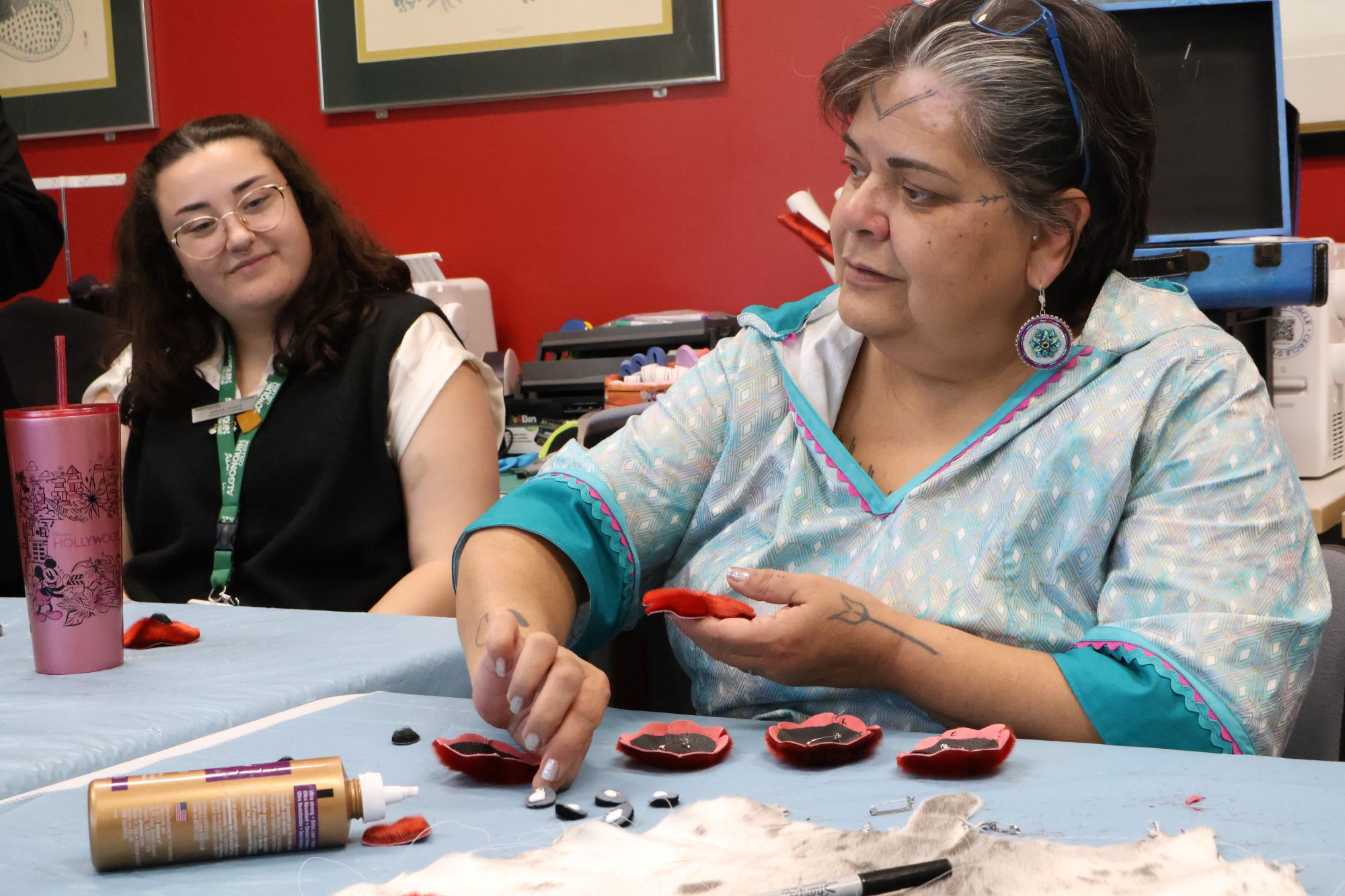
The Mamidosewin Centre held a workshop on Oct. 20 where staff and students had the opportunity to make their own Remembrance Day poppies out of sealskin.
The workshop was directed by Inuk elder and educator Trudy Metcalfe-Coe, who has been making sealskin poppies for five years. She began making them after seeing others wearing them in her northern Labrador community and they have drawn attention since then.
“People would ask, ‘Oh can you make one for me?'” said Metcalfe-Coe. “And now here we are making workshops so people can make their own.”
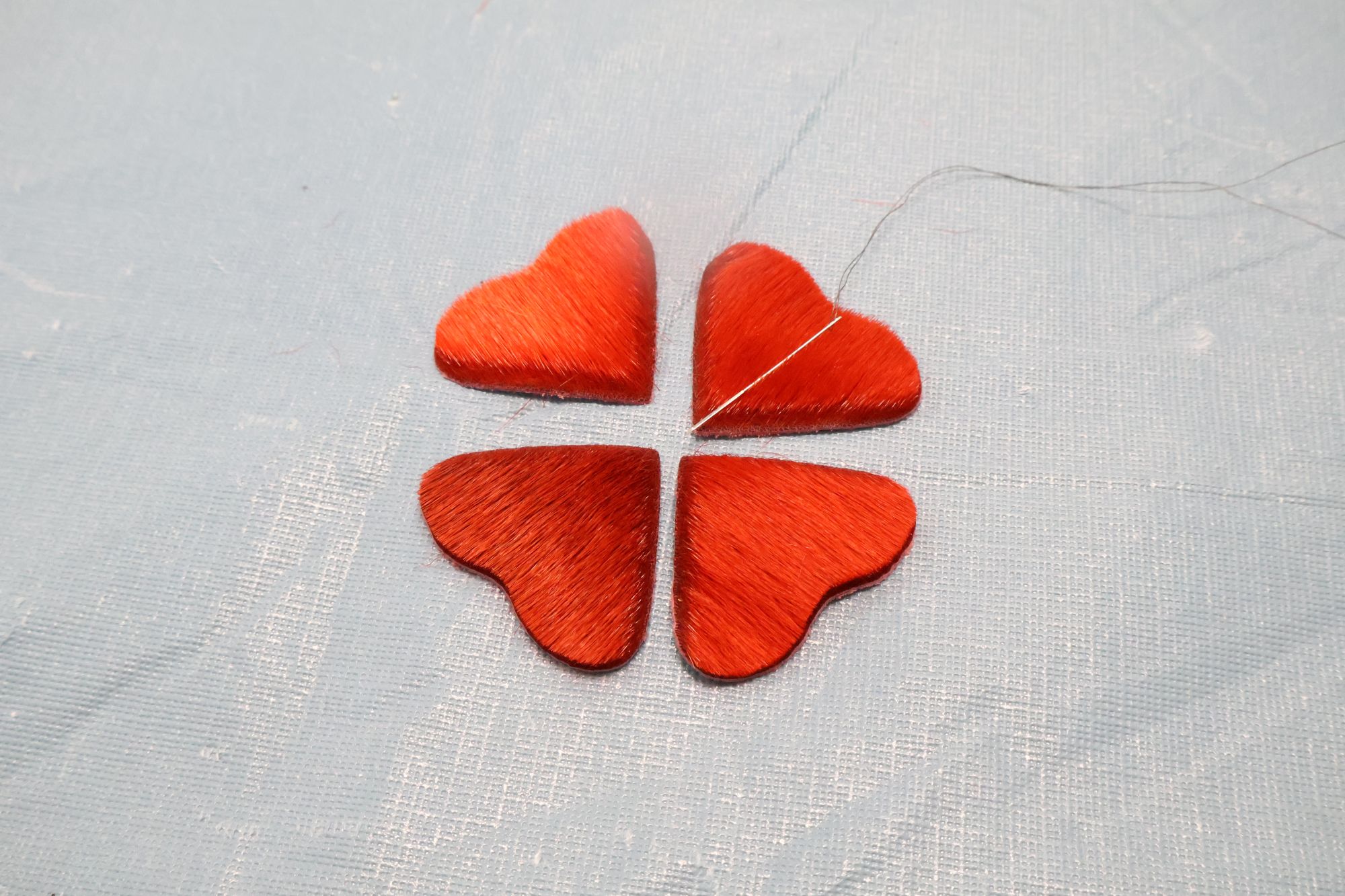
The sealskin poppies are a great alternative to the common plastic one, discouraging single-use plastic by using a natural byproduct of the seals. They do not fall apart or get lost, ensuring they can be worn for years.
“Those little ones we’ve been using for years blow off your jacket — they’re polluting the environment,” said Metcalfe-Coe.
“With these ones, they’re not going to fall off your jacket, they’re sustainable and they’re made from organic materials so it’s not going to damage the earth.”
The poppies also blend remembrance with Inuit culture. Seal hunting is a very important part of Inuit culture, as well as using every part of the animal. Using the seal’s skin to make poppies is another way of honouring the culture and the animals.
Making the poppies was a learning curve for first-timers at the workshop. Sewing thick leather is much tougher than regular fabric and requires a special kind of needle with a triangular tip called a Glover’s needle.
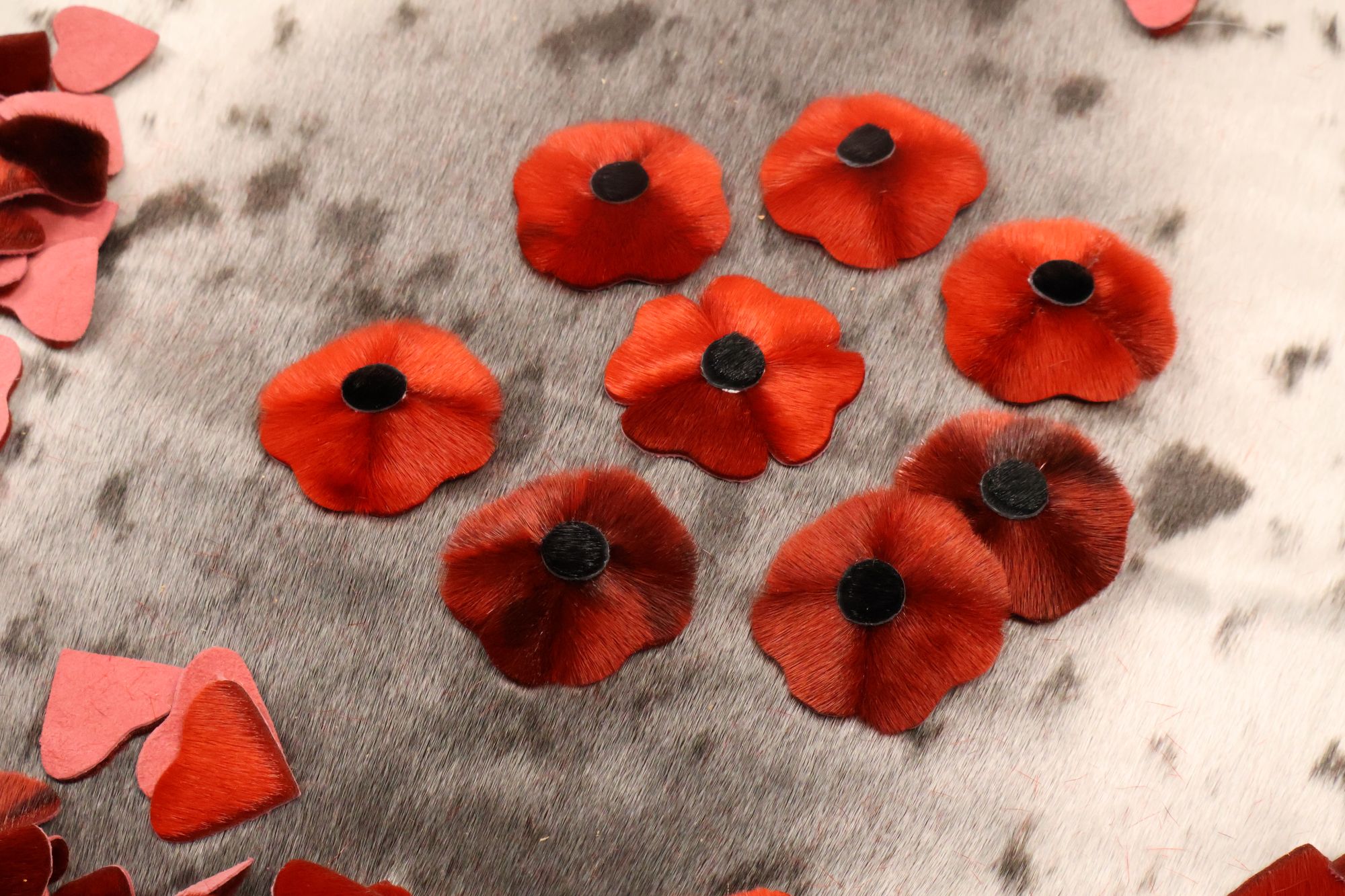
Though the workshop was challenging, participants said the experience was worth it.
“The instruction was really good, but working with the material was a lot harder than I thought,” said Katherine Hurd, a client service coordinator at Algonquin College.
“It was a lot of fun in the end.”
The workshop was a great learning opportunity for everyone who participated, not only about sewing, but about Inuit culture and the importance of remembering fallen veterans, no matter what background they came from.
“When I wear mine, I wear it in honour of Indigenous veterans,” said Metcalfe-Coe.
“Any proceeds that I might make from poppies I use to support Indigenous veterans or rangers in the Arctic.”