Unhoused voters want to be heard in Ottawa’s municipal election
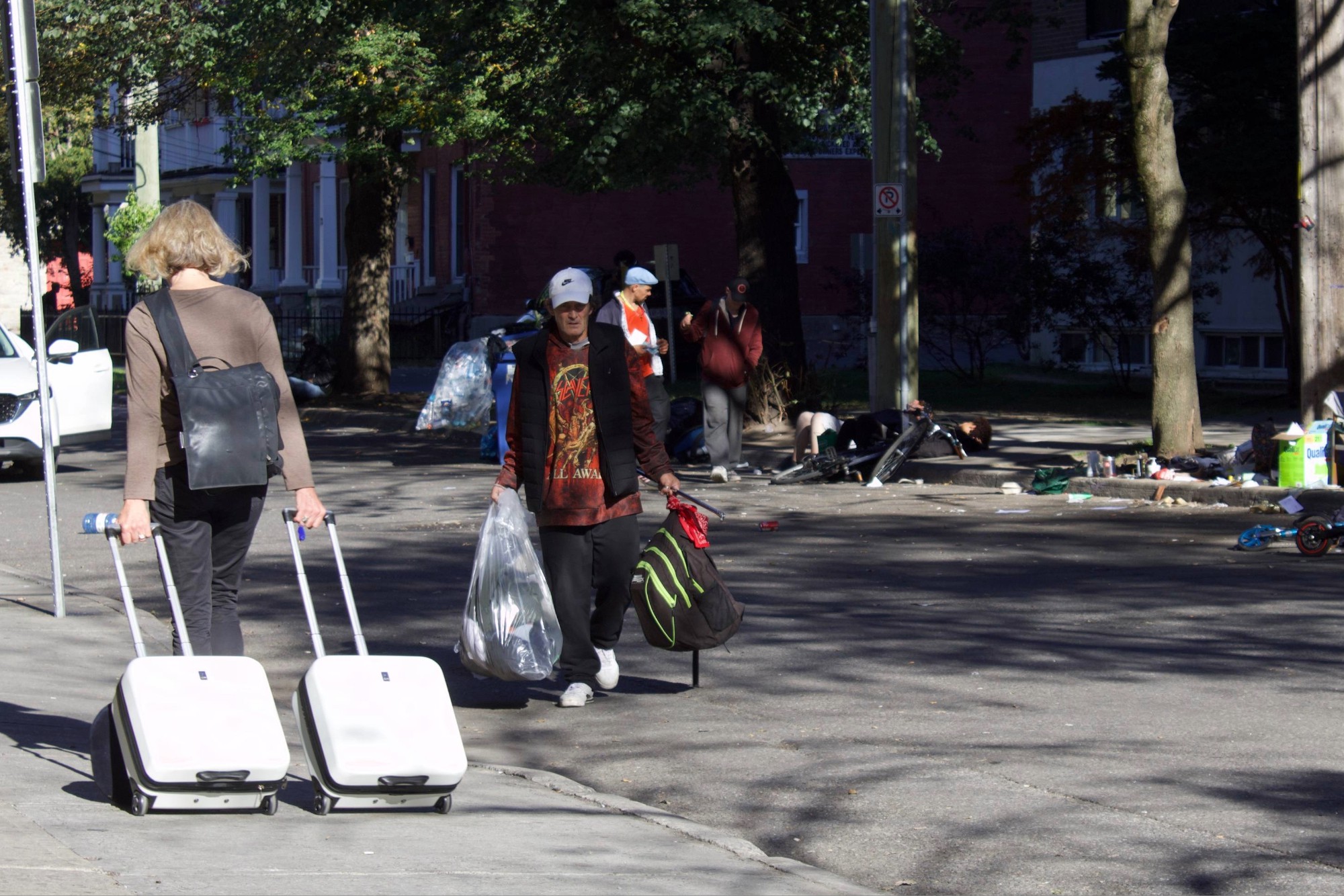
Pamela Birchhall wants to be heard during Ottawa’s municipal election.
Birchhall, who is unhoused, says there needs to be more affordable housing, considering the long wait for people to find a safe place to live.
“A lot of people have been waiting years for housing,” said Birchhall.
“My friend has been in a shelter on the waitlist for two years and still can’t get a place.”
Birchhall described the dangers of having no home and spending days on the streets.
“I feel really vulnerable when I’m out here on the street,” said Birchhall.
“I get hassled, I get drinks thrown at me, I get verbal abuse from other people.”
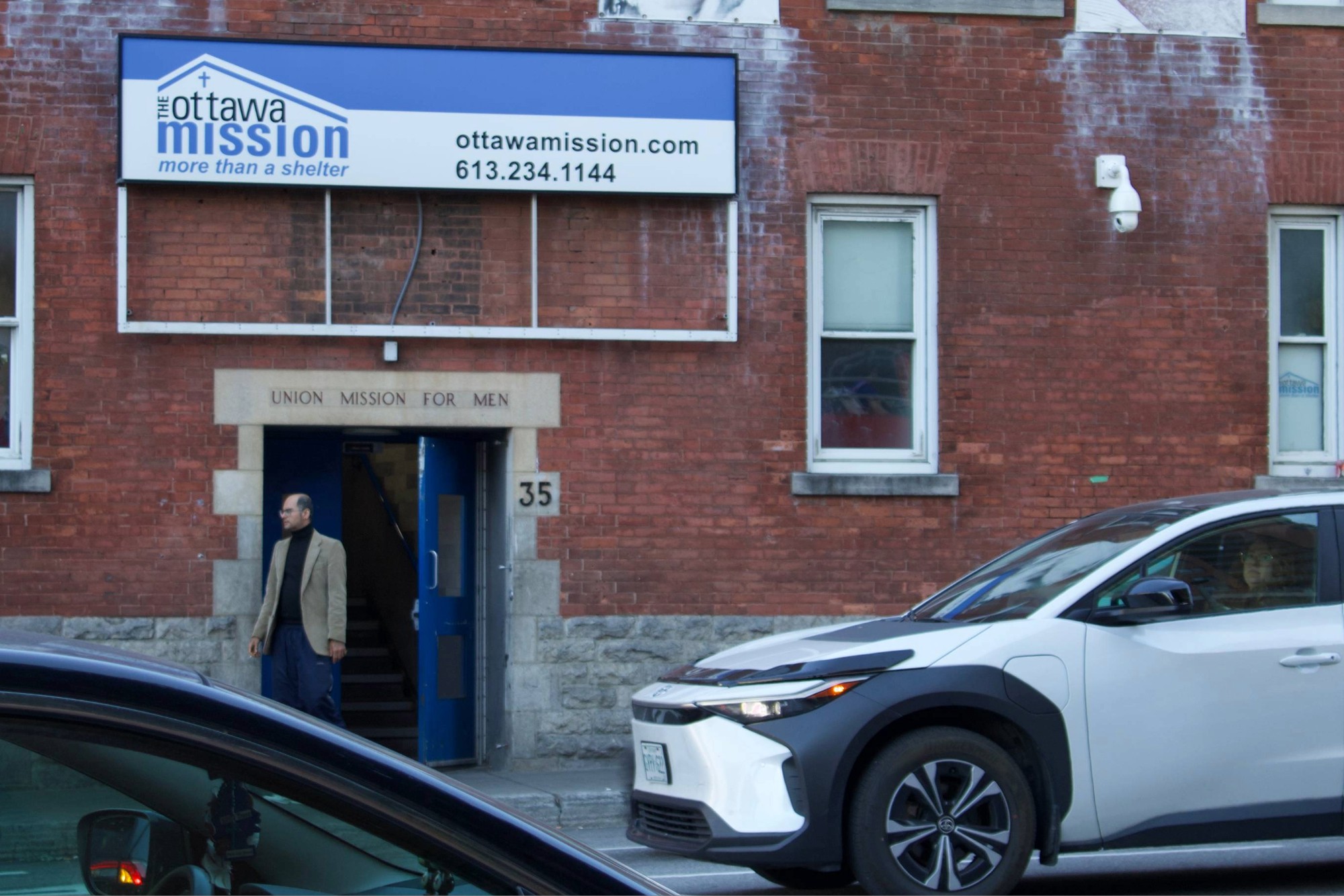
Added Birchhall: “I feel safer at the mission (The Ottawa Mission), where I’m surrounded by staff and other people that are like me — people that are also in a vulnerable position.”
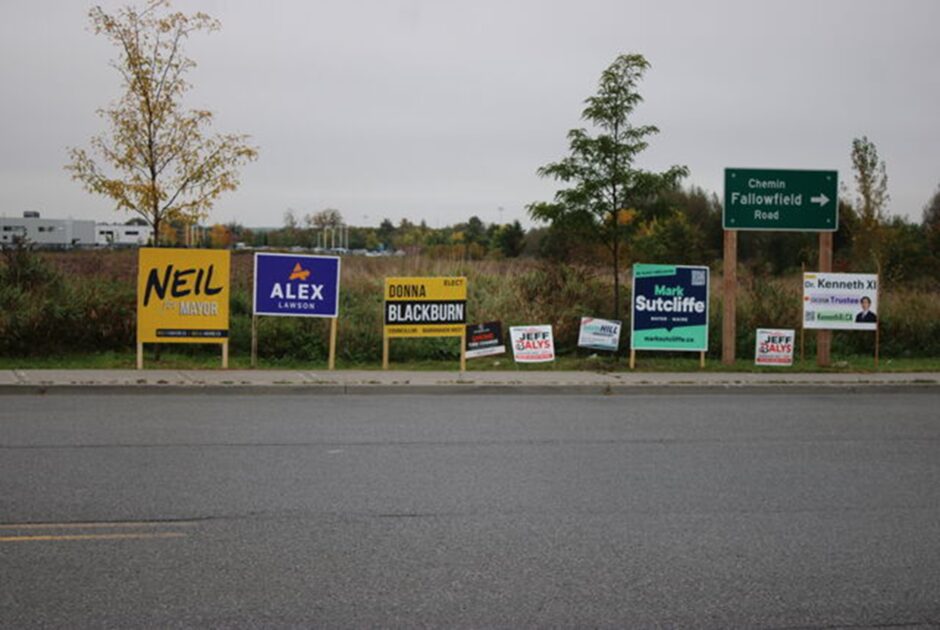
Homelessness in Ottawa has drawn attention from campaigns during the municipal election. With the Oct. 26 election approaching, advocates are hoping for the unhoused community to finally be supported.
Amber Bramer, director of communications at Cornerstone Housing for Women, said she hopes a future mayor expands efforts like ANCHOR.
The alternate neighbourhood crisis response, otherwise known as ANCHOR, is a 24/7 community-led mobile service team in Ottawa that dispatches trained crisis workers instead of police to support people experiencing mental health or substance use-related crisis.
Bramer shared how mayoral candidates have extended support to her organization.
“We’re hoping for more serious commitment to building more housing in the city,” said Bramer.
“We know that supportive housing reduces harm to the individual, to the community, and produces taxpayer dollars as well.
“The current mayor of Ottawa (Mark Sutcliffe) has come to visit us recently at our emergency shelter to learn more about what our needs are and has strongly supported what we do need,” said Bramer.
“We’ve also been in conversations with Jeff Leiper, who is also running. He is our councillor for the Westboro neighbourhood. He’s been (here) recently to come and learn more about how he can support people experiencing homelessness in our city.”
According to HomelessHub, 32 per cent of homeless individuals in Ottawa identify as Indigenous and 11 per cent of homeless individuals identify as LGBTQ2S+.
Bramer highlighted the disadvantages those communities might face this time of year,
“We support women and gender-diverse individuals, including POC & LGBTQ2S+. We worry that people won’t seek shelter, services and support during the winter because it’s harder to leave at the holiday times,” said Bramer.
“We see a greater influx of people needing shelter services in January. We fear that people are staying in unsafe situations and are unable to access support.”
Bramer said Cornerstone is at capacity every night.
“We have 165 shelter beds including our overflow, so we have to turn away around three people a day,” said Bramer. “By that I mean we contact other shelters to find a place for them.”
Bramer believes another related disadvantage was the end of funding for the province’s remaining supervised consumption sites and related services.
“We see a lot more people using in hidden spaces because they feel stigmatized,” said Bramer.
“They don’t want to get in trouble, so a lot of people are hiding down the streets behind dumpsters.
“We’re seeing more people being unsafe and using unhygienic supplies. Supervised consumption sites readily had those supplies available for folks,” said Bramer.
“That space was somewhere people could go where they felt safe, not stigmatized. They could get access to housing and other healthcare services.”
Bramer also shared the heavy toll it takes on staff.
“We’re finding it difficult because the frontline staff are having to go out into the community more to help reverse overdoses,” said Bramer.
“In August, there was a toxic fentanyl supply out there. Eight people were overdosing at the same time on different streets.
“(We) only have so many staff members to deal with it. There’s some staff burnout and emotional exhaustion,” said Bramer.
Myles Dingwall, manager of communications at the Ottawa Mission, agrees that the province’s decision on supervised consumption sites has led to an increased disadvantage for unhoused people.
“I’ve already seen an impact in terms of discarded paraphernalia and people putting up stuff around our shelters,” said Dingwall.
“For a lot of our clients experiencing mental illnesses, substance use disorder or related issues, new, affordable homes and supportive housing can go a long way.”
Dingwall believes there are layers to the process of ending homelessness in Ottawa.
“We call on all three levels of government to work together because we do find that unless federal, provincial, and municipal pull on the same rope, the results won’t be quite as good,” said Dingwall.