Student advocacy, transit among Algonquin Students’ Association priorities

Algonquin Students’ Association president Jacob Stewart says collecting student data will be a key priority this year as the organization prepares to advocate for students to the college’s Board of Governors.
“We want to tackle the big problems, the long-term problems and our goal is to work with the college,” said Stewart. “We have a strong relationship with the college…and they actually listen to us as long as we bring the data.”
Stewart says he and SA vice-president Cianah Miller are making a point of being available to students who want to share their concerns. They plan to gather feedback through SA-conducted surveys, meetings with class representatives and conversations with students on campus.
While Stewart is relatively new to the student association — this is his first term on the Board of Directors — Miller has had several roles within the SA.
“This is going on my fourth year. I’ve worked in different positions in the SA and I’ve always loved the work,” said Miller. “I had a classmate two years ago that was on the board, and learning what it meant to her and how much I can make an impact made me want to go for it.”
Stewart and Miller say maintaining an open line of communication with college leadership is important. Stewart says his previous experience as a student representative taught him the importance of speaking up.
“I really liked being able to get things done for the other people in my corner, and I thought to myself, ‘What if I could do this for more people?’” said Stewart.
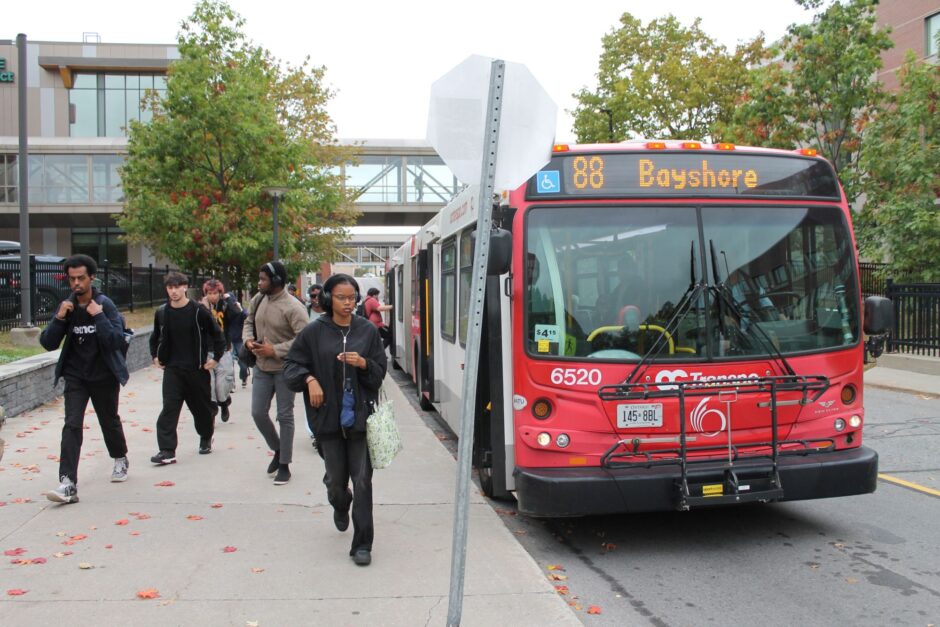
One key concern for students is how they get to and from the college amid ongoing problems with Ottawa’s public transit system.
In June 2026, City of Ottawa’s auditor general released the Audit of Bus Service and Scheduling, a scathing report about OC Transpo that highlighted issues with the reliability and timeliness of services.
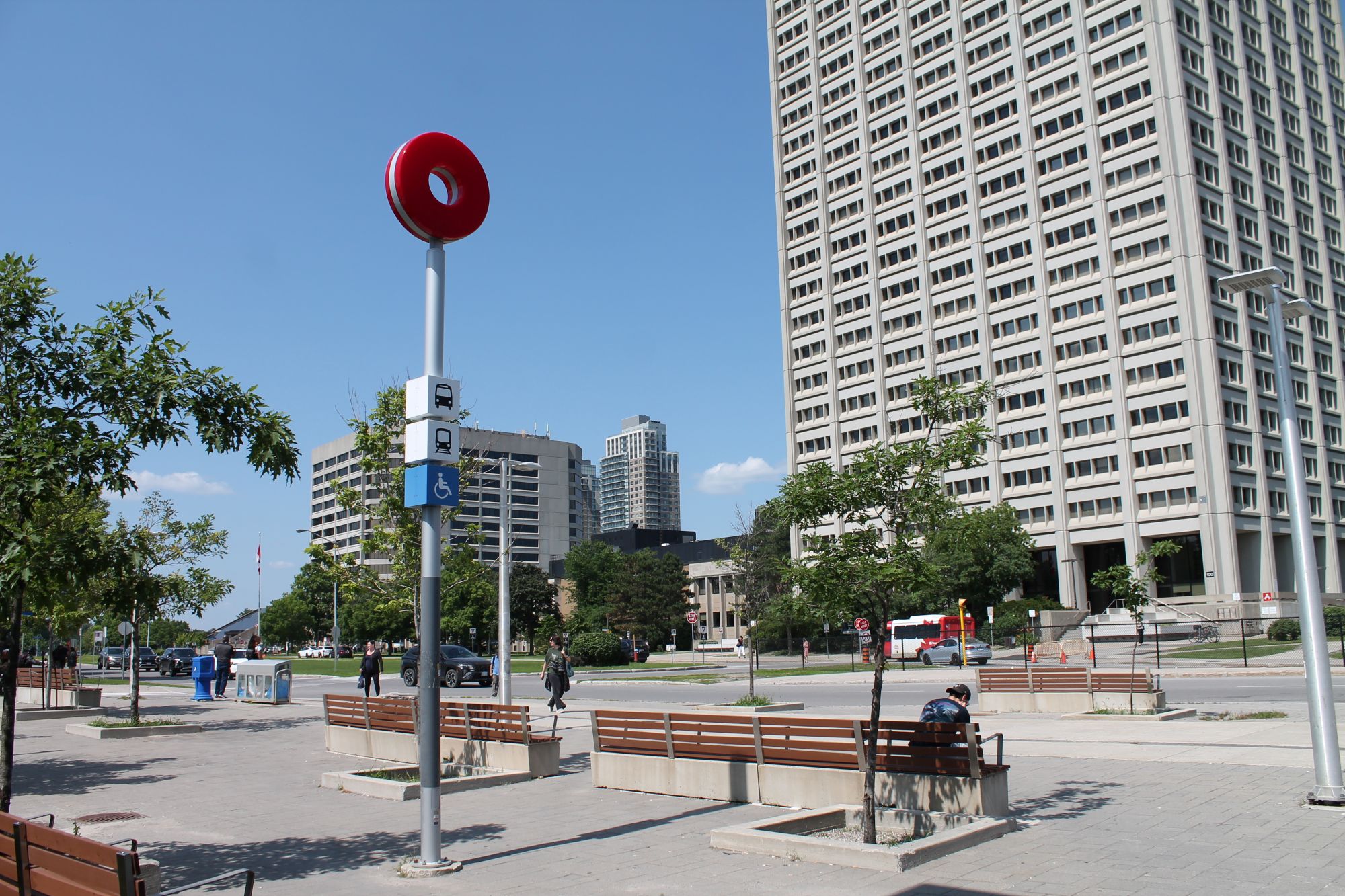
Algonquin College students pay a mandatory $240-per-semester transit fee as part of their tuition, with limited ways to opt out. College policy does not allow for refunds if a student lives within the OC Transpo or Société de transport de l’Outaouais (STO) service area, regardless of service reliability or length of commute, which for some can be up to two or three hours one way.
Stewart says he and Miller have heard from many students with concerns about paying for an unreliable service and they will be bringing those concerns to the college and OC Transpo working groups.
“Transit is one of our priorities for the year and we are actively working as best we can,” said Stewart. “My goal for this year is when they come to ask for an increase (in fees) — it hasn’t increased in five or six years, since pre-COVID — is to find a compromise. I’ll try to find a realistic number.”
Stewart also plans to raise concerns about the rules governing transit-fee exemptions with the college.
“I can’t go out there and say I’m going to fundamentally change the way that the service fee works. I just don’t have that power,” he said. “But that data I’ve also received and it’s top of my mind.”
Beyond advocacy, the SA provides a wide range of services and events throughout the year.
The association organizes events such as the long-running Dirty Bingo program and movie nights, intramurals and offers a wide variety of on-campus clubs. It also provides a student health and dental coverage plan.
“A lot of what we do is long-term, but the biggest thing we do short-term is just helping with student life, giving them an experience outside of their (academics), helping them to have a break,” said Stewart.
“Academics are top of mind for students, but students still want distractions once in a while. To be able to offer them safe spaces to go, whether it’s for an hour or a couple of hours to go to a movie or play…the student association is very valuable to students.”
The Algonquin Students’ Association is located in E114 and is open Monday to Friday, 8 a.m. to 4 p.m.