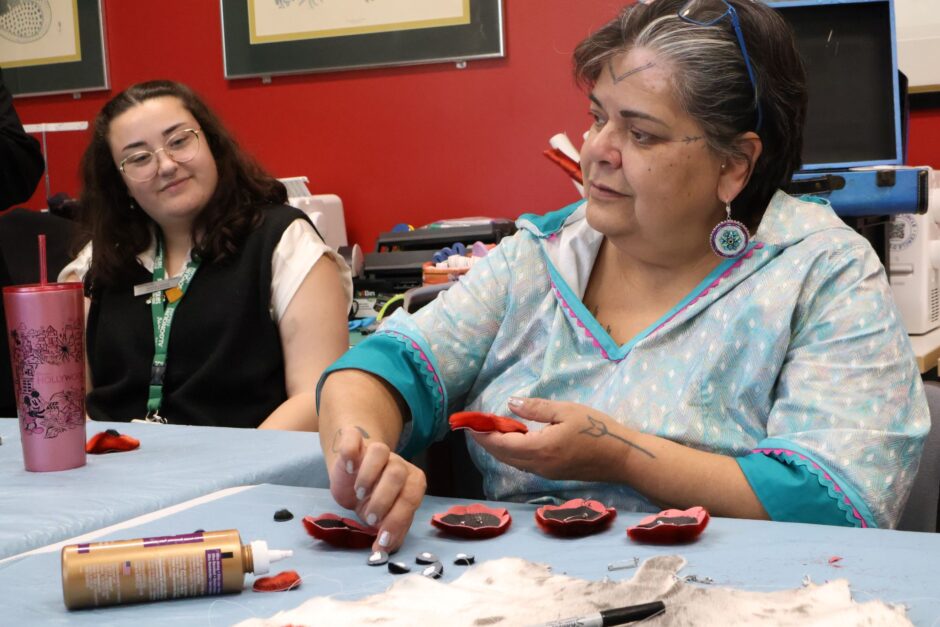
Algonquin College celebrates start of the school year with games, music and a new plan for the future

AC Day 1 started the new academic year off with a bang, welcoming students new and returning with a campus full of games, entertainment, food and significant change.
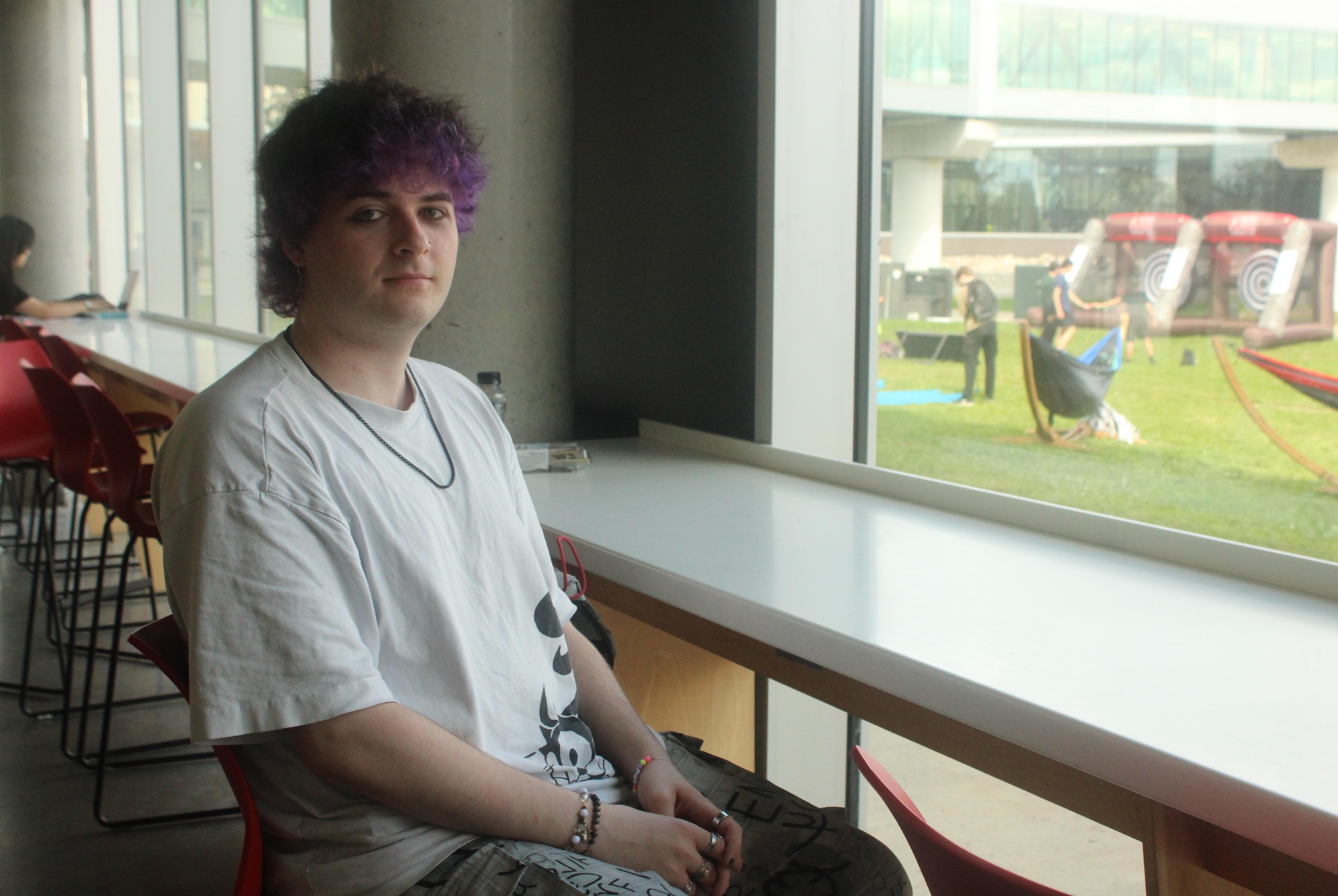
“I only really came to AC Day 1 to try and meet some of the people in my program,” said Samuel Morrison, a first-year robotics student. “I didn’t realize they had all these games and different things set up outside.”
Morrison finished the pre-tech program last spring and said they’re looking forward to working towards their dream career in the field of robotics.
The front lawn of the Student Commons was filled with activities such as mini golf, gigantic chess, live music, hammocks and plastic axe throwing.
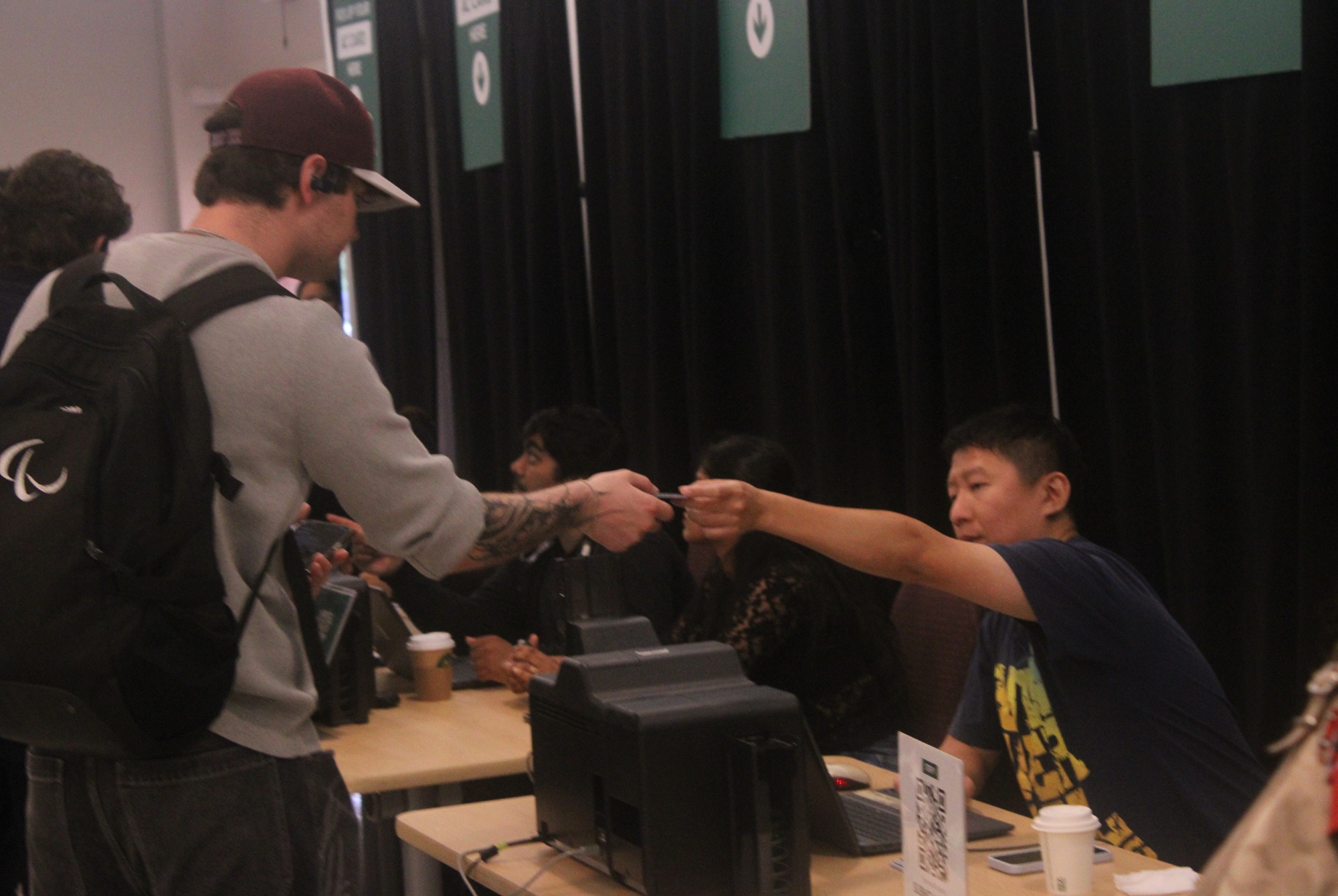
Inside the building however were several information booths for new students to learn about the college, public transportation in Ottawa and the Students’ Association.
“I think it’s a great idea to have a fun day to have people explore and learn all sorts of things about the college at some of the panels,” said Marley Therrien, a second-year animation student.
“I’m not sure how many people are realistically going to those, though — they’re pretty boring.”

Games and entertainment weren’t the only things new at Algonquin College, though.
Over the course of 2026 and the summer months in particular, Algonquin College saw significant change in the form of a new food service provider and updated science labs.
“I haven’t noticed anything that’s exaggeratedly awful or found anything inappropriate in my food yet,” said Ewan Fernie-Nixon, a first-year business accounting student.
“So far so good, I suppose.”
In 2026, Algonquin College entered an agreement with outside food supplier Chartwells Canada.
This came with updates to all food centres not run by the SA including The Fix in CA-building, the cafeteria in D-building and 35th Street Market Café in the residence building.
“I love the new way which everything is organized in the residence market,” said Therrien.
“It’s so much easier to find things that you’re looking for and the food seems great, too.”
Fernie-Nixon switched his program from his dream of game development to business accounting, something he believes to be for the greater good.
“I’m assuming it would be easier to find a job in the market of accounting rather than game development, though that’s not to say I don’t have a passion for game development,” said Fernie-Nixon.
“Keeping what you enjoy and what you want to do for your career separate is a much better idea overall, I think.”
Students had praise for Algonquin College and the many different services, amenities and extracurricular activities it provides.
“Since I come from Brazil, let’s just say colleges over there aren’t this big,” said Caio Pego, a returning Level 2 administration and business supply chain management student.
“When I got the opportunity to come here I just took it. When I came here and I saw everything it was like, ‘What do you mean we’ve got a bowling alley here? I don’t even have a bowling alley in my whole city!'”
Therrien was also impressed.
“This school is great. I wouldn’t know for sure if it’s the best one but they’ve definitely done a good job,” said Therrien.
Some of the changes made by the college have been more difficult for both the college itself to make and for students to adjust to.
In March 2026, 30 programs were cut in hopes of addressing financial struggles the college has been experiencing, much to the dismay of many students.
“I was kind of horrified,” said Therrien.
“I was talking to some people and I only recently learned that they cut the illustration program which a load of people were set up to go into from drawing foundations. I was just picturing how horrible that must feel to have your big plan completely fall out from under you with zero warning.”
Some students however, are more understanding to the problems the college is facing.
Morrison believes the decision to cut programs isn’t an easy one and feels the college is making the best of a bad situation by trimming programs which are being left behind in the current economic climate.
In a message released on March 25, 2026, Algonquin College president and CEO Claude Brulé stated that “as we look ahead, our focus is to operate more cohesively, efficiently and strategically.”
The potential for AI integration into learning, teaching and college services as detailed in Brulé’s message has some students concerned for the future.
Fernie-Nixon feels uncomfortable thinking about how AI would be used in an official educational setting. He feels the reliance on AI could spell trouble for future generations who may come to use it as a crutch to get them through school.
On the other hand, Morrison feels the use of AI in the college wouldn’t rock the boat as much as others think.
“With how Algonquin College is very focused on students and interpersonal relationships, I feel like it’s going to stay this way for a really long time,” said Morrison.