
Discussions continue as OC Transpo looks to raise U-Pass fees
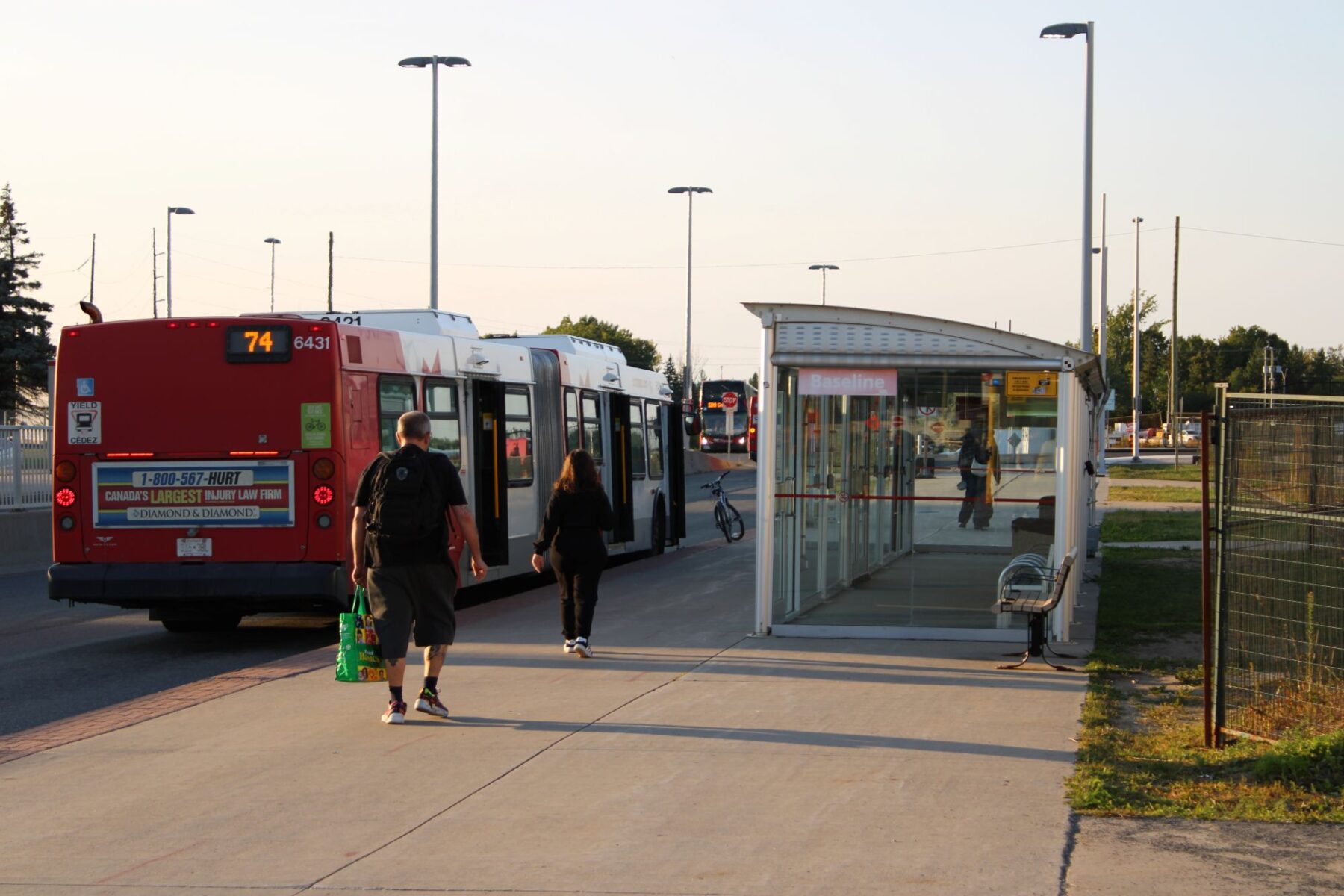
As OC Transpo seeks to increase U-Pass rates, the Algonquin Students’ Association is speaking with key players to represent students, says SA president Vanshika Sharma.
“The Algonquin Students’ Association advocates for cost-effective, reliable public transit for students,” Sharma said in an email statement. “Any resolution must prioritize the students’ needs.”
During a City of Ottawa transit commission meeting in November 2024, the transit staff proposed a five per cent increase to most fares in 2025. This included the U-Pass, which would have increased from $229.07 to $240.52. However, this year the U-Pass went up the agreed upon 2.5 per cent instead, going to $234.80, according to Algonquin College’s website.
The U-Pass is mandatory for all students, regardless of whether they use the bus service. Students who do not have access to OC Transpo or STO (a public transportation provider in Gatineau) areas, those with a U-Pass from another institution or those who have a disability or another medical condition, are allowed to opt out of the U-Pass.
“The U-Pass provides a discount between 41 and 50 per cent compared to student monthly passes, and a discount between 53 and 62 per cent compared to adult monthly passes,” according to Algonquin College’s website.
College ward councillor Laine Johnson, who voted against the motion to raise the U-Pass, said she’s been in contact with the SA.
“I do not believe the City of Ottawa has the right to unilaterally increase the cost of the U-Pass without negotiations with the four student associations, including the Algonquin Students’ Association,” Johnson said in an email statement.
The other three colleges in the agreement are the University of Ottawa, Saint Paul and Carleton University.
Students have long debated the value of the U-pass when considering the state of Ottawa’s transit system.
Robert Kemp, who’s taking practical nursing at Algonquin College, has dealt with some early morning bus cancellations, but he still sees the U-Pass as a benefit.
“I think it’s a useful service,” Kemp said. “I think including it in tuition is a helpful part for most students. Not everyone can afford a car, so it’s nice to have a reliable form of transportation.”
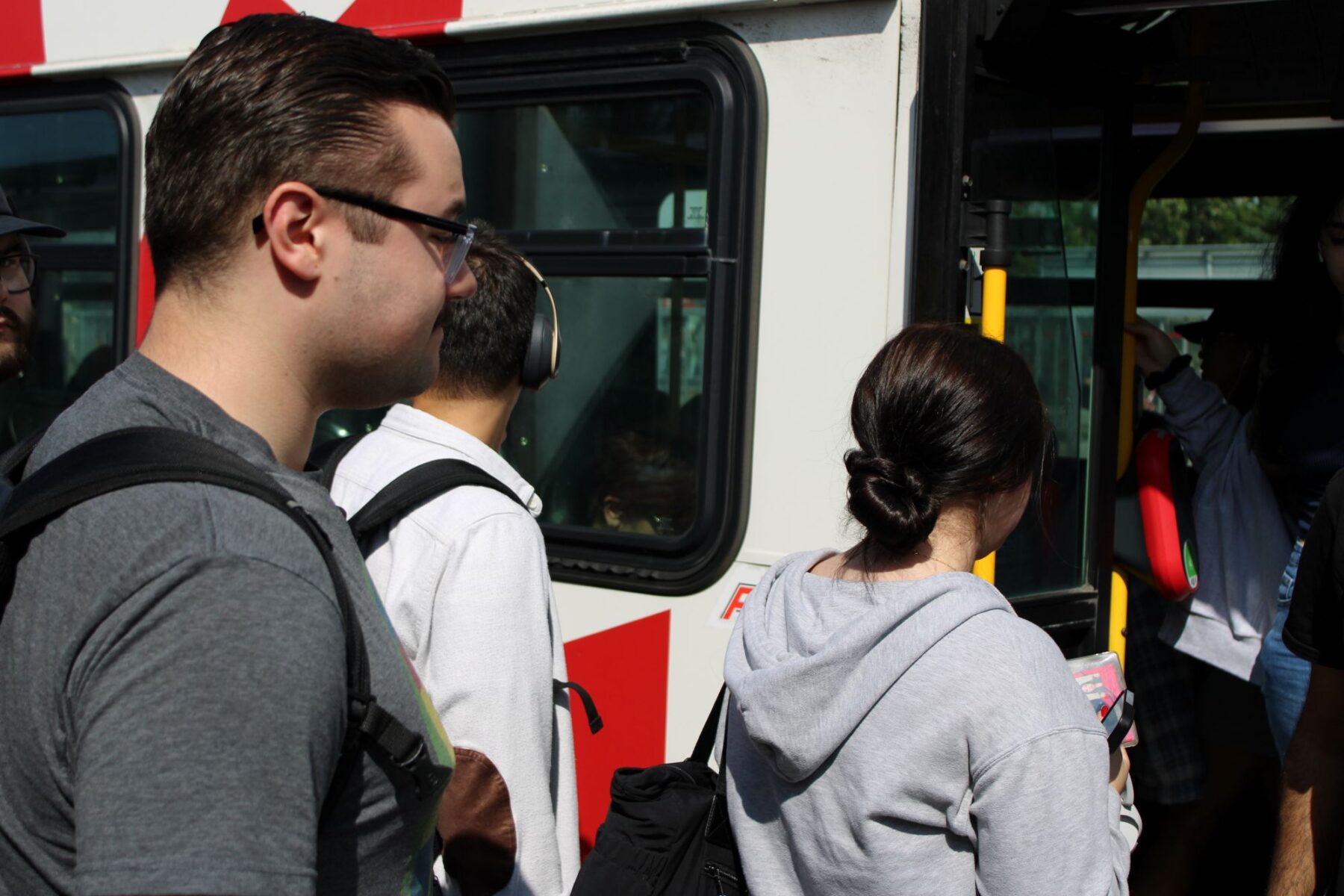
Adam Ames, who’s taking automation engineering at the college, said when he started taking the bus three years ago the system was good, but he believes it’s gone downhill since then.
“The buses came a lot more regularly and a lot more consistently, and they seemed to be less affected by the (local) high school,” Ames said.
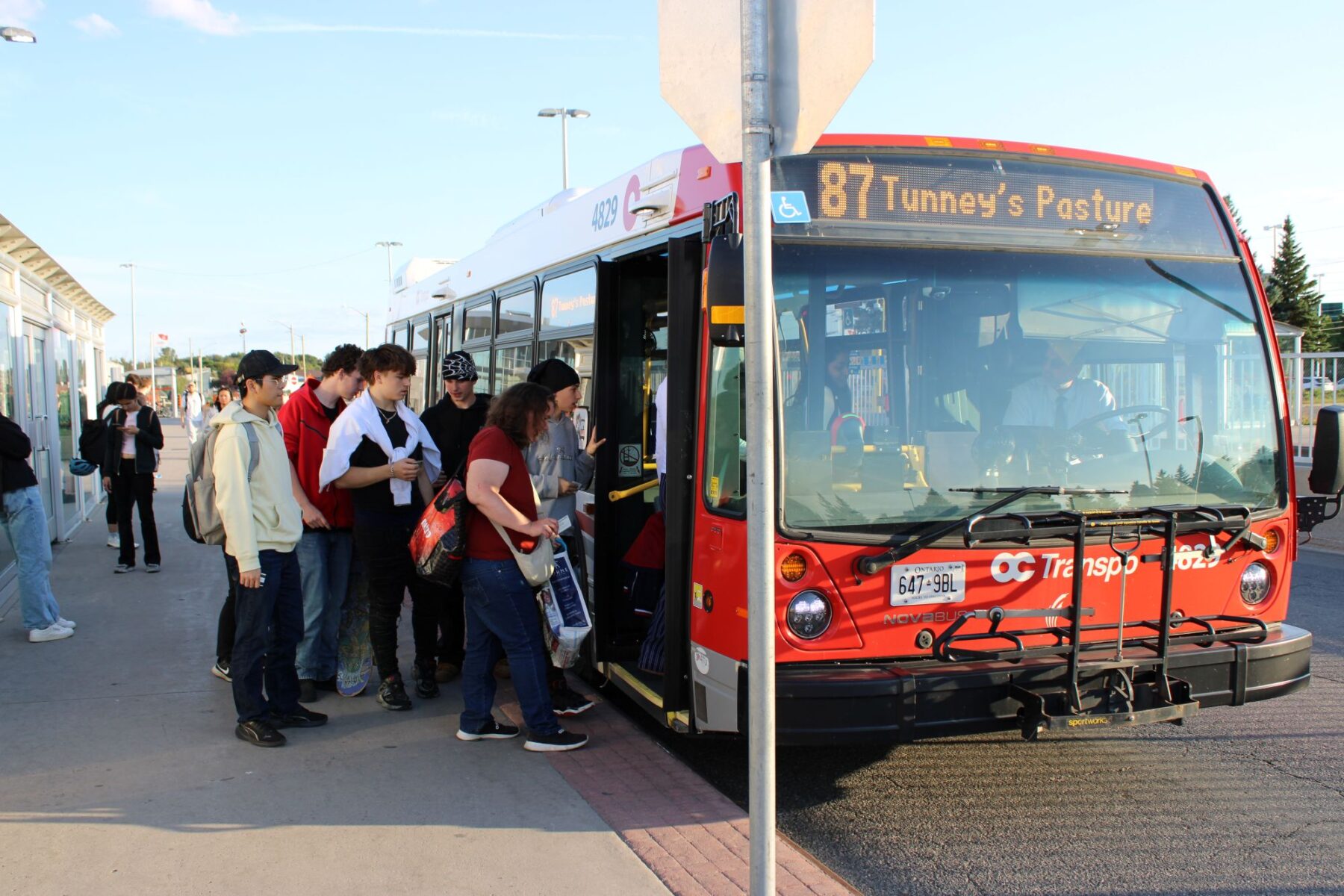
Ames takes the 87 and has seen problems with overcrowding.
“Any time from about 2 p.m. till about 5:30 (or) 6 p.m., the buses are completely unusable, for anywhere in that area. And same with 6:30 a.m., till about 9 a.m., the buses are completely unusable.”

Johnson says she’s disappointed with the “New Ways to Bus” changes that were made in the spring, but said the introduction of the LRT Stage 2 would be “the biggest improvement to public transit for Algonquin College students.”
“That would improve the value,” Ames said, “but not to the point of what they want to increase it (the U-Pass), because generally they still have poor coverage of routes around this area.”
Johnson says the LRT Stage 2 extension, which will link the college to downtown by train, is expected to open late 2026 or early 2027.