Algonquin College TV students want AI to stay out of movies
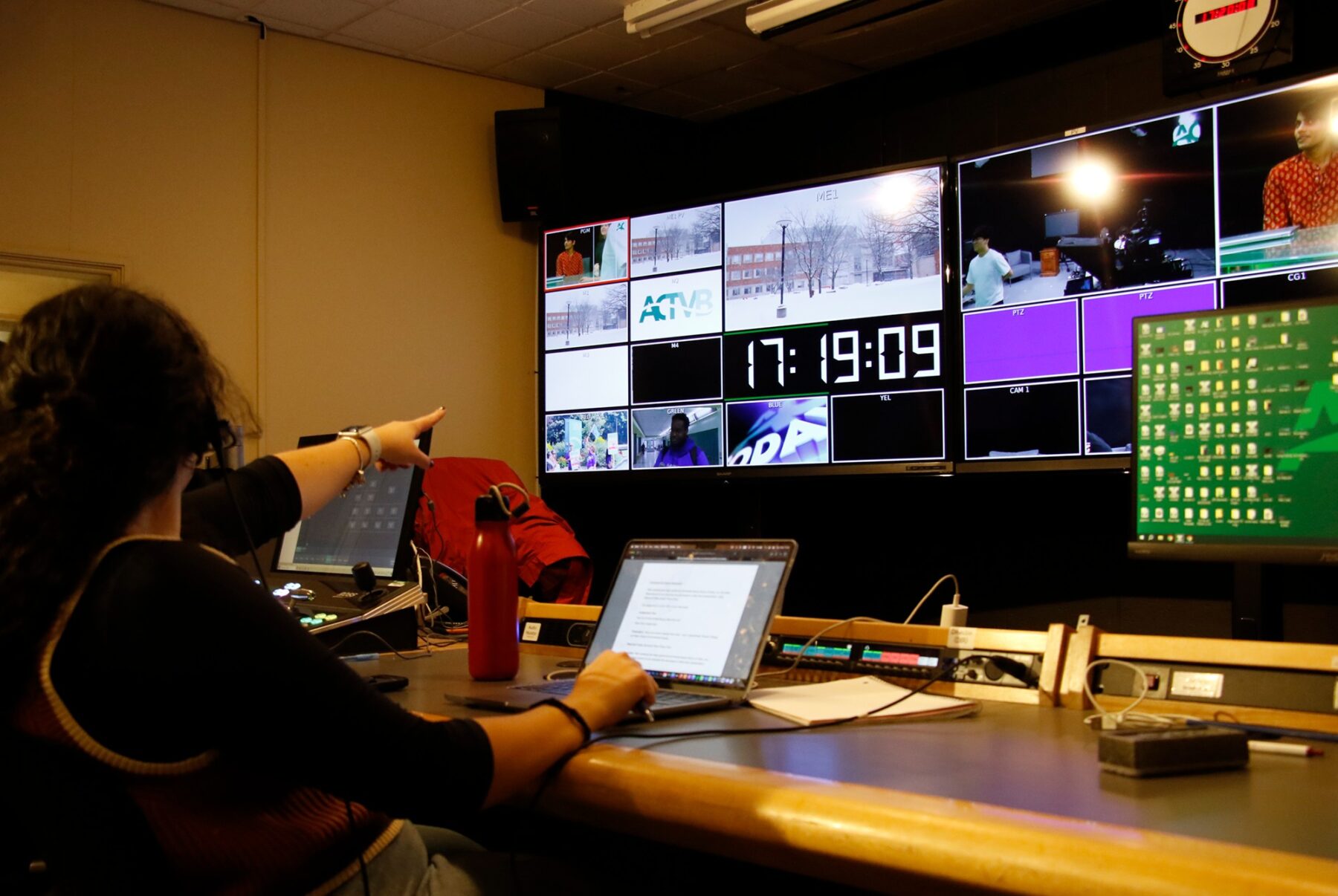
For Isabela Arbache, a great movie doesn’t need a huge budget, dozens of cast members or famous actors. In some cases, an award-winning film can be shot with just three iPhone 5 cameras, an $8 editing software and people who have a story to tell.
Arbache was referring to Tangerine, a 2015 film by Sean Baker, the Oscar-winning director of Anora. The movie followed a prostitute’s mission to confront her cheating pimp-boyfriend and won 24 awards, all without studio equipment, millions of dollars or AI.
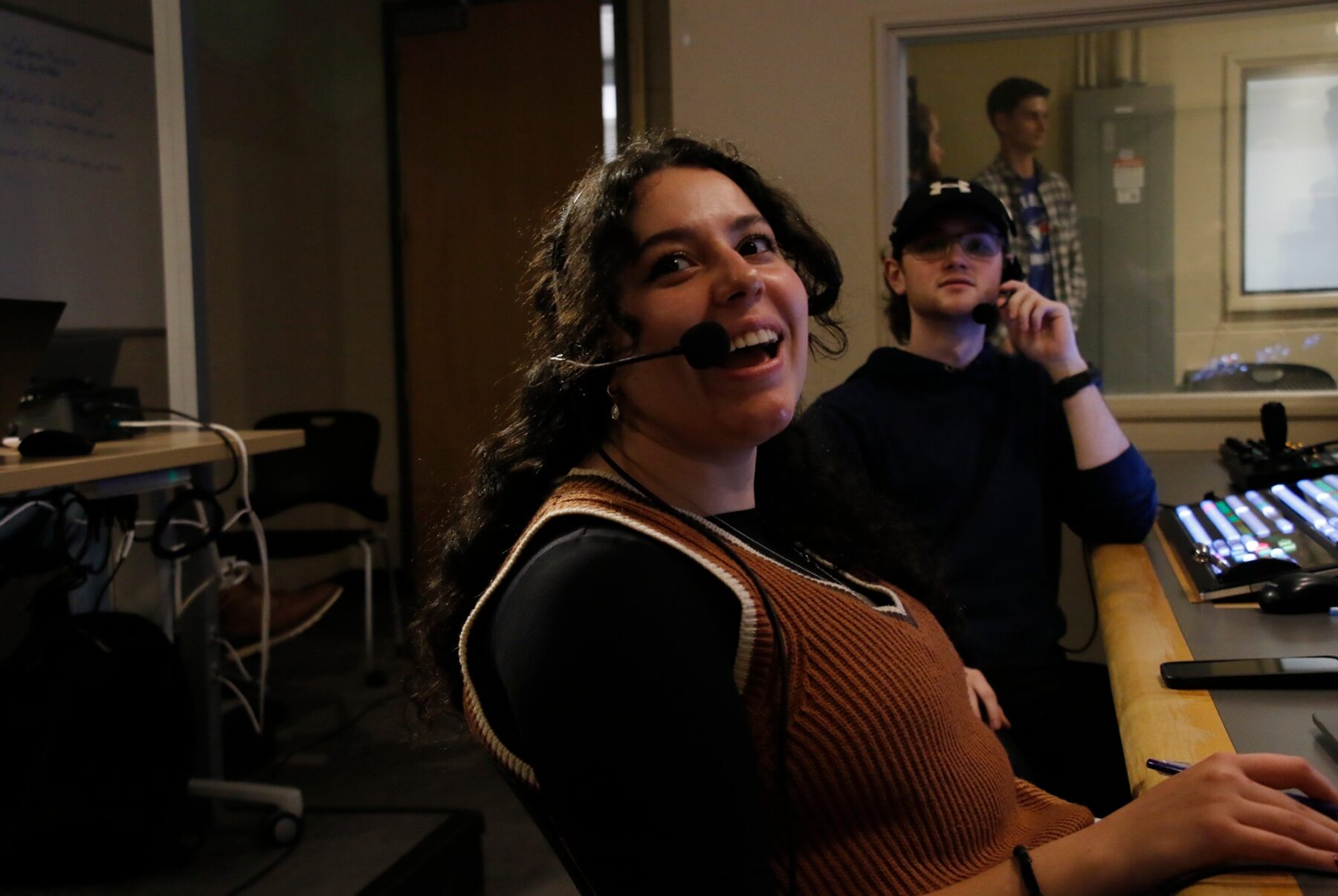
“The actors weren’t even graduated actors,” Arbache said. “They were trans women who used to work in prostitution. The whole concept of the movie was to enlighten people.”
Tangerine’s allure came from its gritty reality, a human story told and portrayed by people who lived that life.
But what about stories that aren’t told by real writers or human actors?
Tilly Norwood, an AI actress developed by Xiocia, is at the forefront of new media that isn’t produced by or featuring real people.
Eline Van der Velden created Xiocia, an AI production company, with the intention of building a talent agency representing over 40 distinct AI personas. Tilly Norwood is just the first to be introduced.
Van der Velden plans to debut her stars across film, video games, YouTube, brand deals and social media.
“We believe the next generation of cultural icons will be synthetic – stars that never tire, never age and can interact with fans,” Van der Veldon said in an article by Deadline.
So far, Tilly Norwood has only been featured in a YouTube sketch video that Van der Veldon created with ChatGPT and generated actors.
The sketch video promoted a media future run by AI, claiming AI to be a better writer, budgeter and performer than real people.
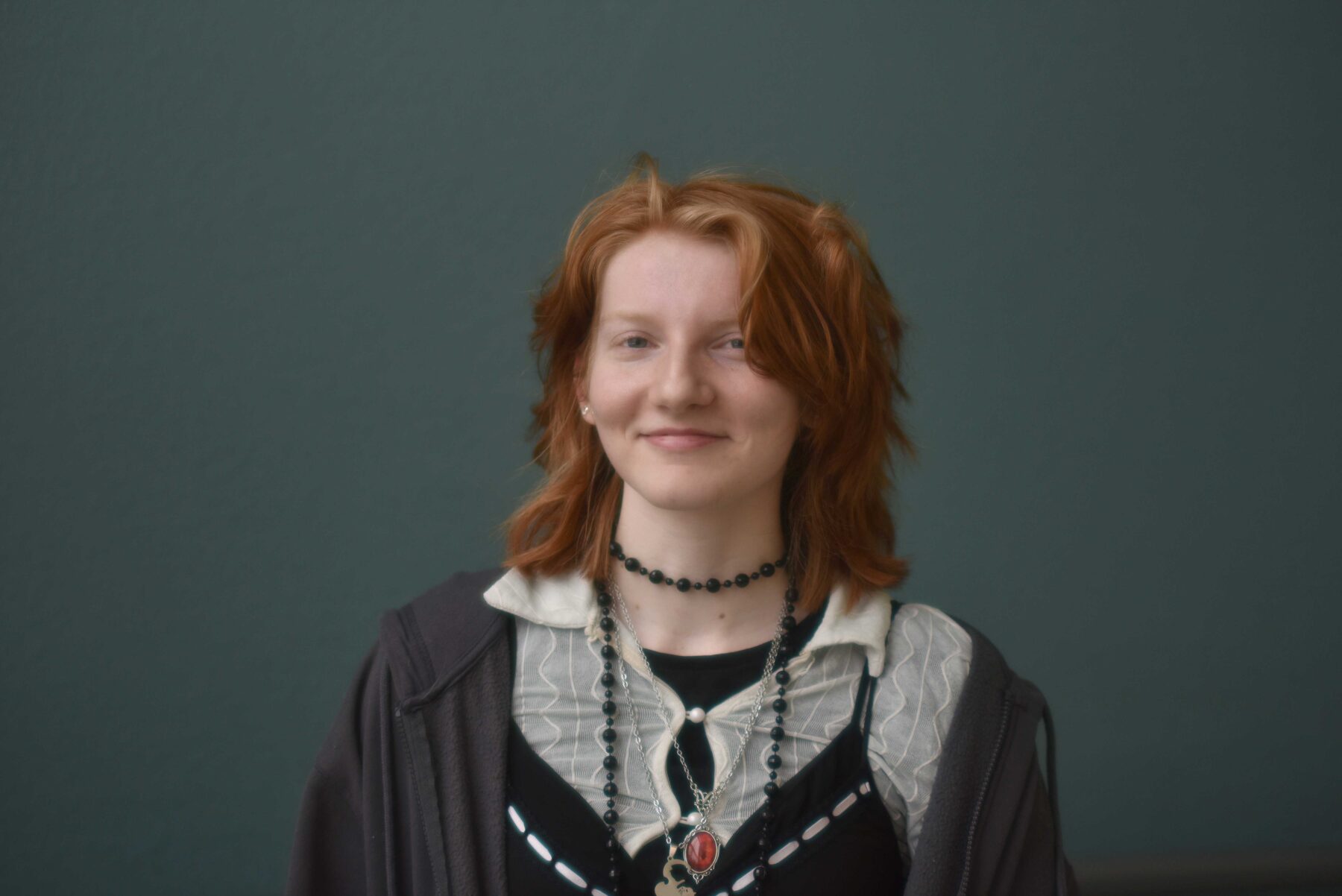
Arbache, a student in the broadcasting television and streaming video program at Algonquin College, disagreed.
“Absolutely not. I don’t think anything could beat a human being’s mind,” Arbache asserted.
Arbache’s classmate, Alice Martin, abhorrently shared the same sentiment. They believe some people turn to AI due to a lack of confidence in their own skills. However, to Martin, art doesn’t need to be perfect to have value; it just needs to be human.
“I’d rather have a variety of people from different skill levels and read through that than anything that AI generates,” Martin said. “It takes sources from everywhere, and it makes the most derivative slop because it generates to the most common denominator.”
Although AI attempts to appeal to the majority, it can inadvertently erase diversity.
“AI is very homogenized, and a lot of big media focuses on white people; white, cis, guys and women,” they said. “They’re going to prioritize depicting more white people rather than people of colour (and) queer people because they’re not as often depicted.”
Not only does Martin fear the burial of marginalized perspectives, but they are also concerned about how Xiocia sources the material to train Norwood.
Since Norwood has no life experience or emotion to inspire her work, she was developed through the performances and likeness of real actors, without their consent.
“They’re literally scraping from their hard work and then using their hard work to replace them,” Martin said.
The Screen Actors Guild and American Federation of Television and Radio Artists (SAG-AFTA), the union representing actors in the United States, refuses to acknowledge Norwood as an actress for this reason.
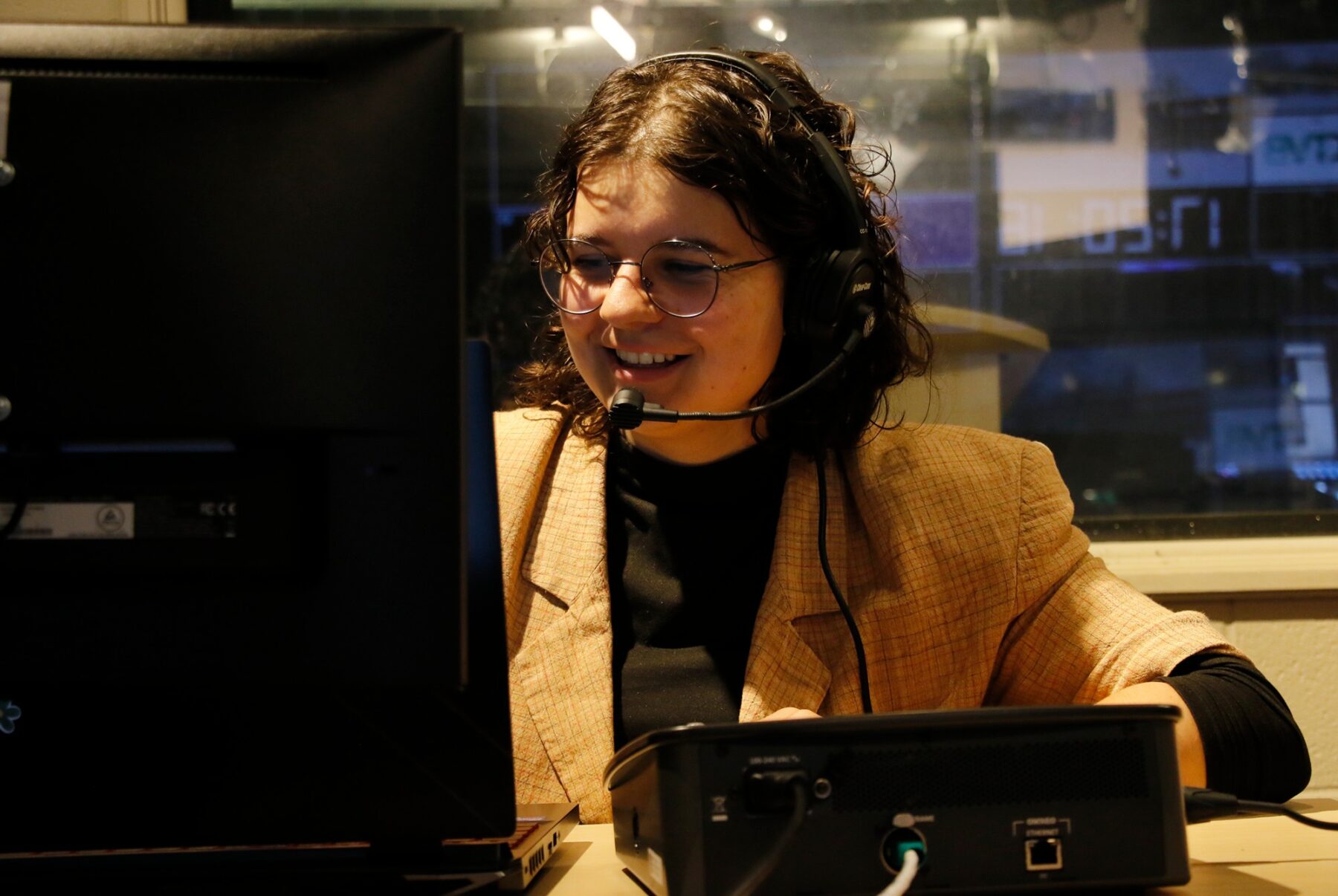
“If you’re an actor, your body is like your work tool,” Arbache said.
“You are giving literally your soul, your blood, to your work. To grab that and enrich something that will take your job away from you; it’s absolutely madness to me.”
However, consent is not just a concern for actors. It also poses questions on what AI can be prompted to do without any objections.
Van der Veldon’s skit, written and spoken by the video’s programmed characters, foreshadowed the flaws of an entertainment industry that lacks a human touch.
“It (the AI movie promoted in the skit) cast and budgeted itself. Only bit it struggled with was consent in romantic scenes,” an AI character said in the sketch. “We just ignored that.”
Another character impersonating Norwood’s programmer added to this sentiment. “She’ll do anything I say,” he laughed. “I’m already in love.”
With Norwood at the whim of each prompt she’s given, opportunities to exploit her image and likeness are all too easy.
AI has already been used online to create deepfakes, or doctored images of users, often editing women’s photos to make them appear naked.
Arbache said that her friend had experienced this online as people used AI to remove her bathing suit from photos she had posted.
“Everything that goes into the internet, it’s not like it’s going away,” Arbache said. “So you have a full-body nude of yourself somewhere on the internet that you didn’t even consent to.”
Although Norwood isn’t a real person, the impact of having an easily exploitable tool in the image of a woman can convey dangerous messages to human audiences.
Unlike real women, Norwood doesn’t have the insight or autonomy to refuse roles or portrayals that actresses and intimacy coordinators would instinctively know are inappropriate.
However, replacing people working in media doesn’t just dilute the quality of the content out there, but can be discouraging to the students going into the field.
Alex Ramos, a classmate of Arbache and Martin, believes that art stems from humanity, and removing the human element from art endangers the field.
“Art is a social commentary,” he said. “I don’t see how AI can do that or why they should do that.”