Algonquin College celebrates diversity at 28th annual Celebration of Cultures
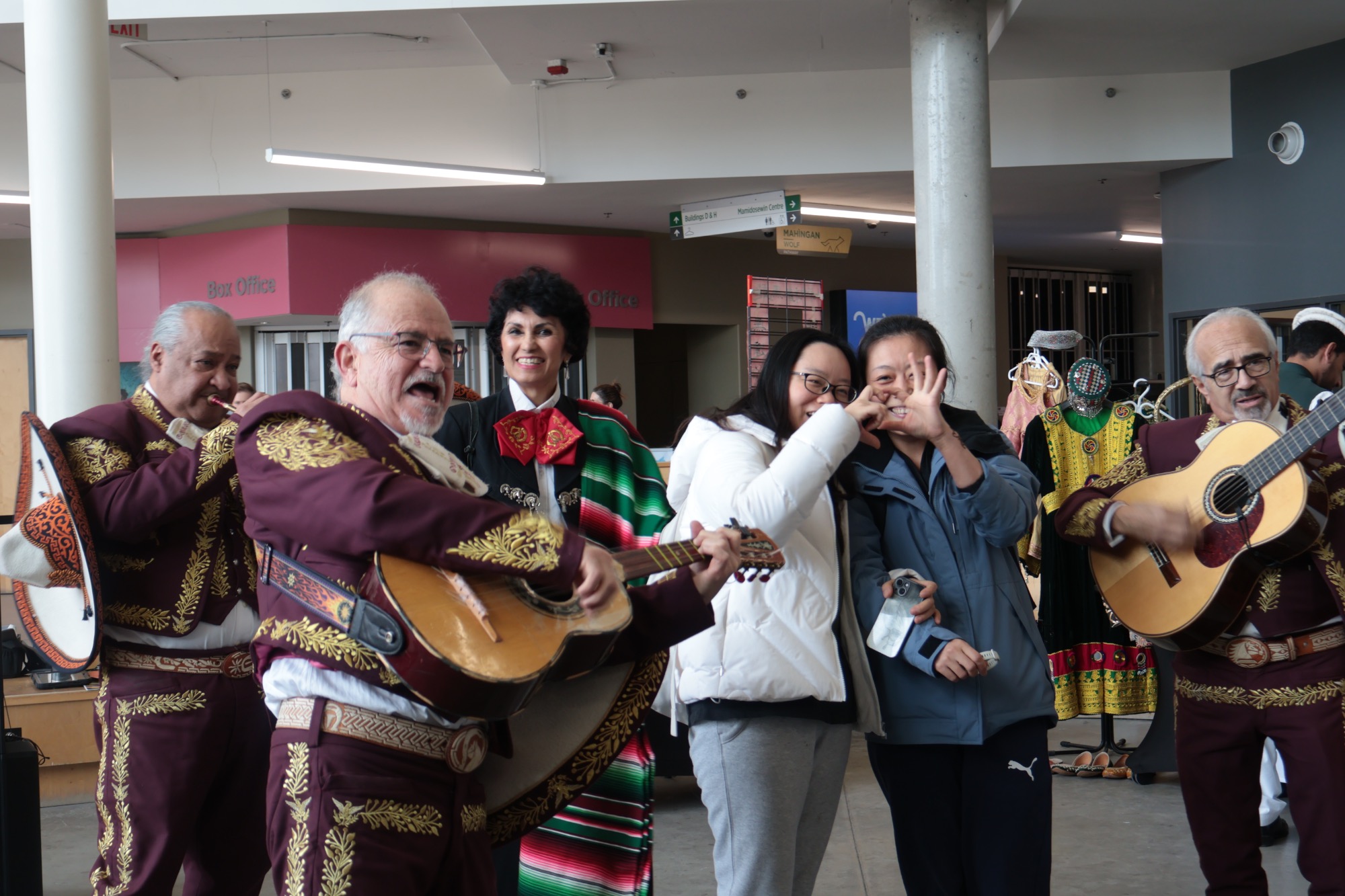
Algonquin College’s Student Commons transformed into a vibrant festival of music, dance and food on April 2 during the 28th annual Celebration of Cultures.
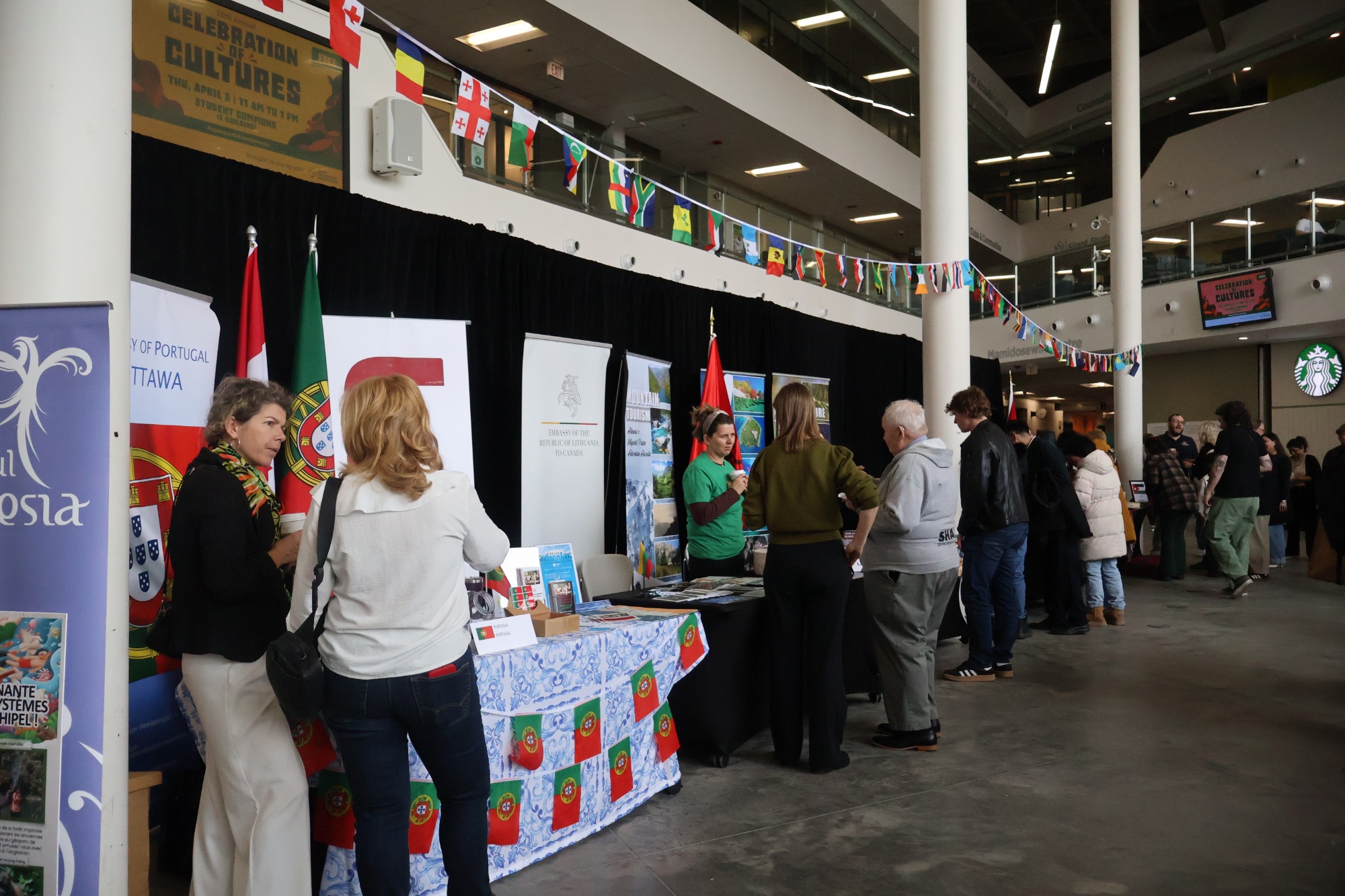
Students explored the multicultural community that makes up the college, learning about the traditions, heritage and customs of people from across the globe.
This year’s event featured cultural tables from 16 countries, including South Africa, Colombia, Peru, Panama, Mexico, Mongolia, the Philippines, Malaysia, Jordan, Kazakhstan, China, Albania, Lithuania, Portugal, Indonesia and Pakistan.
“This is a celebration of our multicultural community,” said Ilana Goldfarb from the Students’ Association, explaining that students from many countries come together to share their traditions.
She added that the event gives attendees the chance to learn about cultures represented on campus, as well as others they may not encounter every day.
“They have information about their destinations, cultural artifacts and food for them to enjoy,” she said, highlighting how the festival creates space for students to explore global perspectives in an engaging way.
Reflecting on the 28th edition of the festival, Goldfarb noted how meaningful this year felt.
“This year, I think we have a lot of participation. We have the most amount of groups that we’ve had, so a lot of countries wanting to participate,” she said.
With recent declines in international student admissions, she emphasized the importance of recognizing and uplifting the cultures present on campus.
“It’s nice, to celebrate the cultures that are here and make them feel special,” she said.
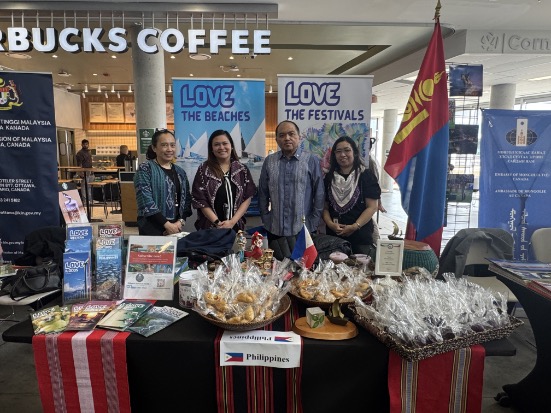
Among the many cultural booths, the Philippines stood out with a vibrant display and a selection of traditional dishes. José Víctor V. Chan-Gonzaga, ambassador at the Embassy of the Republic of the Philippines in Canada, introduced the country to students.
One of the key messages the ambassador wanted to share was the importance of Filipino cuisine, which he noted is still not widely known in Canada.
“Unless you grow up knowing a Filipino friend or a Filipino classmate in school, Filipino food is not, unfortunately, as popular as, for example, Mexican or Japanese food,” he said.
The Filipino booth featured beef and chicken empanaditas, a dish many are familiar with. However, Chan-Gonzaga said theirs were uniquely Philippine, along with the ube mini cupcakes made from the root crop purple yam.
For Chan-Gonzaga, participating in the event was about more than food.
“Two things, one is again related to our efforts to promote Philippine culture, Philippine food, etc. But I think also it’s really our realization that it’s also important for us to connect with younger Canadians, with students, with the youth,” he said.
Public relations student Clarence Charron attended the event with a clear purpose.
“I’m determined to find my friends’ jobs as locally engaged staffers at the embassies in Ottawa,” he said. “We’re public relations students. We do communications, event planning. We’re looking for internships and this seemed like a wonderful opportunity to get to meet a lot of people who are doing the jobs that we want to do.”
Charron said he especially enjoyed speaking with embassy staff.
“Talking to locally engaged staffers has been really fun. The diplomats have also been wonderful,” he said, adding that he had been asking each booth about their upcoming events.
For him, events like this are important for students.
“Algonquin has a large international student population, so anything cross-cultural or multicultural that showcases the diversity in such a wonderful way of all the cultures that are on campus is just great for making friends and making connections,” Charron said.
Jolanda Kocobashi, representing Albania, described her country as an emerging tourist destination with high mountains and beautiful beaches.
She said there are still many basic things people don’t know about Albania.
“Because Albania is a very small country, a lot of people don’t even know where it’s located,” she said.
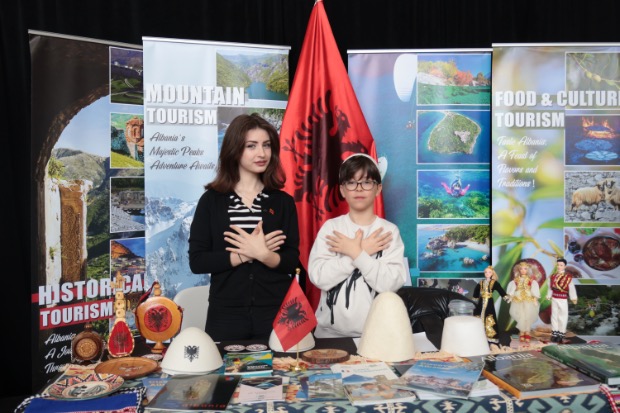
At the booth, she showcased “touristic attractions, traditional outfits, costumes,” including “Lahuta, which is a musical instrument under UNESCO.”
Participating matters to her because “I think it’s a good opportunity to make Albania known in the global aspect,” she said.
As students continued moving through the displays, Goldfarb reflected on what she hoped the event would leave them with.
“I think a sense of understanding of other cultures,” she said. “I’m hoping students come through, have conversations, and come away with a deeper understanding of different countries around the world and their cultural representation.”