Higher gas prices strain Algonquin College students’ finances and social lives
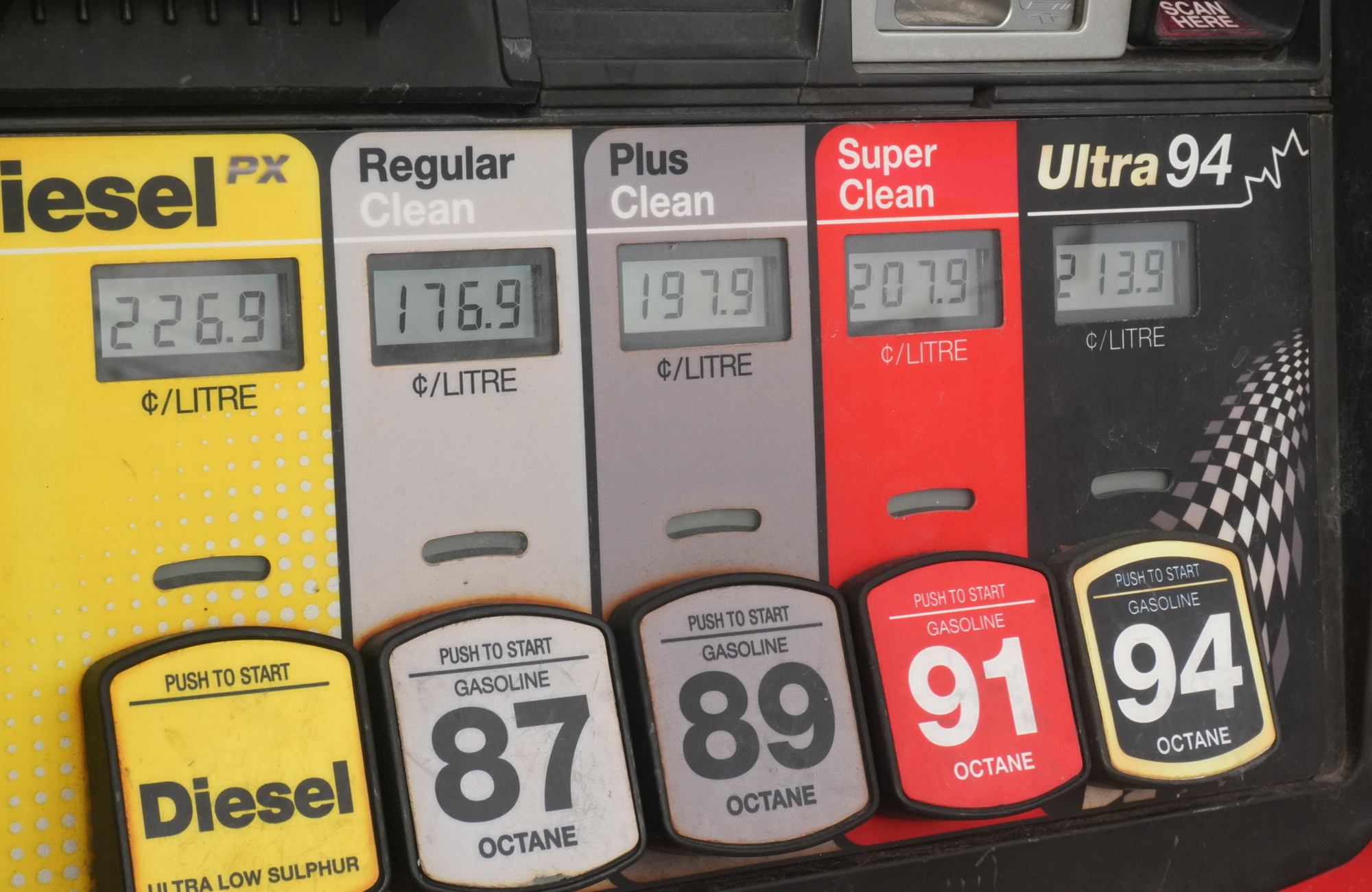
Rising gas prices are forcing Algonquin College students to adjust their budgets and lifestyles, and the financial strain is taking a toll on their social lives.
Gas prices in Ottawa have jumped more than 45 cents per litre since late February, climbing from about $1.35 per litre on March 1 and to $1.82 on April 1. The increase reflects rising global oil prices during ongoing geopolitical tensions causing oil supply disruptions in the Middle East.
Gas prices could continue going up in the next few months. Experts say that if the conflict continues, oil will stay expensive, which means higher prices at the pump. Prices may also continue to rise because gas stations switch to a more expensive summer fuel which usually costs more to produce.
For students juggling school, work and commuting, the impact is immediate. Many are reconsidering how often and how far they travel as fuel costs rise.
According to a recent survey by Canada Pulse Insights, 91 per cent of Canadians say rising gas and oil prices are affecting their household finances, with 69 per cent reporting a moderate to major impact.
As a result, students say they are cutting back on non-essential trips and adjusting their daily routines to manage costs. Some students are seeking cheaper gas, making trips to specific stations, like Costco, to save a few cents per litre.
“I’ve been waiting till late at night to get gas… looking up online what the cheapest gas prices are, which I have not done before,” said Ava Dajada, a Level 4 respiratory therapy student.
Others are combining transportation methods to reduce costs.
“I’ve been leaving my car halfway through my way here and taking the bus so I can have a 30-minute bus ride and still save time and gas,” said David Altamar, a Level 2 police foundations student.
However, public transportation is not an option for some students.
“Buses actually don’t come out to my area. I can’t (bus) even if I wanted to,” said Dakota Swire, who is also in Level 4 respiratory therapy.
As expenses rise, students say their social lives are shrinking.
“We don’t go out too much anymore because (of) all the prices of everything now,” said Chance Lorander, a Level 2 police foundations student.
Amelia Campbell, a Level 4 respiratory therapy student, agrees.
“It makes me not want to go out anymore, ’cause I don’t want to drive around and have to pay an arm and a leg just to drive down the street,” said Campbell.
Students are finding compromises.
“Me and my friends try to meet in the middle just so one of us is not having to drive super far one way,” said Dajada.
To keep up with rising costs, many students are working more or budgeting carefully.
“I’ve made a budget on how much to spend on groceries and my car and kind of prioritizing that as opposed to other things,” said Lara Waldron, a Level 2 veterinary technician student.
Many students say the rising cost of living is making education feel increasingly out of reach, some programs having extreme additional costs.
“There’s a lot of extra fees like stethoscopes…parking and gas…there’s a lot of added expenses for our program,” Dajada said.
Some students have also had to make major lifestyle changes.
“I had to get rid of my apartment and move in with friends,” said Brandon Ross, a Level 4 police foundations student.
Rising transportation costs may also affect academic success. Research published by Taylor & Francis Online found that a $1 increase in gasoline prices per gallon is associated with a 0.918 percentage point decrease in community college student retention rates.
With inflation driving up the cost of gas, food and education, students are forced to make difficult choices — cutting back on social activities, working more and rethinking how they get to school.
“I don’t think being a person in general is affordable, let alone affordable for students,” said Nolan Tarantino, a Level 4 police foundations student.