Film students use final projects as industry stepping stones
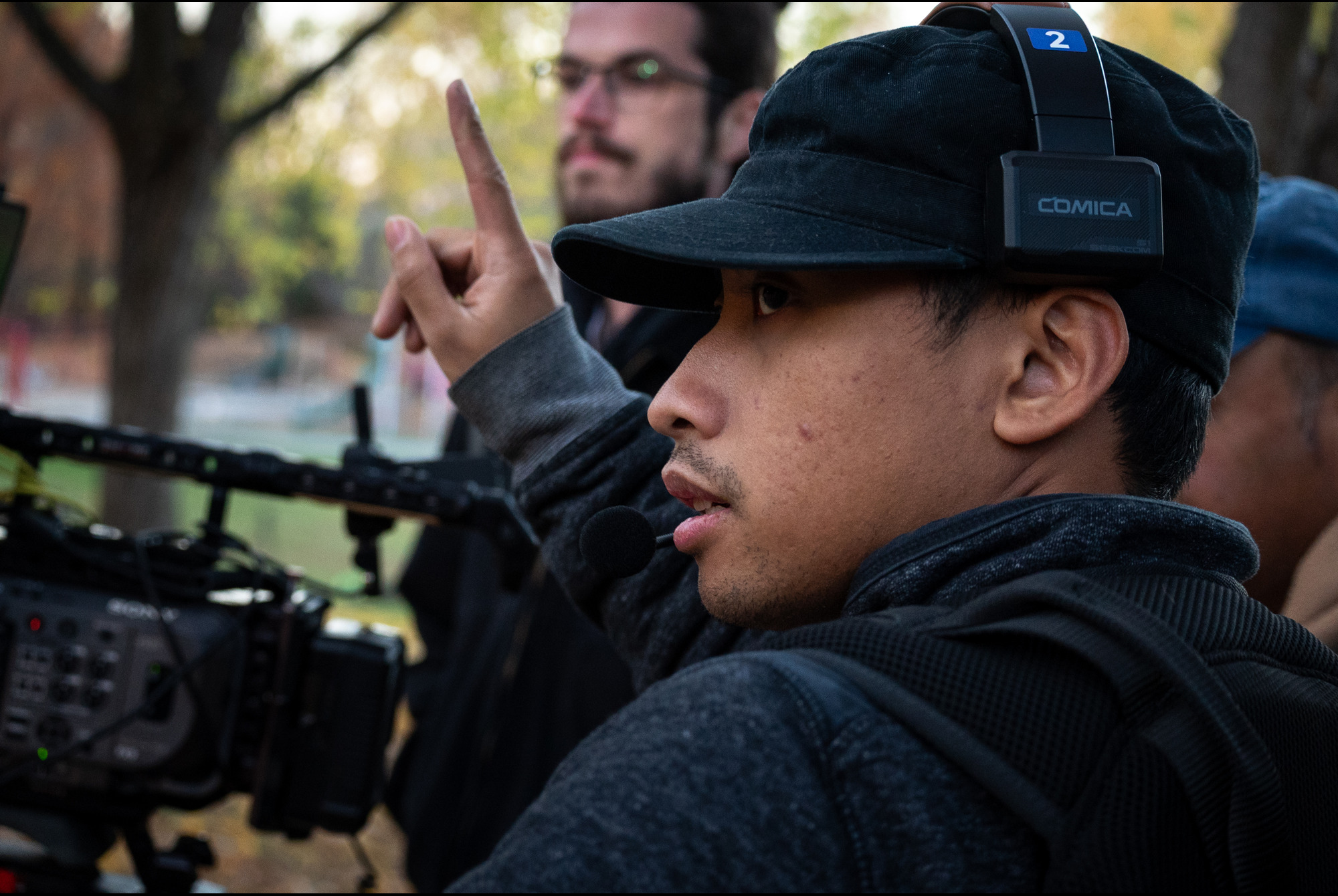
For Algonquin College’s Level 3 film and media production students, creating a short film is more than a final project. It is an opportunity to gain hands-on industry experience and develop their professional skills.
The final project of the program brings students together into full-scale production teams, with each student given their own role to play in the making of the film while having creative freedom over the content.
The films range from horror to comedy to drama, allowing students to showcase their abilities in portfolios and view their films at the Algonquin College Film Gala in the Student Commons. It will be scheduled for to-be-determined day in December.
Joseph “JJ” Gillanders, professor and coordinator of Algonquin College’s film and media production program, said the project represents the skills students have developed throughout the program.
“The thesis film is a culmination of their entire year’s work,” said Gillanders. “They work across three semesters to gain the knowledge and skills that’ll get them to the point where they can successfully prep, shoot and post (edit) and deliver a 12-minute short film.”
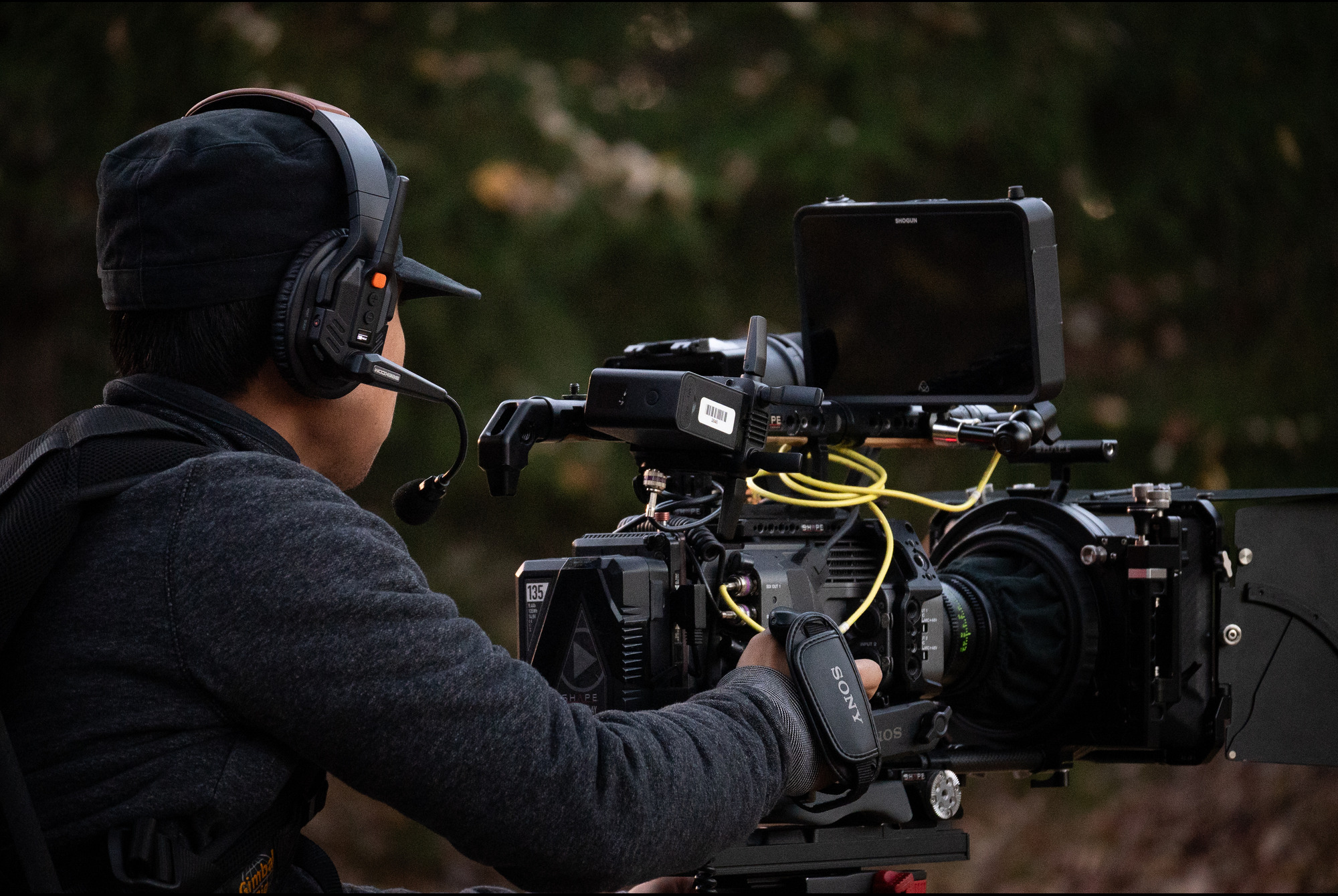
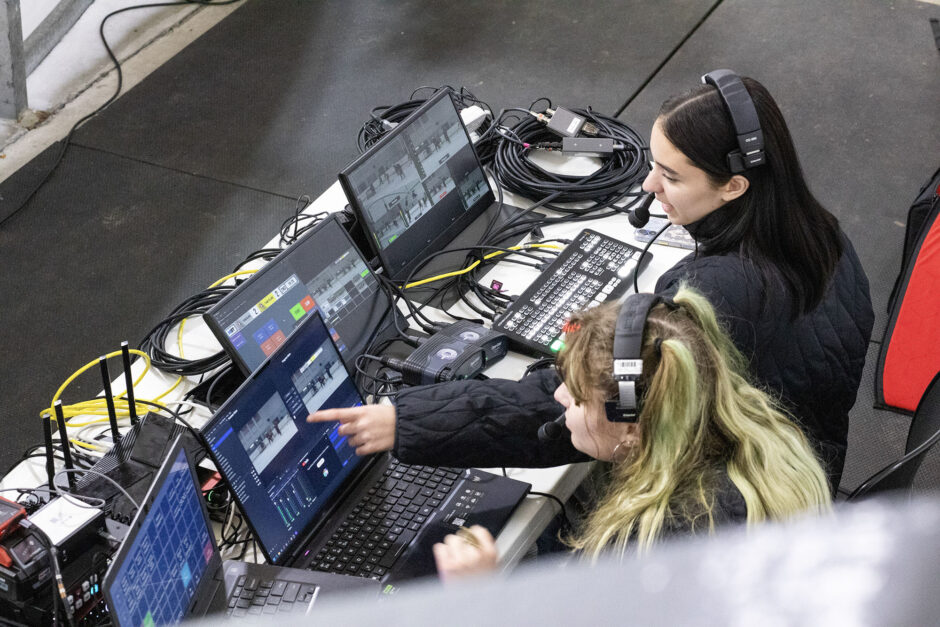
Students took on various production roles including directing, cinematography, sound mixing, editing, assistant directing, wardrobe and set decoration. They experience the responsibilities and challenges that can come with working on a professional film set.
For director Vince Darias, the project was an opportunity to tell a story inspired by personal experiences.
“Inspired by the stuff I noticed within my family or relatives or like my other friends,” said Darias.
His film explores the importance of appreciating loved ones before it is too late.
Darias said bringing the story to life required coordination across a large crew of around 30 people on some days during production.
“I haven’t directed anything that much in the past … so to have a huge crew it was very stressful,” said Darias, adding that teamwork was essential to managing the production.
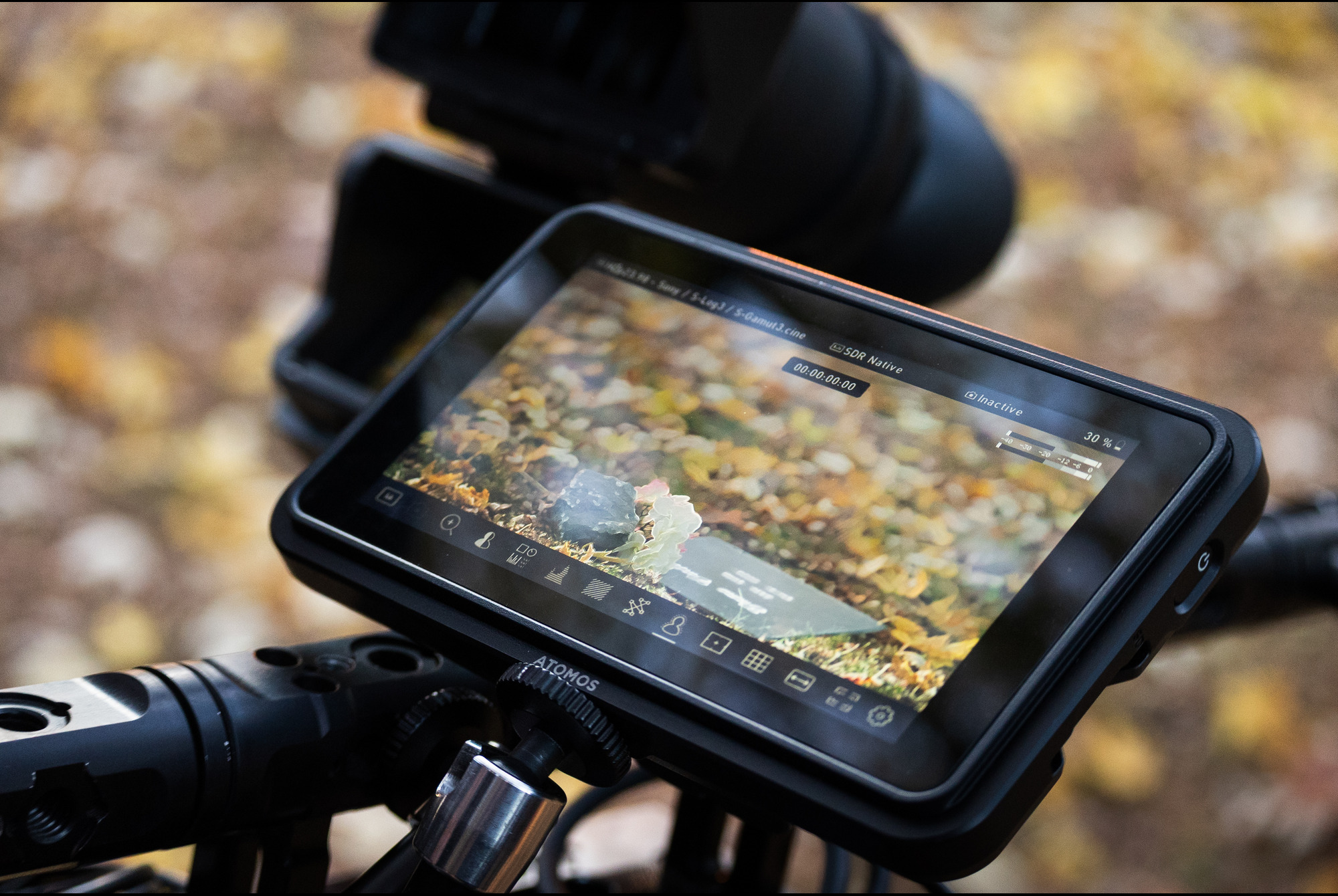
Behind the scenes, students faced challenges involving time, equipment and communication.
Tristan Yelle, director of photography for another film, said his responsibilities included coordinating huge amounts of equipment and translating the creative vision into the film’s visual style.
“I ended up with I think more than 130 somewhat individual pieces that I had to rent out under my name,” said Yelle.
According to Yelle, production on their set also required long filming days with the crew shooting across three days at different locations including a house, a forest and campus.
Assistant director for that film, Thadine Sutherland, said navigating a crew full of classmates-turned-colleagues had its own learning curve.
“Most of the challenges lied with working in a group that I’d never worked with before, kind of just were classmates before this project,” she said.
Despite the challenges, students said the experience helped them better understand the realities of working in the industry and the importance of collaboration.
Gillanders said students are expected to meet professional standards.
“I hold them to the same standards that all film festivals hold their short films to,” said Gillanders.
He added that the experience prepares students to enter the industry with practical skills and professional connections.
“When they leave this program not only do they have the skills to immediately enter into the field. They have a network of people that they have worked with on projects that allow them to make films … outside of the program.”
The project for students is not simply about completing a film but learning how to adapt, problem solve and work with others.
“If you’re just trying to remake the exact same thing then you’re not pushing yourself,” said Yelle.