Local organization brings LIFE to college, helping teach adults with intellectual disabilities
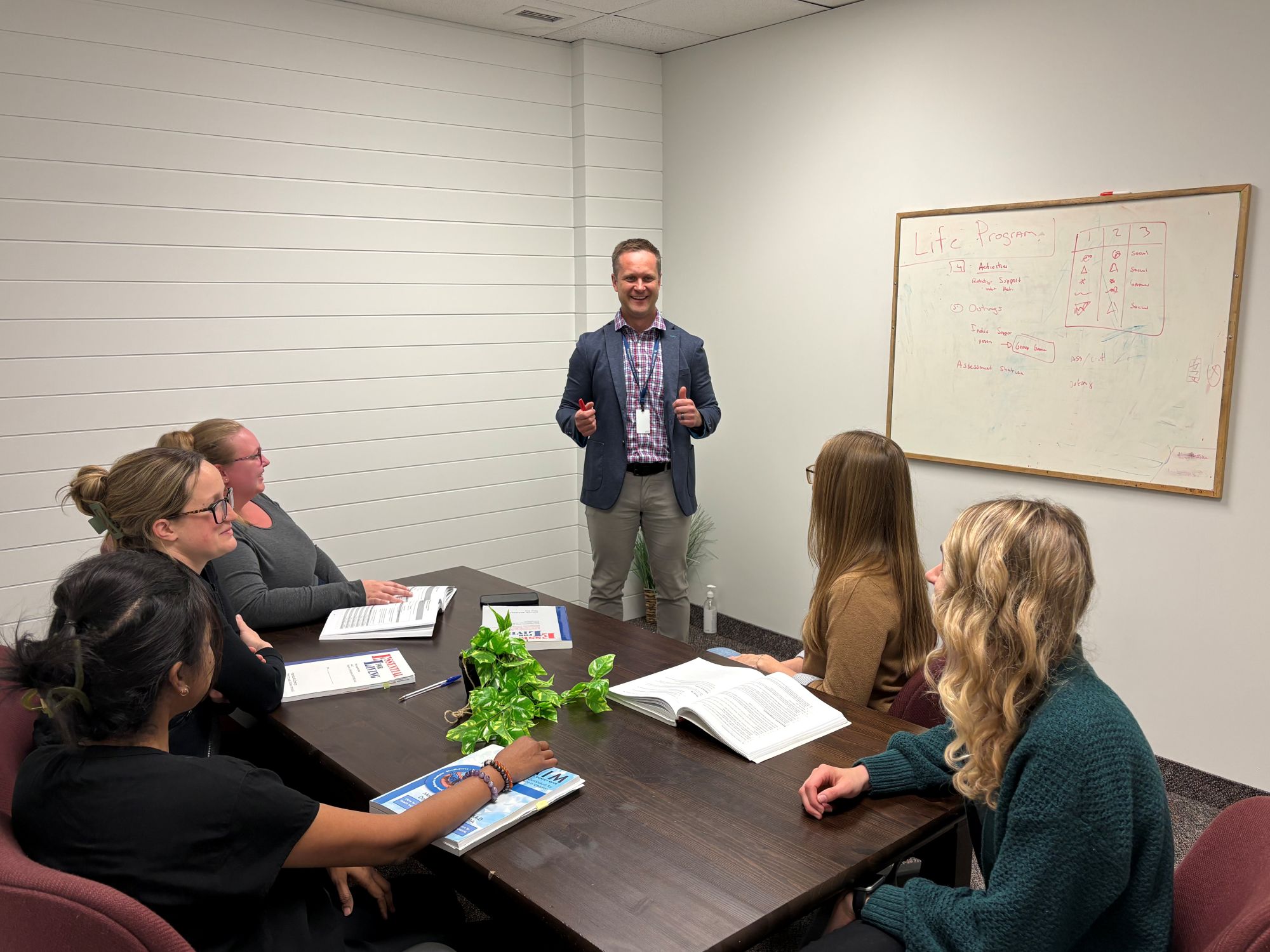
Matt Derkach, director of Horizons Behaviour Consulting, says when he first heard Algonquin College would be shuttering its academic assistance for adults with developmental disabilities (AAADD) program, his initial thought was to see how Horizons could help keep it open.
“But the more I looked into it and talked to members of the Algonquin team, and found out what was being taught, we came to the conclusion that maybe this is a program that we can actually run,” said Derkach.
Derkach emphasized how valuable the program was.
“We heard from a lot of community providers just how beneficial the program was, how there was a lot of inclusivity and how some of these adults with intellectual disabilities can go and interact with neurotypical adults. It was a really good atmosphere.
“Long story short, that’s kind of what led to us officially taking over the program,” he said.
In May 2025, Algonquin announced plans to cancel the AAADD program, saying in an email statement the decision was made in alignment with the Ministry of College and Universities, Research Excellence and Security to focus on “credentialed programs.” The AAADD program will wrap up in June 2026.
The move came alongside other program cuts. Since January 2025, 67 programs in total have been suspended or cancelled due to changes in federal immigration policy and a provincial tuition freeze in effect from 2018 to early 2026, the college said.
Horizons’ curriculum will enhance the AAADD program. As Derkach puts it, “we’re not completely reinventing the wheel, but we are hoping to add a little rubber to the wheel.”
The new Living, Independence, Functional Skills and Employment Readiness (LIFE) program, set to begin in fall 2026, will focus on supporting young adults with intellectual disabilities or autism in developing skills necessary to become more independent.
“We’re working really hard right now to create the curriculum…and we’re bringing a lot of expertise where we can teach a lot of these skills to help the individual to become more independent, with the potential of helping them gain meaningful employment,” said Derkach.
The program format will shift from 41 weeks — beginning the end of August and running through the end of June, with a maximum of four years enrolment — to a 37-week program beginning in September and ending in late May, with up to five years of enrolment.
Similar to the AAADD program, Horizons will teach skills such as functional math, functional literacy, social skills, daily living skills, health and wellness, employment readiness and job coaching.
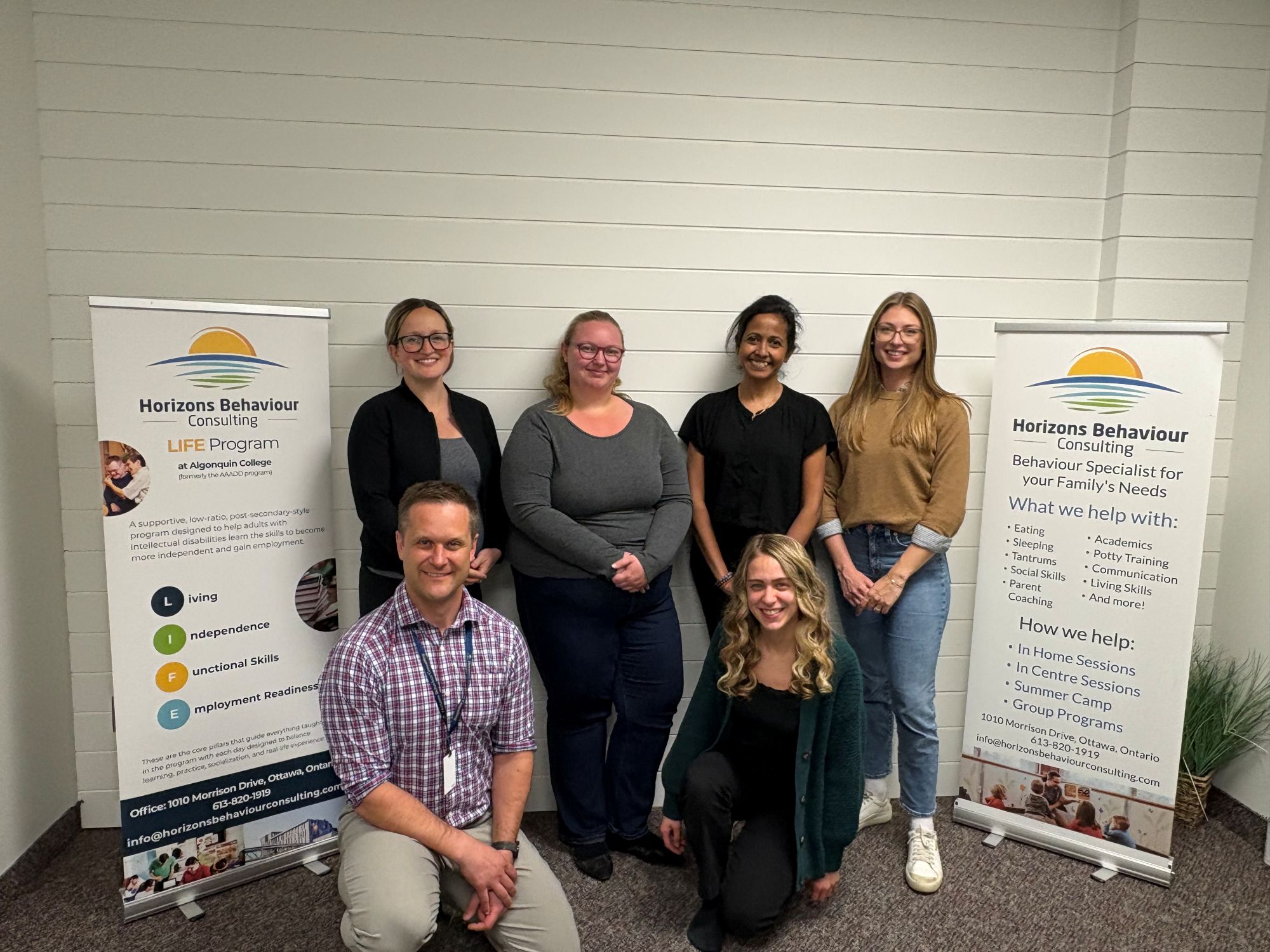
Derkach says one of the biggest changes Horizons hopes to accomplish is lowering the student-to-staff ratio to allow for more undivided instruction and support.
Currently, the AAADD program has a staff-to-student ratio of 1:12.
“We’re hoping to change that to a one-to-six ratio, just so we can really individualize the content that we’re teaching to the participants,” said Derkach.
One of Horizons’ goals is to teach life skills that many take for granted.
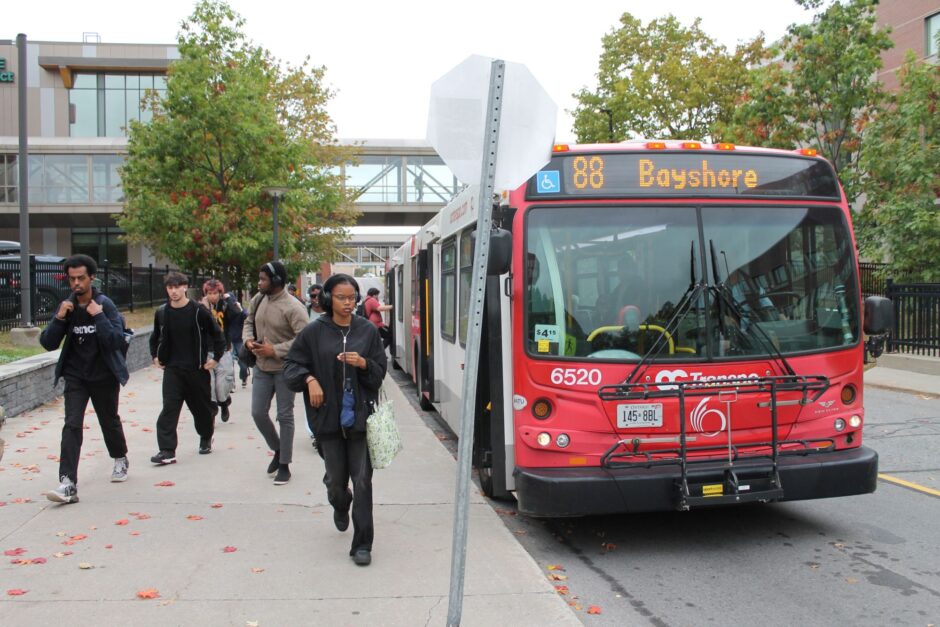
Derkach describes a curriculum based on real-world experiences such as taking the bus or grocery shopping.
The approach is scaffolded, layering in new experiences once a student has gained confidence in previous ones.
“Many people forget about all the skills that are needed to be really independent. We’re going to be teaching, initially, the participants how to successfully take the bus — how to take into account safety, when they get off and some problem solving,” said Derkach.
“And then they’re going to apply those skills. We’ll go on a community outing to take the bus to test them on those skills. And then the next community outing will be grocery shopping and we’re now incorporating those first skills, taking the bus, but this time it’s a little bit more,” he said.
However, with the increase in staff-to-student ratios and more community outings, program costs will rise.
Tuition costs for the AAADD’s last year were listed on the college’s website as $1,939.91 per term for fall 2025 and winter 2026, and $1,031.40 for spring 2025.
Horizons’ tuition will be $2,750.00 per term for the upcoming 2026-27 school year, while also running a spring semester at a cost of $1,375.00.
Because neither the AAADD nor the LIFE program is accredited by the Ministry of College and Universities, Research Excellence and Security, students are not eligible for OSAP or other government student loan or bursary programs.
Instead, many families finance the program using Ontario Passport funding, a reimbursement program which provides up to $5,500 per year. Adults with developmental disabilities can use the funds in a variety of ways, including for programs such as LIFE.
However, government funding for programs which support individuals with intellectual or developmental disabilities has not kept up with the cost of living. The Financial Accountability Office of Ontario’s 2024 report forecasted that “most new Passport recipients will not receive their full funding allocation amount based on their assessed need,” citing an ongoing trend beginning 2018 when “MCCSS (Ministry of Children, Community and Social Services) began providing all eligible adults with the minimum direct amount of Passport funding.”
Derkach says Horizons is aware of the extra burden on families to come up with the difference and is exploring partnerships with community organizations and individuals to help alleviate those costs, and aid the program in general.
“It’s a challenging program to be affordable, and I want to see if we can get community organizations involved to support the program, whether it’s through sponsorship, or creating those opportunities where the participants can use those skills at a specific workplace…or even cover the cost for a graduation party, where we’re celebrating the hard work that they did,” said Derkach.
Community educators and advocates were devastated when Algonquin cancelled the AAADD program.
Nicole Mitchell, a teacher in the Ottawa-Carleton District School Board’s (OCDSB) physical support program (PSP), said the announcement left many of the families she works with worried about their children’s futures after leaving the public school system.
“The program that Algonquin offered, I’ve had a number of students who ended up attending that program and it was wonderful for them,” she said.
“The loss of that program, when there’s so few out there, would be significant…and it’s really challenging for families.”
Statistics Canada reported in 2022 that more than one in four Canadians aged 15 or older has a learning, developmental or memory disability. The loss of programs like AAADD could leave many with limited continuing education options to help support their community involvement.
“Just because you have autism or a developmental disability or a physical disability doesn’t mean you don’t crave that connection outside your home,” said Mitchell.
“It’s great that Horizons is taking over the space. School opens up a lot of opportunities for our students.”