The cost of getting to class: Is campus parking affordable for students?
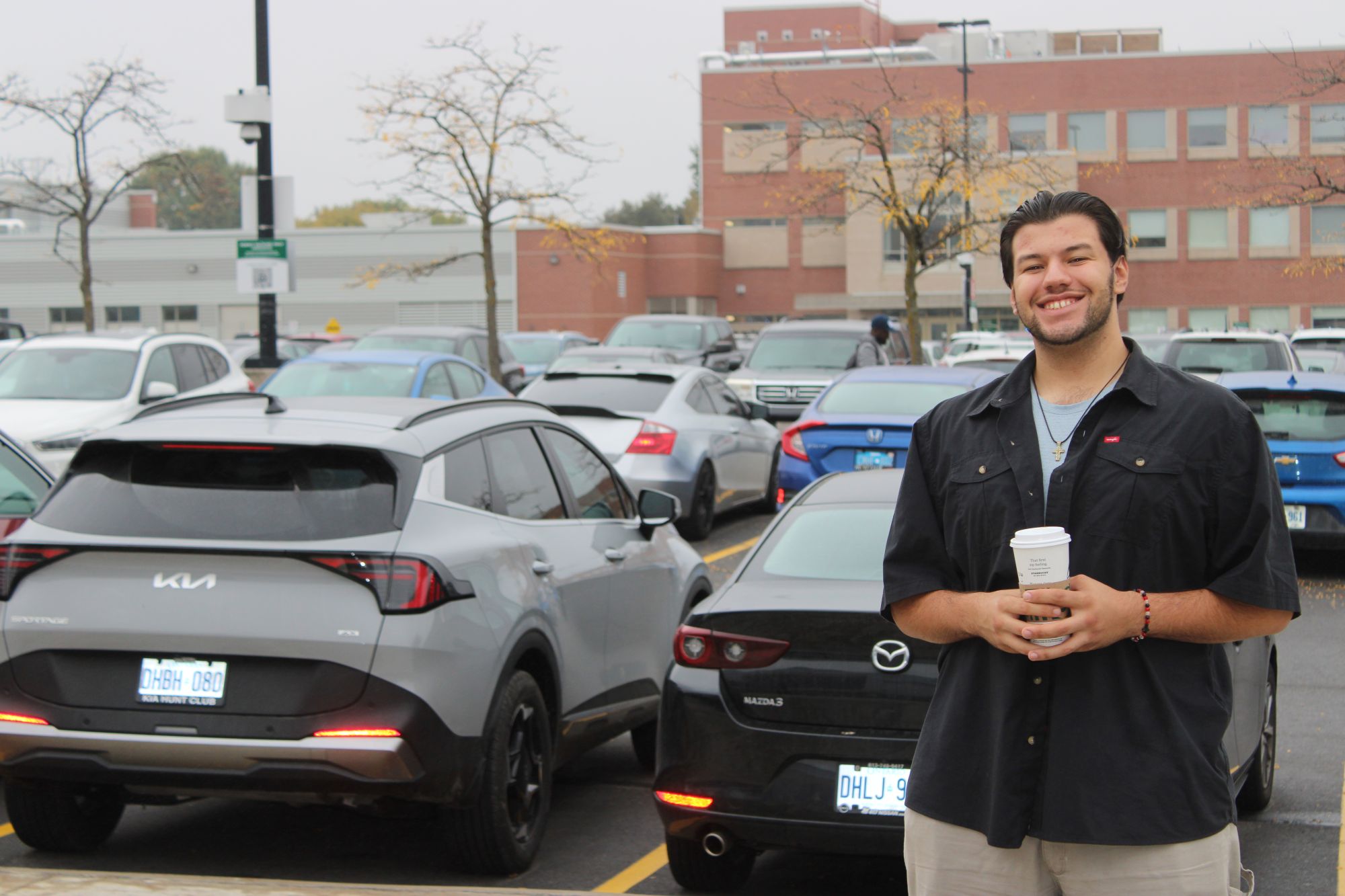
For some, getting to class comes with a hefty price tag.
“I park in Lot 9, which is at the furthest back. The walk from there to my class is anywhere between 15–20 minutes or longer, depending how many people are on campus,” Zizo Ketout, a mechanical engineering student, said.
But the time-consuming walk isn’t the only thing that takes a toll on students.
“The parking is over a thousand dollars for one semester. I pay around $1,400 for my parking pass in total, which is absolutely ridiculous,” Ketout said.
For students already balancing tuition, textbooks, groceries, housing and other everyday expenses, parking can become another high cost of attending college.
“Parking is not affordable at all. I pay over a thousand for the year just for there to never be enough parking. I think they should let us opt out of our bus fee, which they don’t,” said student Alyssa Lanoe.
The problem is not only the price. Algonquin’s 2026–27 parking permits are currently sold out, leaving students who rely on their vehicles to compete for limited parking or find alternatives.
For students with long commutes or schedules that make public transit difficult, driving can be less of a choice than a necessity.
Algonquin says parking is an ancillary service funded through parking revenue rather than government or tuition funding. Fees cover lot maintenance, snow removal, security and other operating costs.
In the 2023–24 Campus Services Annual Report posted on the Algonquin College website, the school reported $5.79 million in gross parking revenue, even as the college faces changes in enrollment and campus use.
Algonquin’s parking information also states that parking revenue is reinvested back into the institution.
The parking revenue helps offset costs at Algonquin at a time when Ontario colleges are facing financial pressure
Students, however, are focused on the immediate cost and difficulty of getting to class.
For now, students are circling lots, using nearby parking and relying on public transit.