Ottawa MPP calls for an OSAP audit amid college affordability concerns
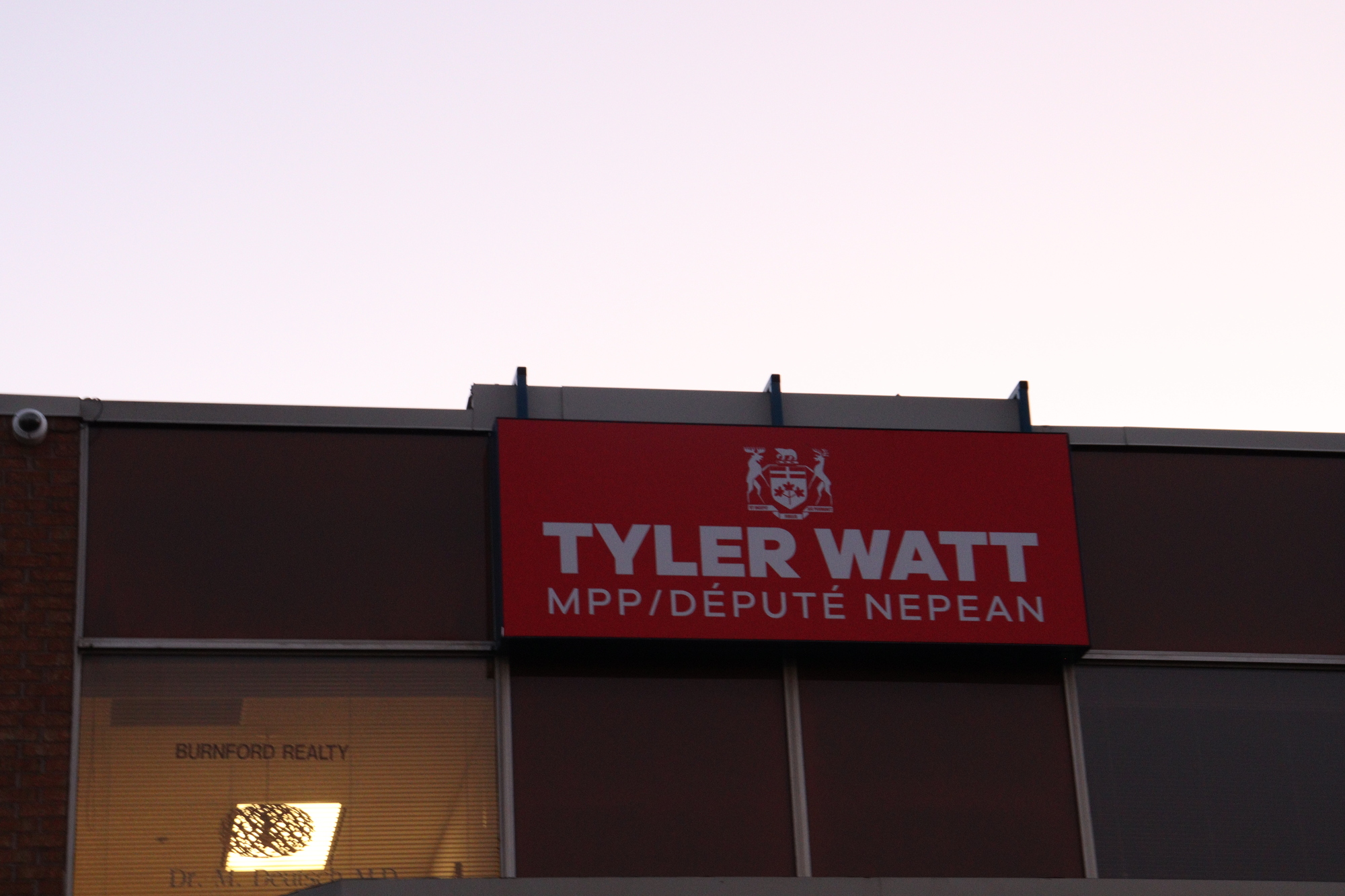
Algonquin College students are still feeling the OSAP pinch as an Ottawa Liberal MPP calls for an audit of some spending and the PC government asks the Ontario Provincial Police to investigate.
Nepean MPP Tyler Watt has called on the Ontario government to launch an independent value-for-money audit on rising Ontario Students Assistance Program (OSAP) spending at private career colleges.
Watt has written to auditor general Shelley Spence to request an independent value-for-money audit of OSAP spending at private career colleges going back to 2020-2021. This is after the court filings reported by The Canadian Press revealed that the government was warned by the sector about concerning activity in OSAP applications dating back to January 2023.
Reports have shown that there was a $465 million increase in how much Ontario spent on student grants between 2023-24 and 2024-25, with about 95 per cent going to students at private career colleges.
In January 2025, Career Colleges Ontario identified 10 schools where applications had grown by an average of 855 per cent over two years. There were also ministry inspection reports of OSAP-funded students not regularly attending classes.
“The government was warned about a small number of bad actors and sat on its hands for years. Then, instead of dealing with them, it took a hatchet to a problem that needed a scalpel, and made every student in Ontario pay,” said Watt.
On Feb. 12 of this year, the Ontario government announced major changes to the OSAP program.
Students now get a maximum of 25 per cent grants and a minimum of 75 per cent for loans, compared to the previous policy of 85 per cent for grants and 15 per cent for cent for loans. This leaves students having to pay back more money throughout their studies. The new policy ignited an uproar among students throughout the province, leading to protests, petitions and condemnations from student unions.
Algonquin College students struggle with cost of living, with OSAP being a critical resource for them to finish their program.
Ismail Echaoni, a first-year Algonquin College student, is one of many who wish the grant to loan ratio never changed.
“I have to work while I study in a compact HVAC program right now. I have around 10 classes and I still have to work to make ends meet,” said Echaoni.
“They should have stayed the way they were before, where students got proper funding to have a stress-free study environment.”
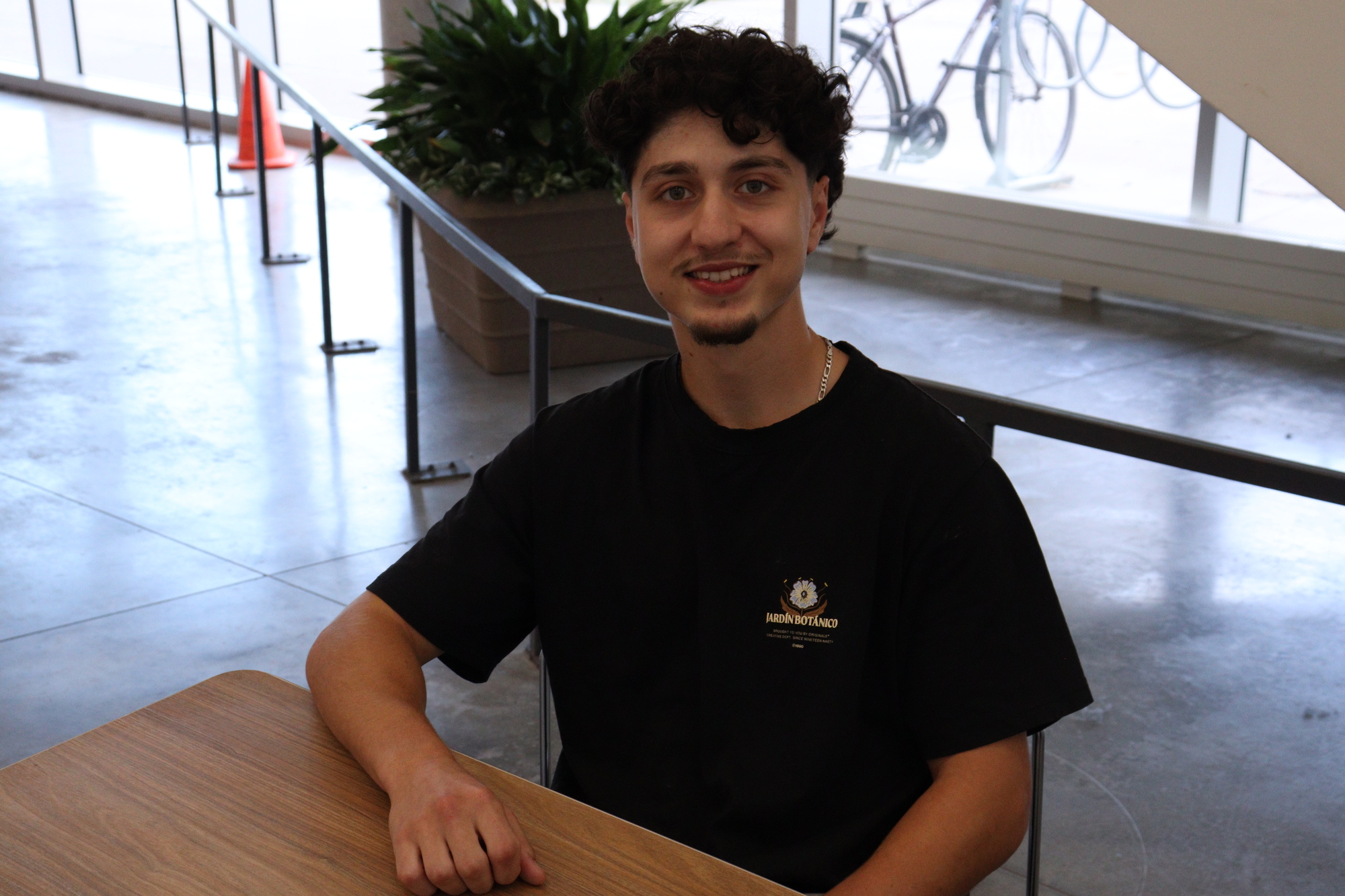
Olivia York, another Algonquin College student, worries about money constantly because of the OSAP cuts.
“A big part of it was that I need money for transportation to get to school,” said York. “I live about half an hour away and I probably pay $100 for an Uber daily from where I live because it is about $45 in the morning and about $50 at night. That’s a lot of money coming out of my account.”
York said that she has heard rumours about the misspending of OSAP and feels the government should do a better job at investigating.

“Maybe they can have a flagging system where they think, ‘Oh this is where the money is going, or blah, blah, blah’ and they look into it further and more close-up,” said York. “It seems like there was a few issues with OSAP and they just decided to punish everyone instead of investigating it more.”

Angus Sutherland, a computer programming student at Algonquin College, is fortunate enough to get most of his tuition covered by student loans. However, Sutherland found his OSAP approval took an extended amount of time.
“I originally finished submitting the documentation in mid-August. There was something about the documents that they were just sitting there for four and a half weeks, and I basically did not hear anything from them until late September,” said Sutherland.
The OPP has confirmed that referrals from the Ontario government about OSAP are currently under review. Nolan Quinn, Ontario’s minister of colleges, universities, research excellence and security, has ordered a pause to OSAP payments associated with private post-secondary institutions during an audit from third-party KPMG. Private post-secondary institutions will have to meet stricter criteria before they are eligible to gain OSAP funding in the future.