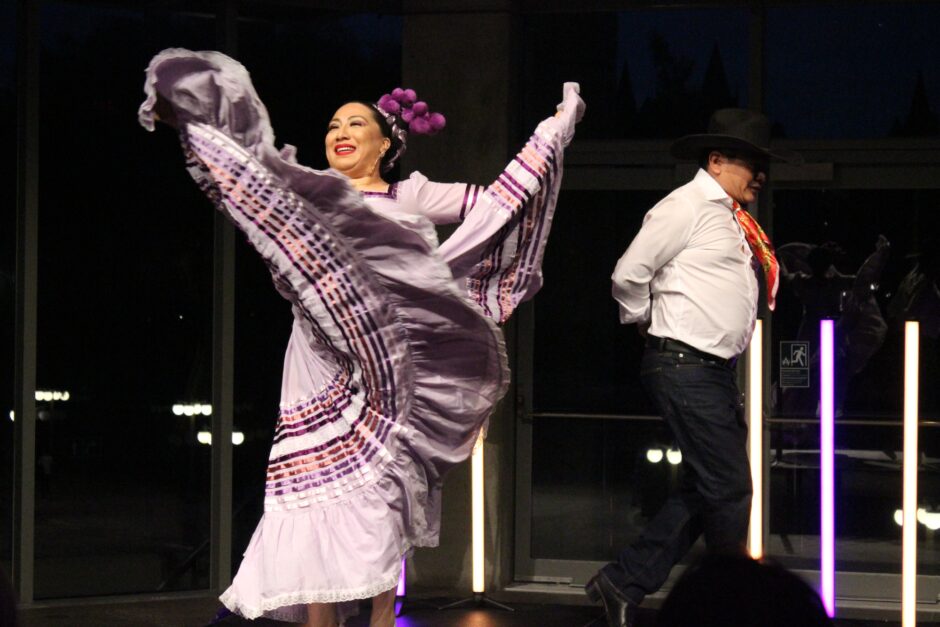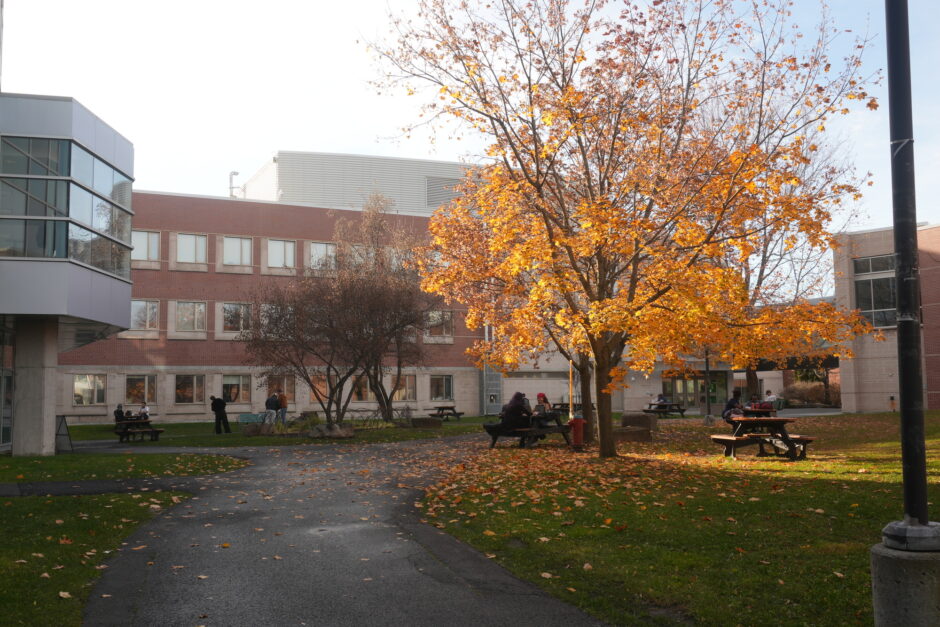
Tim O’Loan shares his experiences as an Indigenous veteran
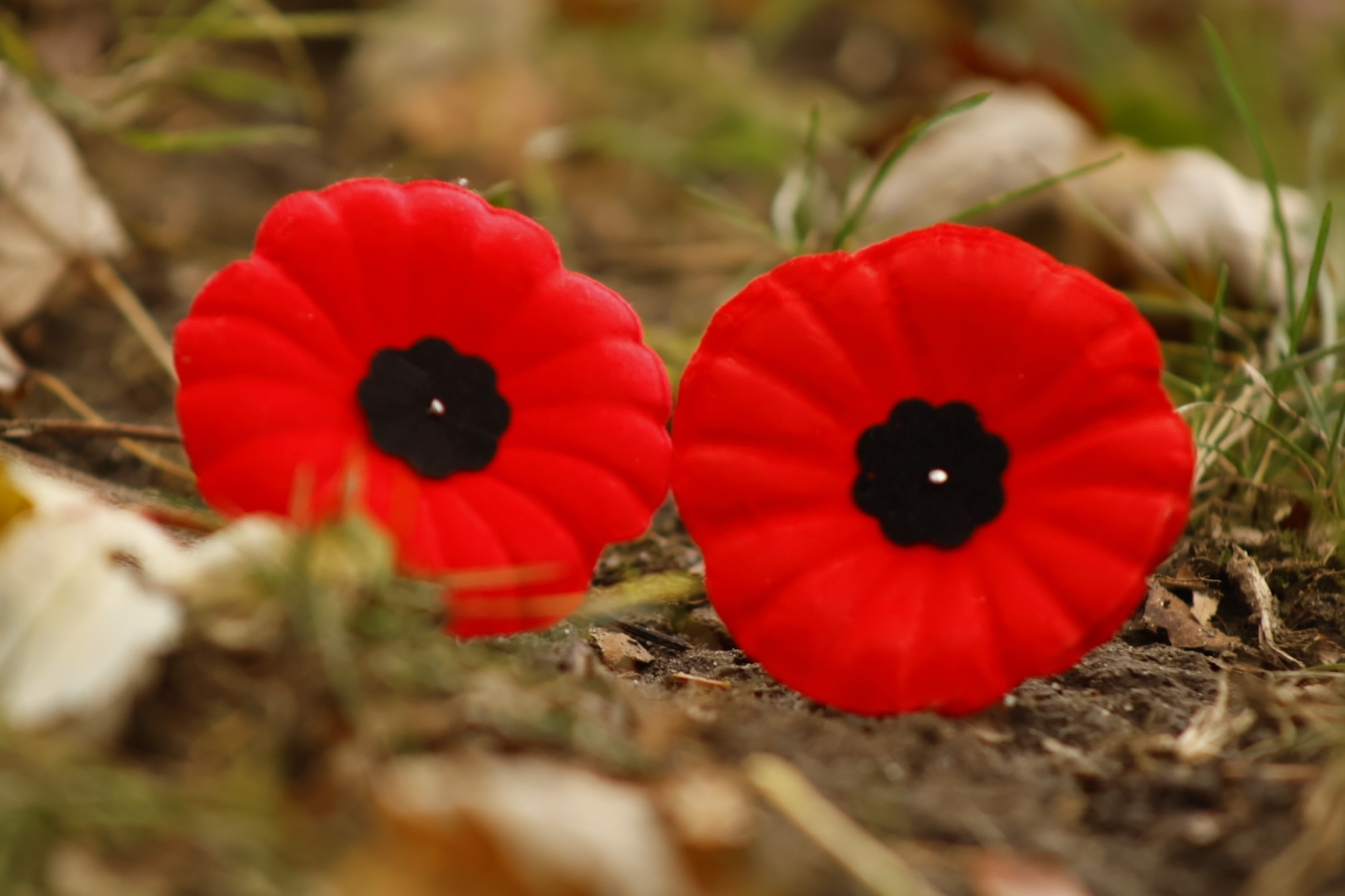
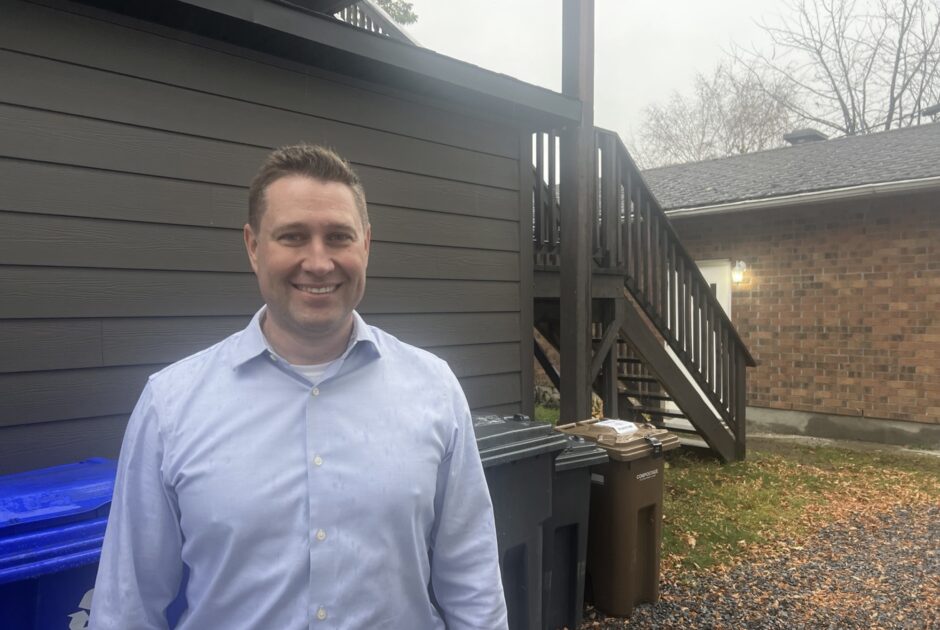
Tim O’Loan gave an eye-opening speech Monday afternoon through a Zoom presentation in a packed room of students at the Mamidosewin Centre for Indigenous Veterans Day.
O’Loan is a Sahtu Dene Indigenous veteran, Sixties Scoop survivor, reconciliation advisor and knowledge keeper who has worked with the Truth and Reconciliation Commission of Canada.
During his service from 1983 to 1993, O’Loan saw plenty of action including the Oka Crisis (Kanesatake Resistance), which was a 78-day standoff involving the Mohawk people.
“For a lot of veterans, the week prior (to Indigenous Veteran Day) can be heavy. People start processing their service, the loss of friends, brothers and sister they may have served with,” O’Loan said.
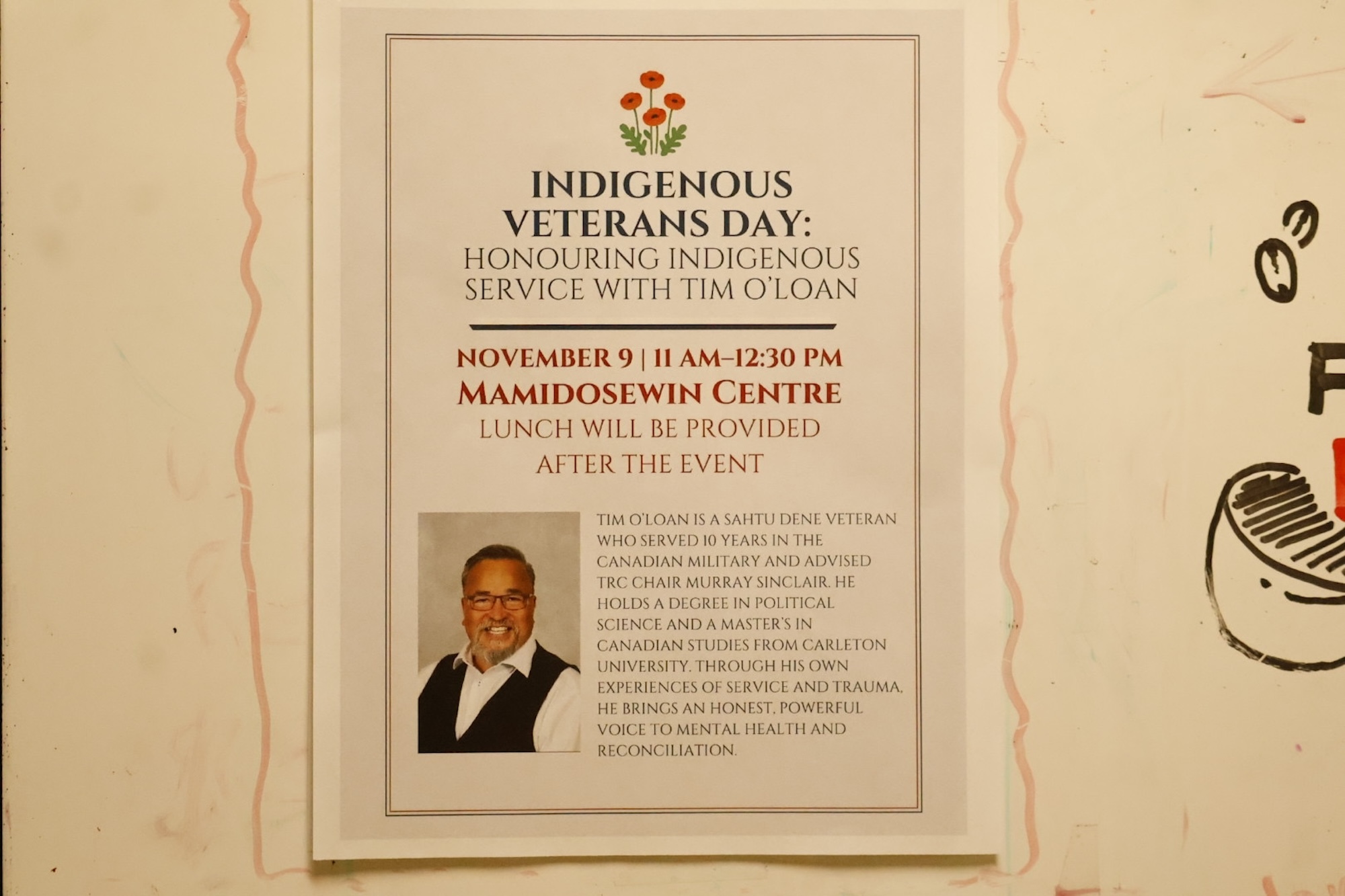
Appearing via Zoom to a room of 35 students and staff, O’Loan talked about his life growing up and how it made him into who he is today, showing a presentation he calls Healing and Resilience.
Joining the infantry division at 17, O’Loan left after 10 years of service because of the racism and discrimination he faced.
“When I think of my service, it was a tough time. I can only do 10 years. There was a lot of racism back in the day.” O’Loan said. “When I think about the 10 years, I think about the pocket of safety.”
O’Loan talked about Captain James (Jim) Patrick Decoste, his platoon warrant officer during his four-year stay in Europe, who he said was an “incredible human being.”
“Not only was I a better soldier, I was a better man,” O’Loan said after showing a picture of his late friend, who he said inspired him.
Recounting how he mourned Decoste in unhealthy ways, going to bars with his picture and ordering shots in his memory, as veterans often do for fallen brothers and sisters, he related that unique brotherhood and sisterhood to the survivors of residential schools.
“Like veterans, survivors of Indian residential schools have made some pretty sacred friendships in places like that,” O’Loan said.
While close bonds were made during deployment, many Indigenous veterans still face scrutiny, receiving pushback from wanting to create monuments to honour the and Indigenous veterans who served and people trying to stop Nov. 8 being Indigenous Veterans Day.
“They wasn’t really understanding the history of the treatment of Indigenous and particular First Nation veterans,” O’Loan said.
He said many veterans lost their status during both world wars and the Korean War and couldn’t go back to their communities. The ones who did had financial problems.
“For those who were entitled to veterans benefit, a lot of times the Indian agents in the community would take the money from them because they felt like it was too much money for an Indian to deal with. They were probably going to drink it away and in a lot of cases that money just disappeared,” O’Loan said.
“For Indigenous veterans, this is where Veterans Affairs is failing us. We need on the land or on the water culturally based healing models (ceremonies), because Indigenous veterans, we need our culture to heal.”