What will Ottawa do with all its garbage?
Ottawa is running out of room for its garbage, and the city is considering a costly solution: turning waste into energy with a new garbage facility.
But, at what cost?
Ottawa’s Trail Waste Facility is expected to reach its capacity by 2034 if current disposal habits continue. Since 2023, city staff have been studying alternatives, including a waste-to-energy facility that would burn residual garbage to generate energy.
The city’s plan says it could cost hundreds of millions, a capital cost anywhere from $400 million to $800 million, with annual operating costs of about $25 million.
For some Ottawa residents, the price tag raises questions about whether the city should pursue the idea at all.
The question is no longer where Ottawa’s garbage will go. It’s how much the city is willing to spend to make the garbage problem smaller, and what environmental trade-offs come with it.
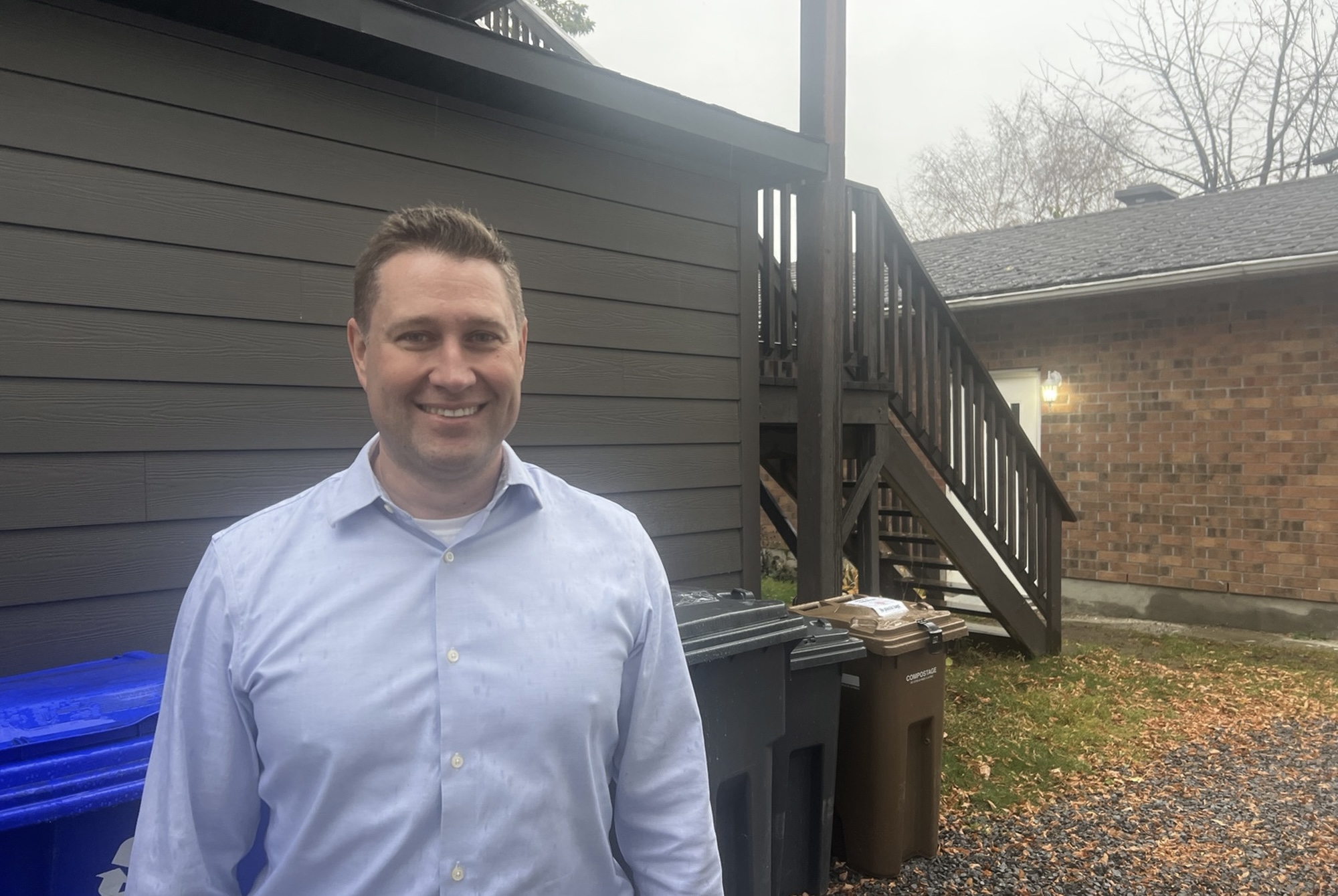
Todd Sherman, a local resident, said the city also needs to consider what happens to the waste that cannot be recycled or composted.
“We’re always going to have garbage,” he said. “What starts to matter is what we do with it. Burying everything forever doesn’t seem like a solution either.”
But Ottawa has tried waste-to-energy technology before.
More than a century ago, the city operated an incinerator in the Lees Avenue area. The facility began operating in 1912 and was designed to burn household garbage and other waste. It was closed around 1917 after the city determined that dumping and burying waste was cheaper than burning it.
A more recent attempt was Plasco, a waste-to-energy company that operated a demonstration facility near the Trail Road landfill from 2006 to 2014.
Carol Sherman, Todd’s grandmother who also lives in Ottawa, said “If there’s already been an incinerator here and we’ve spent money trying to make this work, why can’t we use that instead of spending all this money?”
The demonstration facility, which attempted to generate electricity from waste, planned to move ahead with a larger facility, but Plasco missed deadlines to secure financing and filed for creditor protection in 2015.
For Mark Newburgh, the environmental impact is another concern.
“It’s easy to say you’re turning garbage into energy, but the garbage doesn’t just disappear,” Newburgh said. “You still have to deal with what’s left behind.”
The city is also considering other options, including continuing to use private waste facilities or building a new landfill. Earlier this year, the city purchased landfill land on Boundary Road for $95 million.
“I think we’re jumping to the biggest solution before looking at smaller ones. If people knew exactly what belongs in the recycling and green bins, and actually did it, we’d already be keeping a lot of garbage out of the landfill,” Newburgh said.
Newburgh also suggested the city could invest in better recycling infrastructure.
“Why not collect rainwater and use it where you can? Why not build a recycling system that’s designed to waste as little as possible?” Newburgh said.
Ottawa’s most recent waste audit found that 58 percent of household waste currently sent to landfill belongs in the blue, black or green bins.
Ottawa is expected to keep examining its options before deciding on its long-term waste-management system. The city has launched a public consultation on the future of waste.